TU Duu-chih Hosts First Sound Design Masterclass in Hong Kong!

Industry professionals and film enthusiasts gathered for an in-depth discussion with the sound maestro, gaining valuable insights into the art of film sound creation.
2025년04월14일

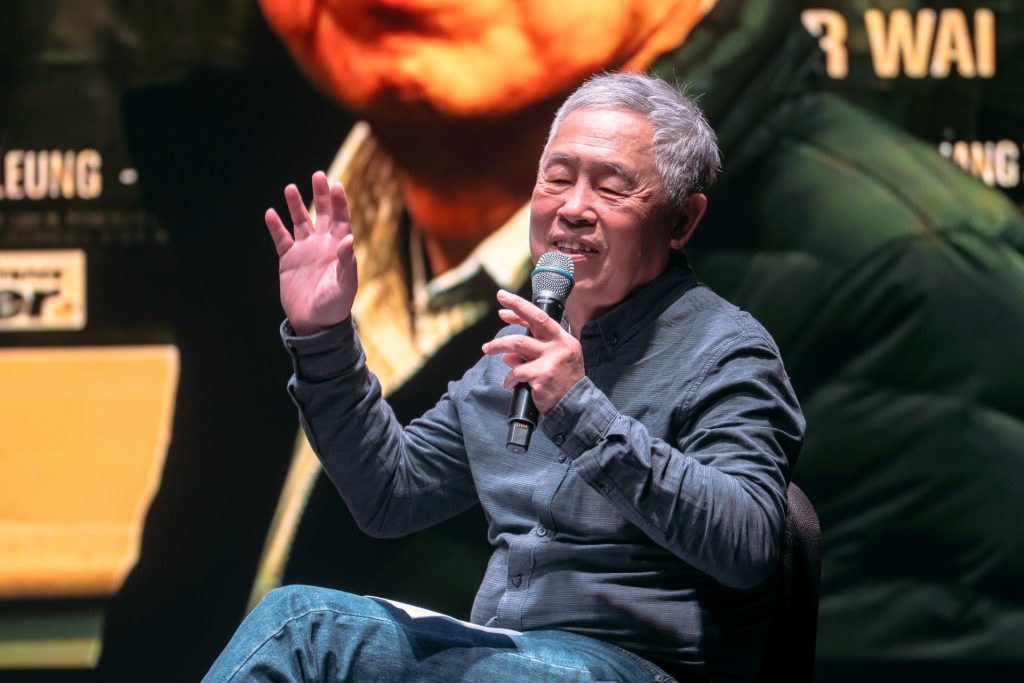
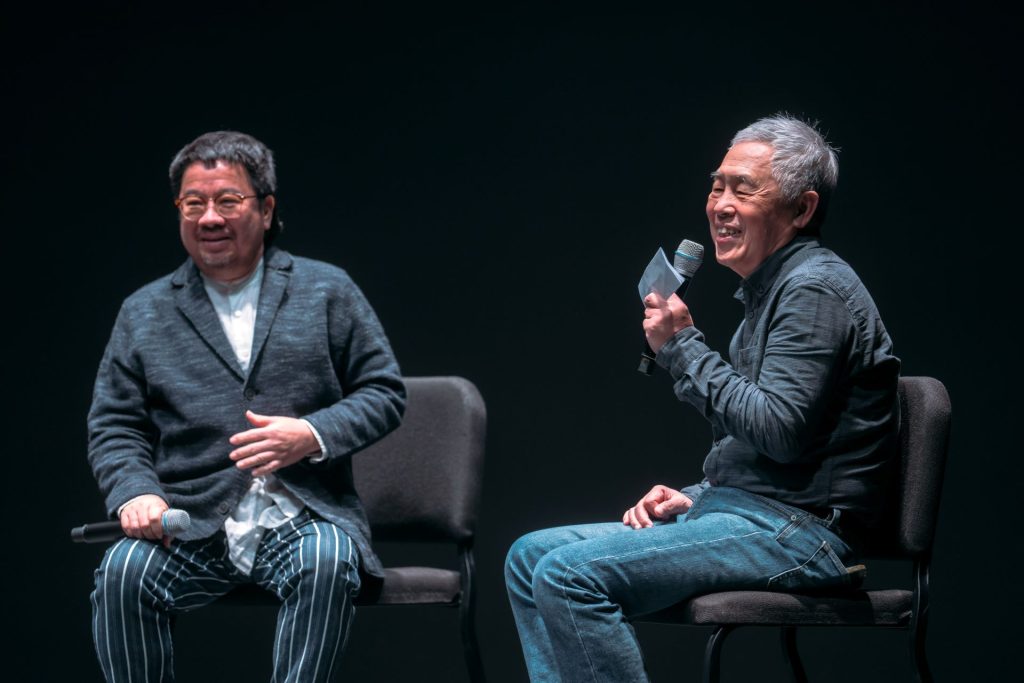
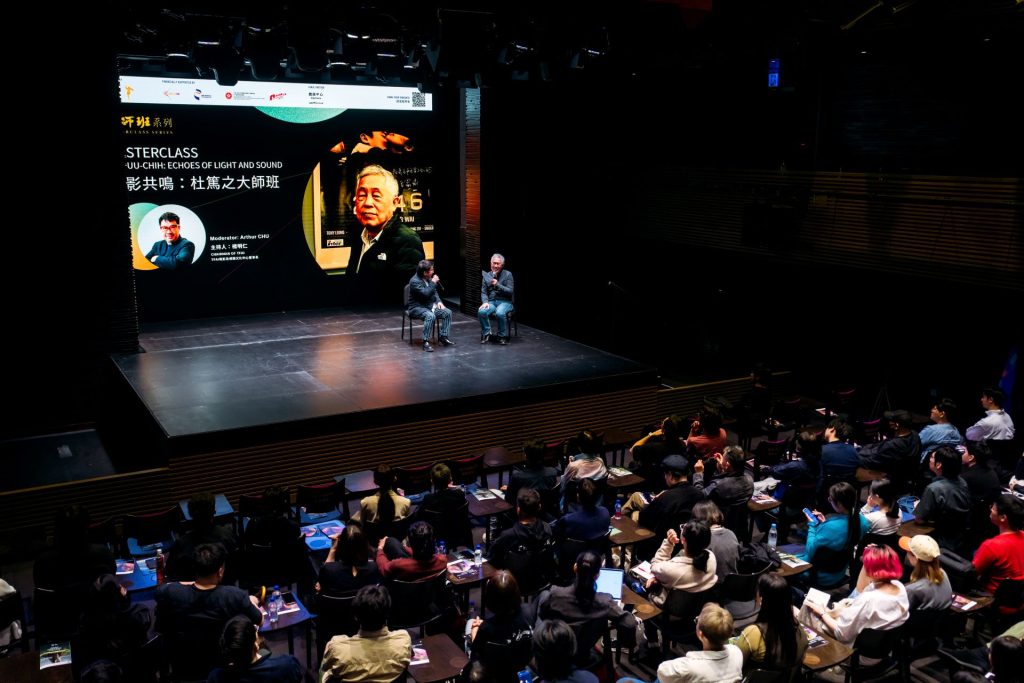
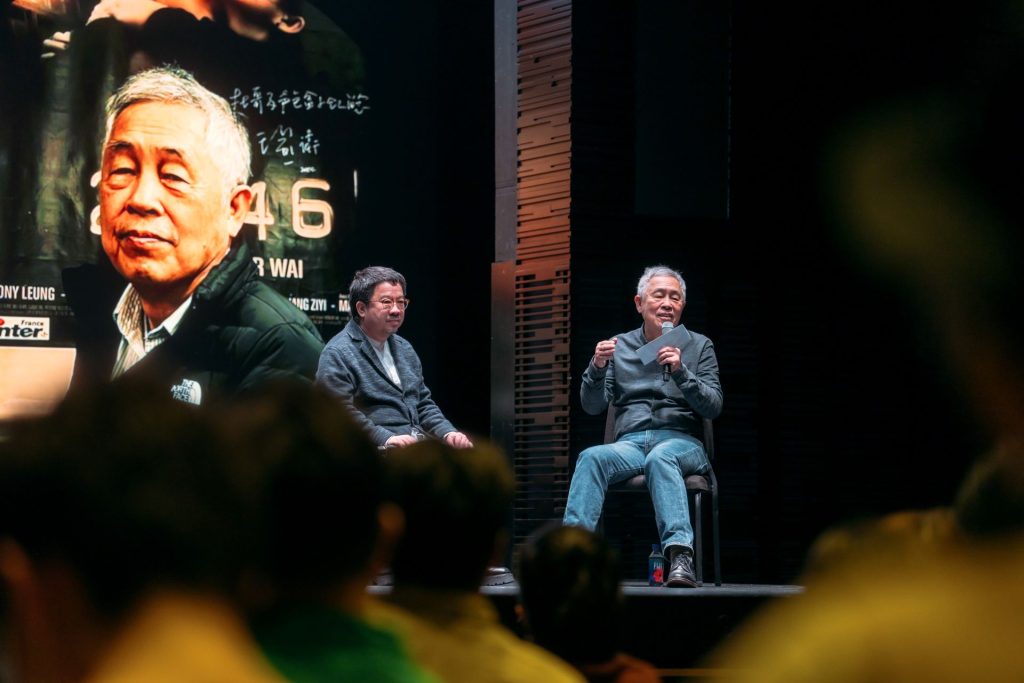
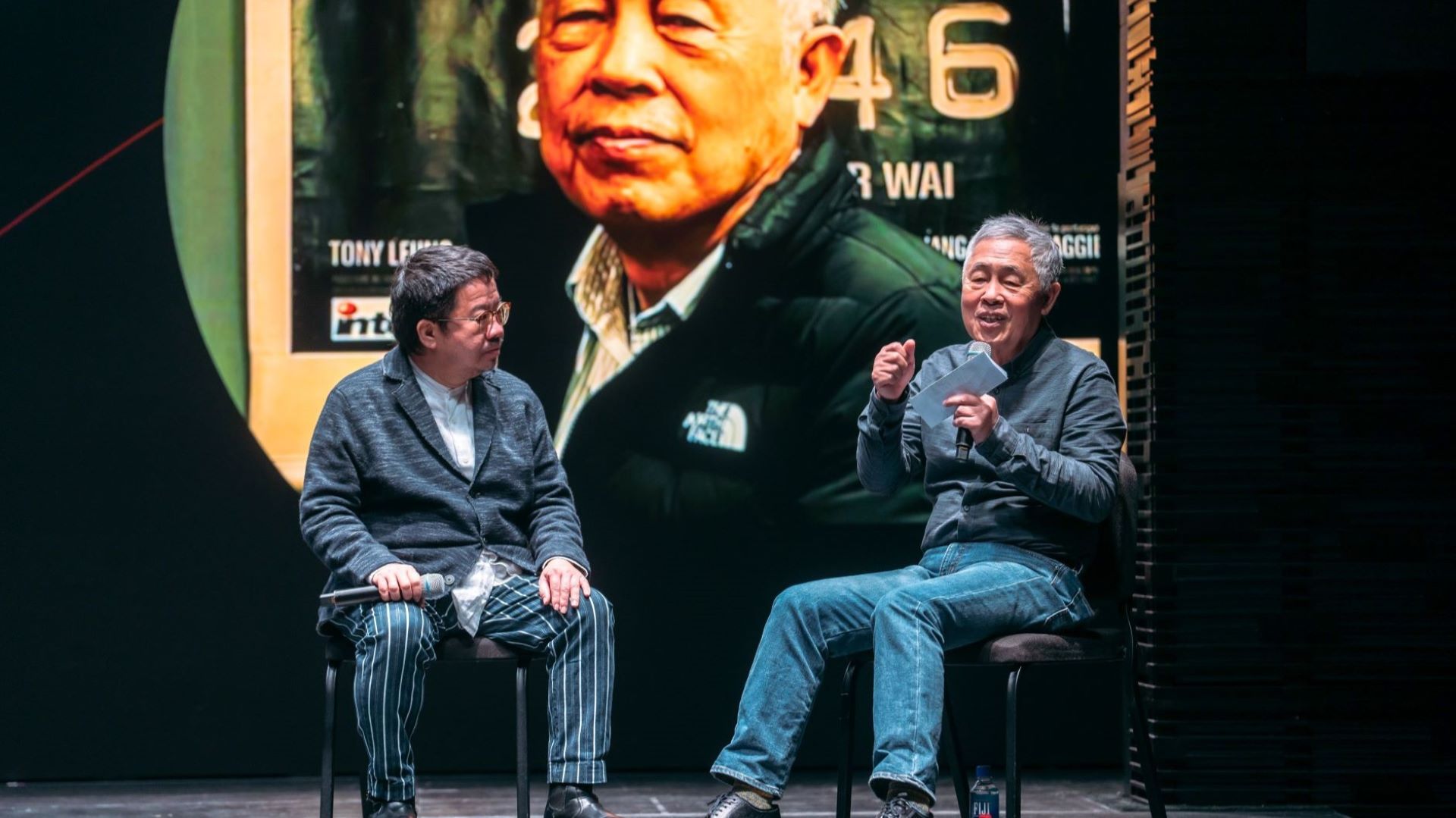
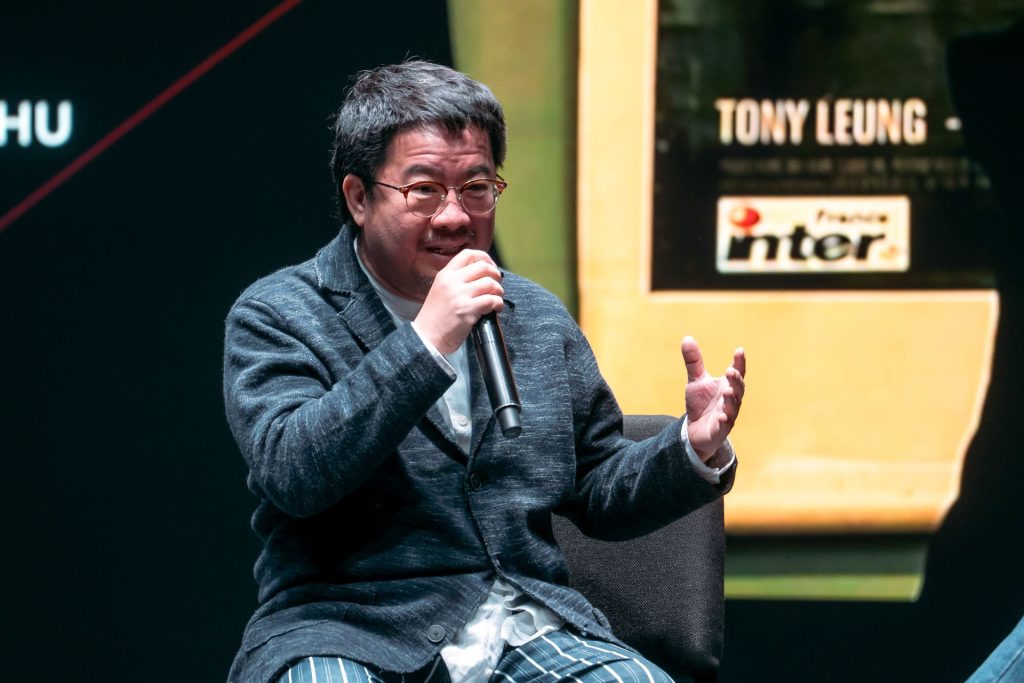
Ahead of the 18th Asian Film Awards, Cannes Technical Grand Prize winner, Taiwanese sound design maestro TU Duu-chih hosted his first masterclass in Hong Kong. The masterclass series was organised by the Asian Film Awards Academy and supported by the Cultural and Creative Industries Development Agency and the Film Development Fund, with Taiwan Film and Audiovisual Institute (TFAI) Chairman Arthur CHU moderating. The event attracted prominent figures from the film industry, including renowned Hong Kong art director MAN Lim Chung, acclaimed director Ann HUI, and actor LEE Kang-Sheng, as well as a diverse audience of film enthusiasts and professionals. TU, a key figure in Chinese-language film sound, has been nominated six times for the Asian Film Awards, winning three times. This year, he claimed the Best Sound Award for Stranger Eyes. He has also earned 44 nominations and 13 Best Sound Awards at the Golden Horse Awards, cementing his influence in the field.

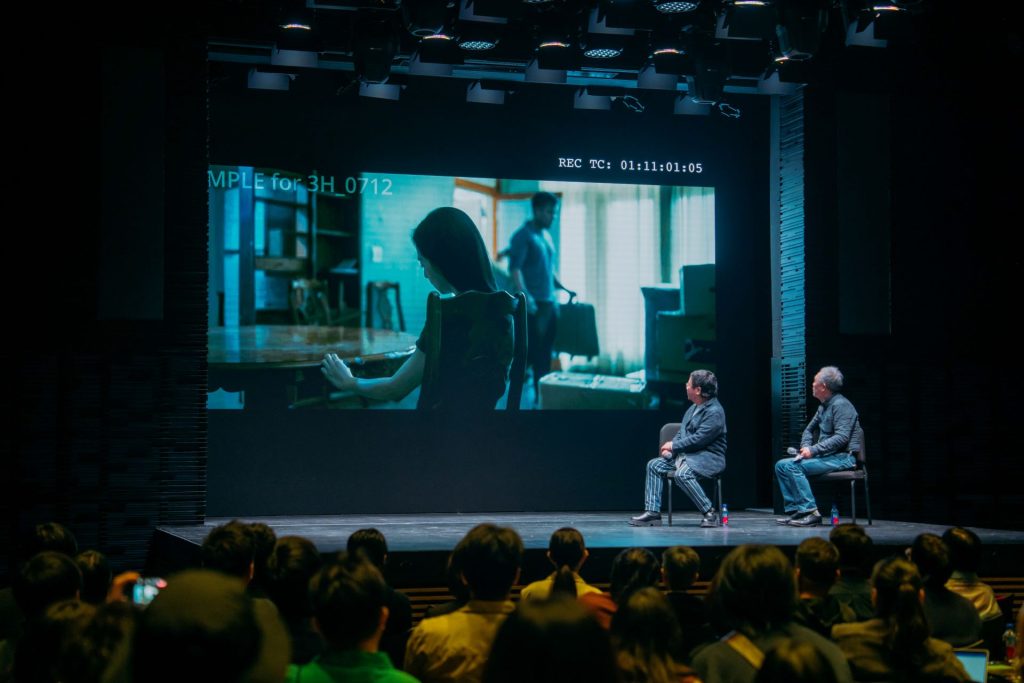
During the masterclass, TU reflected on his work for several iconic films, showcasing clips from The Great Buddha+, Stranger Eyes, and Old Fox. He demonstrated how audio design elevates a film’s emotional depth. TU highlighted that sound is far more than just background noise; it plays a crucial role in revealing a character’s inner world, shaping the atmosphere, and propelling the narrative forward.


Building on his experience, TU shared specific moments when technical challenges shaped his creative process. For instance, discussing The Great Buddha+, TU recalled a pivotal scene set in a car wash. “The scene takes place in a very ordinary car wash, with only one person there. Suddenly, an unexpected guest arrives—the one person he least wants to see.” The initial knocking sound lacked impact, so TU’s team replaced the door with a metal one that made a louder, more menacing clang.


As he fine-tuned the sound, TU added more elements for increased realism. “That change wasn’t enough. We needed additional effects.” He incorporated the sound of a large exhaust fan, typical of car washes, along with deep bass. These additions not only intensified the atmosphere but also subtly created psychological pressure for the audience. TU explained that low-frequency sounds help viewers connect with a character’s emotional turmoil, deepening the tension of the scene.

TU also touched on the sensitivity of human hearing, saying, “Humans have an incredibly keen sense of hearing, allowing us to discern speed, weight, and even the size of objects based on sound.” He elaborated, “Even if we don’t visually recognise something, once we hear its sound, we can immediately identify it and sense its physical characteristics.”


When working on the sound design for The Great Buddha+, TU faced a unique challenge with the Buddha statue. “It was nearly impossible to find an actual Buddha statue to record the sound, so we used a gasoline drum to simulate the effect. By striking it and slowing the recording, we replicated the deep, heavy resonance of a Buddha statue.”

TU also shared insights from his award-winning film Stranger Eyes, which earned him the Best Sound Award at the 18th Asian Film Awards. He recounted a key scene in which the protagonist reflects on the day his daughter went missing. “As the character reflects on the events surrounding his daughter’s disappearance, we follow his narration into the memory. The process is cinematic, with sound enhancing the emotional layers between close-ups and wide shots, drawing the audience into the character’s inner world.”


He continued, “During the mixing, we realised that when on-set sounds lasted longer than expected, we gradually removed them to align with the close-up. This allowed the audience to immerse themselves in the character’s imagination, gaining a deeper understanding of his mental state.” TU emphasised, “This sound adjustment not only enriched the actor’s performance but also made the scene more dynamic. The shift in the character’s mental state became clear, making the performance far deeper than it would have been without the sound changes.”

Turning to modern recording technology, TU explained that these tools “serve me, making it easier to realise my creative vision.” However, he stressed that creativity remains paramount. “No matter how advanced the technology, what matters is having the creativity to use it,” TU said. These tools exist to enhance the film’s emotional resonance. For instance, in a forest park dialogue scene, TU shared how noise reduction cleared overwhelming background sound, and the addition of wind and rustling leaves helped match the scene’s tone. He also discussed the value of spatial simulation tools, which improve sound quality but emphasised that staying current with new technology is crucial. “If you don’t embrace these tools, you risk falling behind,” he warned. TU remains committed to evolving, adding, “I’m always seeking new tools and knowledge to stay ahead in my craft.”


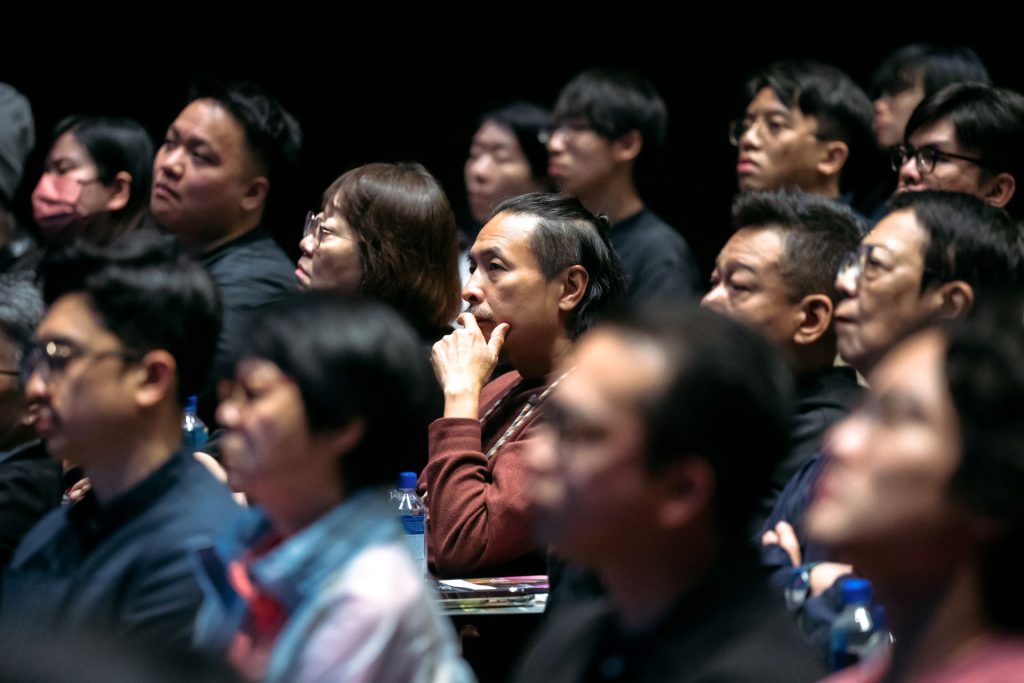
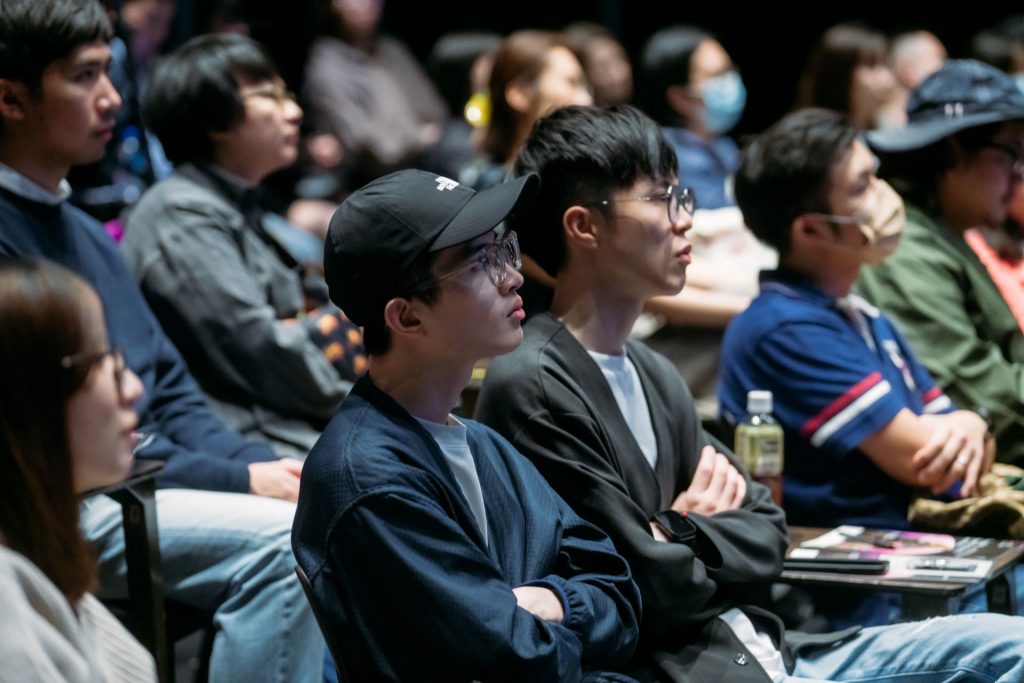
The masterclass drew a diverse audience of film and sound design professionals, offering them a rare opportunity to gain insight into TU’s creative process and sound design philosophy.


Please contact us if any questions,
Email: info@afa-academy.com
Tel: +852 3195 0609
Website: www.afa-academy.com

최신 뉴스
Together We Dare to Reimagine: Sparking New Perspectives in Singapore The Hong Kong Film Gala Presentation wraps up in Singapore, from heartfelt post-screening conversations and industry networking to cutting-edge tech tour, with connections growing beyond the cinema
Another World Creators Visit Top Singapore Arts College: A Seven-Year Visual Odyssey of the Soul 2025 Touring Showcase Concludes in Singapore: HK and Singapore Filmmakers Deepen Cultural Dialogue Across Campuses and Cinemas
From Cinema to Campus: Hong Kong Filmmakers in Close Dialogue with Phnom Penh Audiences The Hong Kong Film Gala Presentation concluded successfully in Phnom Penh, with directors Jonathan Li, Chou Man Yu, and actress Renci Yeung, visiting cinema and campuses to share their experiences.
IFC 2024-funded short Catching Alternative selected for competition at Chile’s FIXION Fest and shortlisted in HiShorts! Narrative Competition (Top 70) Director CHEN Yun’s folk-inspired genre storytelling expands its festival footprint, reaffirming IFC’s mission to support emerging filmmakers
A Series of Post-Screening Q&As in Yogyakarta Highlights Dialogue Across Generations of Hong Kong Filmmakers Ann Hui and Man Lim Chung join emerging Hong Kong filmmakers in sharing their creative journeys with Indonesian audiences
Hong Kong Film Gala Presentation Arrives in Yogyakarta: How Can Cinema Connect the World? Filmmakers across Asia gather at “Hong Kong Night” and the JAFF Market, Ann Hui and Robin Lee engage with the media to reflect on creation, perseverance, and the many faces of Hong Kong
Community Forum: Entertainment and Social Realism Coexist in Contemporary Hong Kong Cinema Four Hong Kong Filmmakers Share the Golden Era and Future Outlook of Hong Kong Cinema with Local Students and Cinematheque in Yogyakarta
Ann Hui Masterclass: “If You Only Want to Make Money, Don’t Be a Director” Hong Kong Film Gala Presentation Returns to Yogyakarta, Showcasing the Legacy and Innovation of Hong Kong Cinema
Ride Your Horse from IFC 2024 selected for Clermont-Ferrand’s International Competition A major milestone that brings the film into the world’s most influential short-film festival — with eligibility for the Oscars, César Awards and European Film Awards
Journey to the Fest: Student Visit to the 38th Tokyo International Film Festival The Journey to the Fest programme took students to Tokyo, Japan, where they participated in post-film talks, industry panels, and networking events, connecting with filmmakers from around the world

web design by HKWEB