Asian Cinerama Connects Filmmakers and Audiences
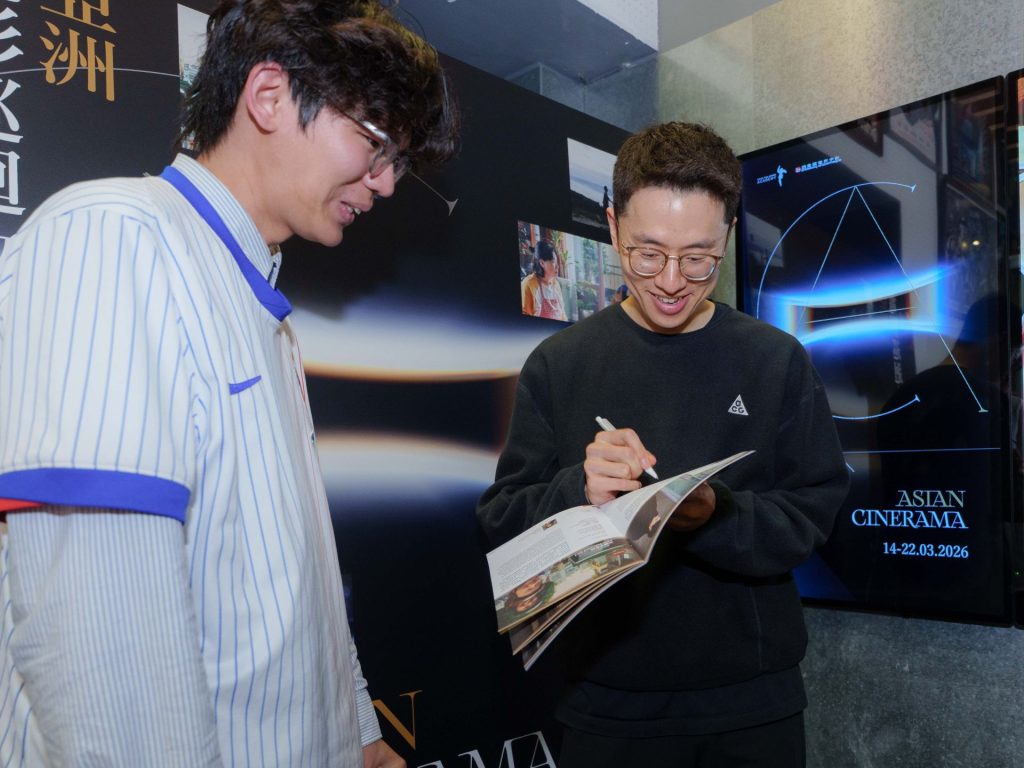
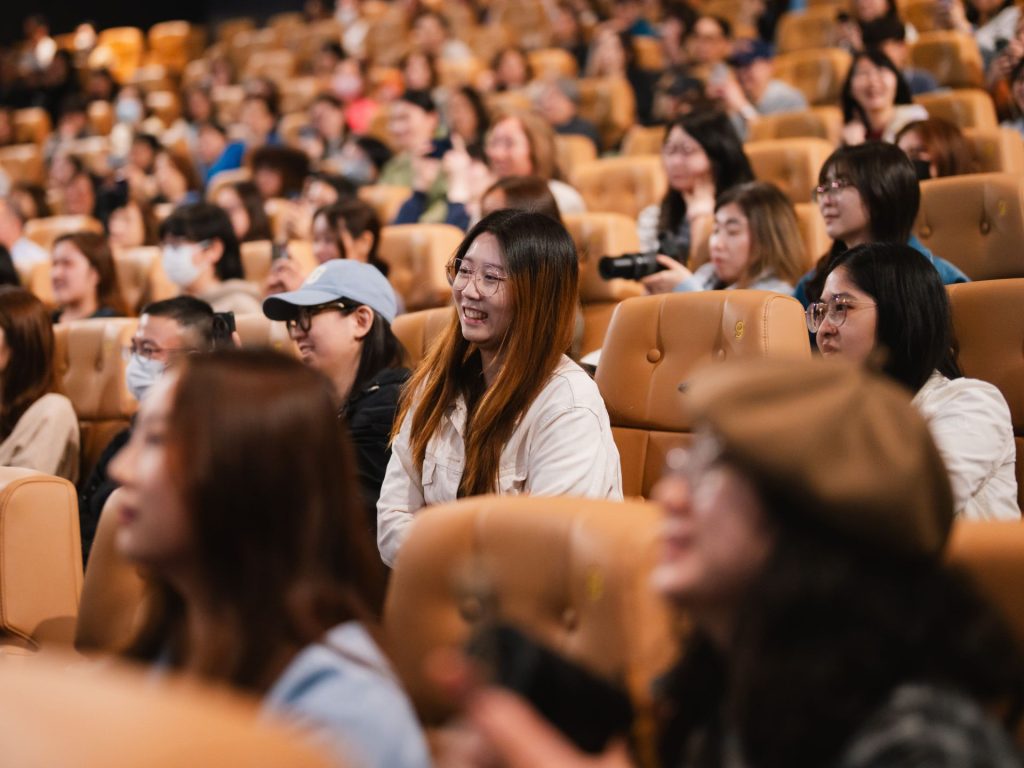
The programme featured 11 Asian titles across four categories—A Multiverse of Black Comedy, Emotional Landscapes, Emerging Perspectives, and Across the Eras—inviting audiences to share unforgettable cinematic moments. Over the week-long event, nearly all screenings were in full house, with lively audience engagement throughout.Organized by the Asian Film Awards Academy, supported by the Cultural and Creative Industries Development Agency and the Film Development Fund, the 19th Asian Film Awards Featured Programme successfully concluded from 14 to 22 March. Asian Cinerama with 11 screenings received enthusiastic responses, bringing together film lovers, industry professionals, and students from Hong Kong and abroad, creating a vibrant and engaging atmosphere.
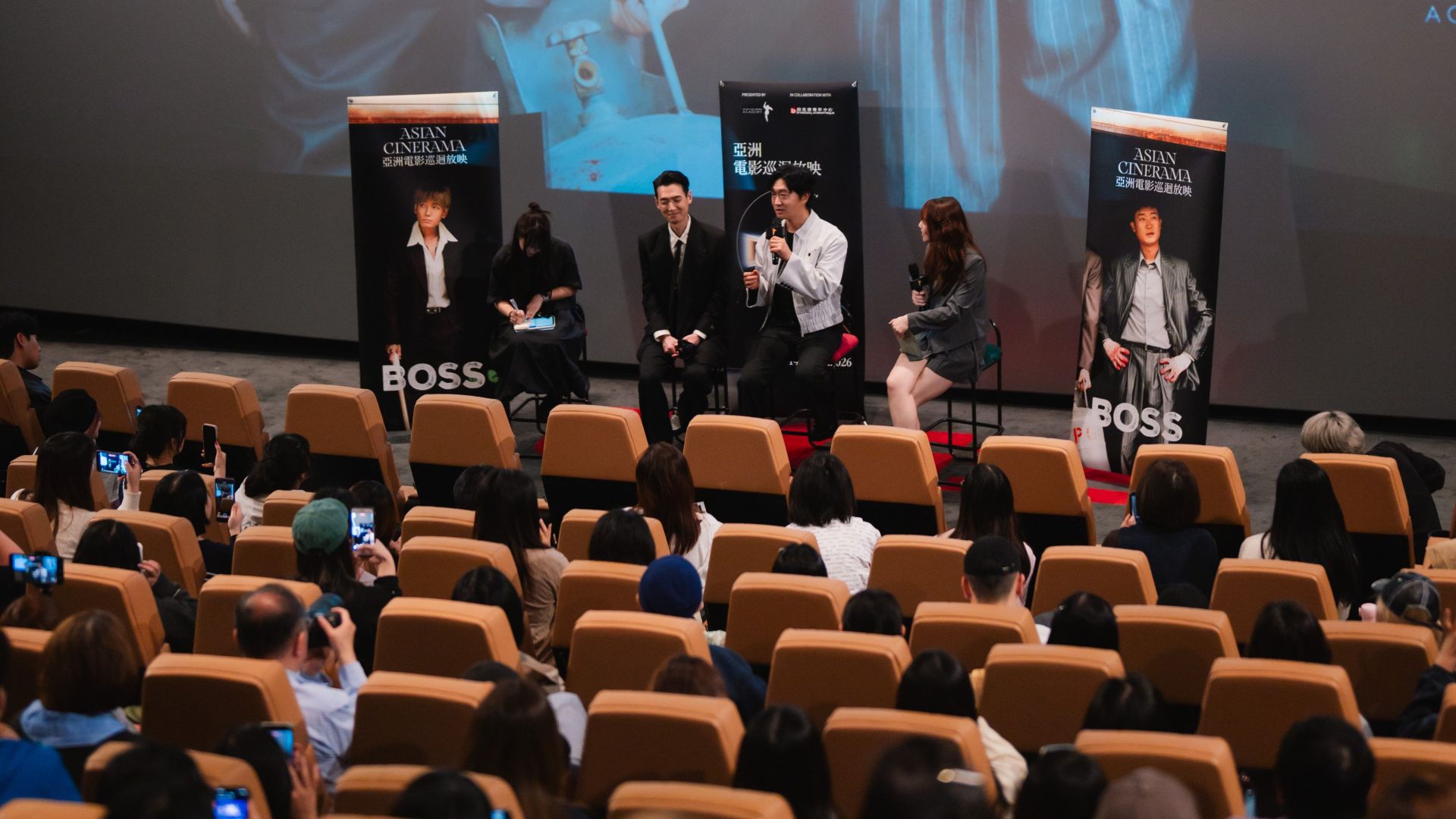
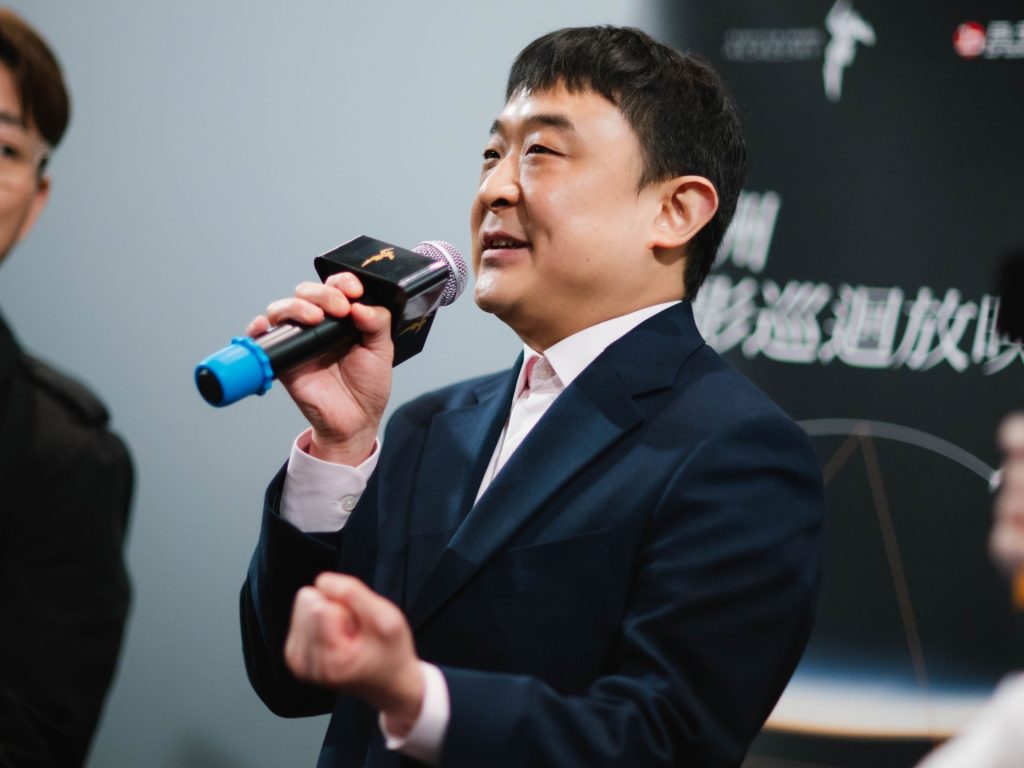
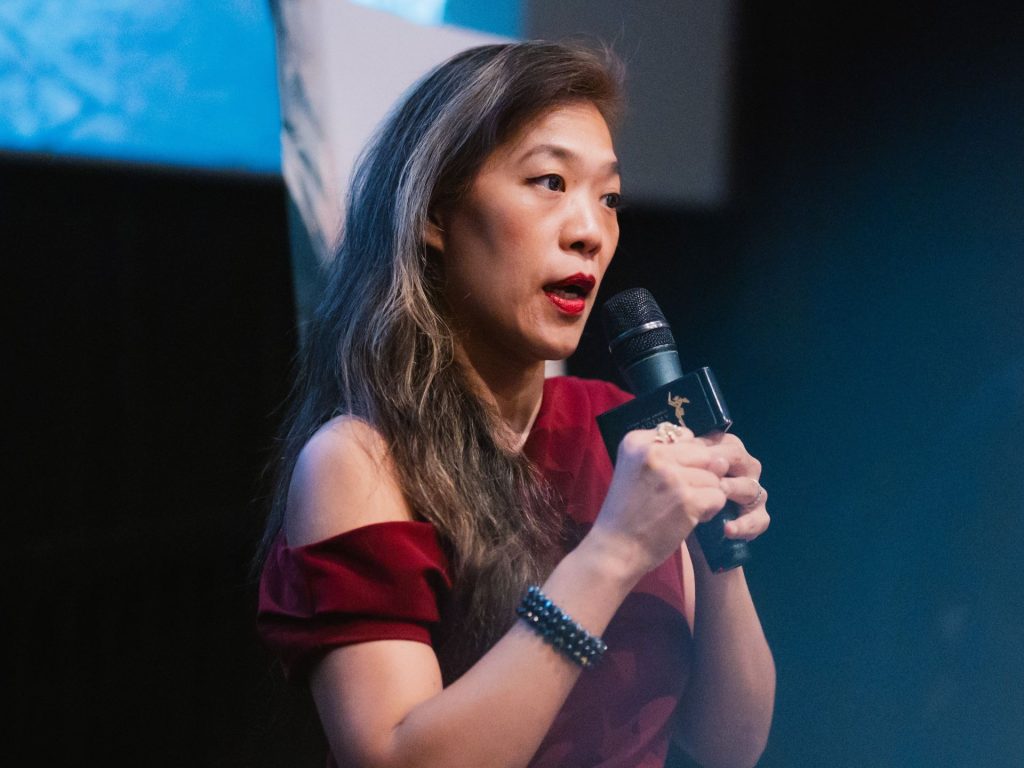
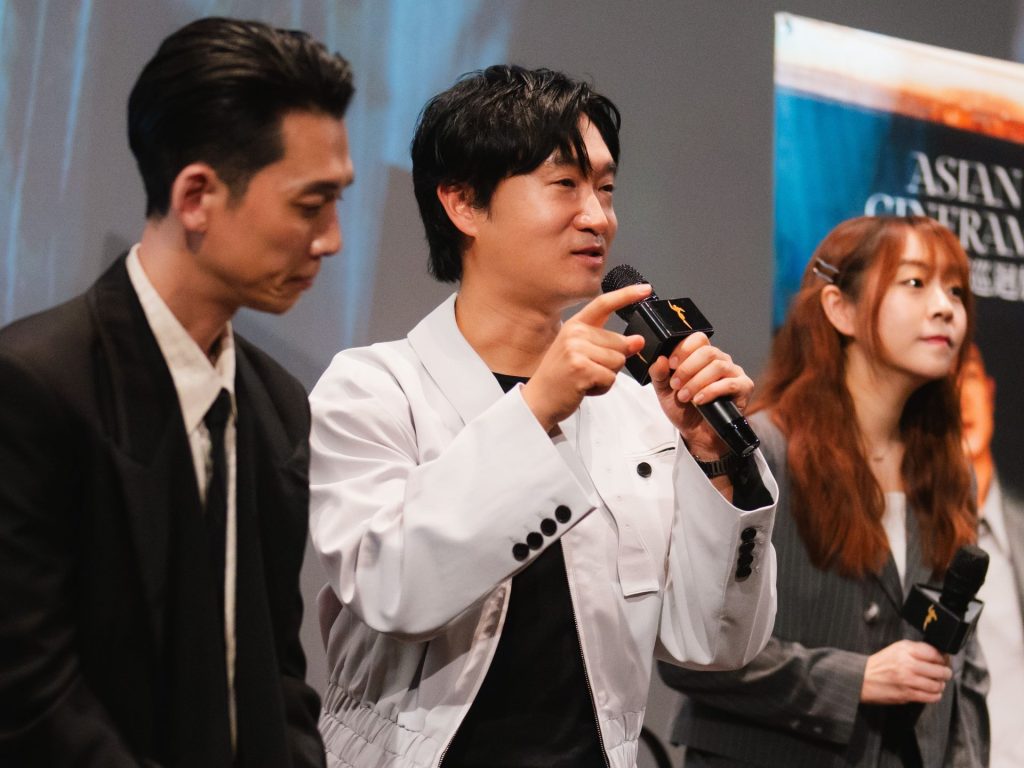
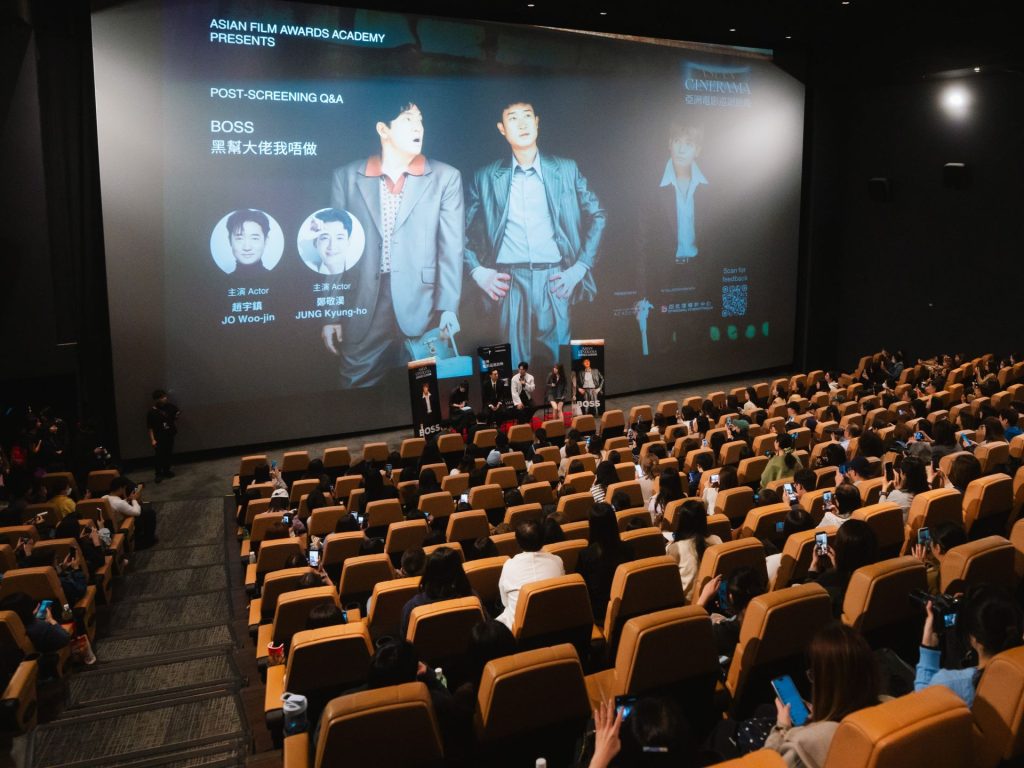
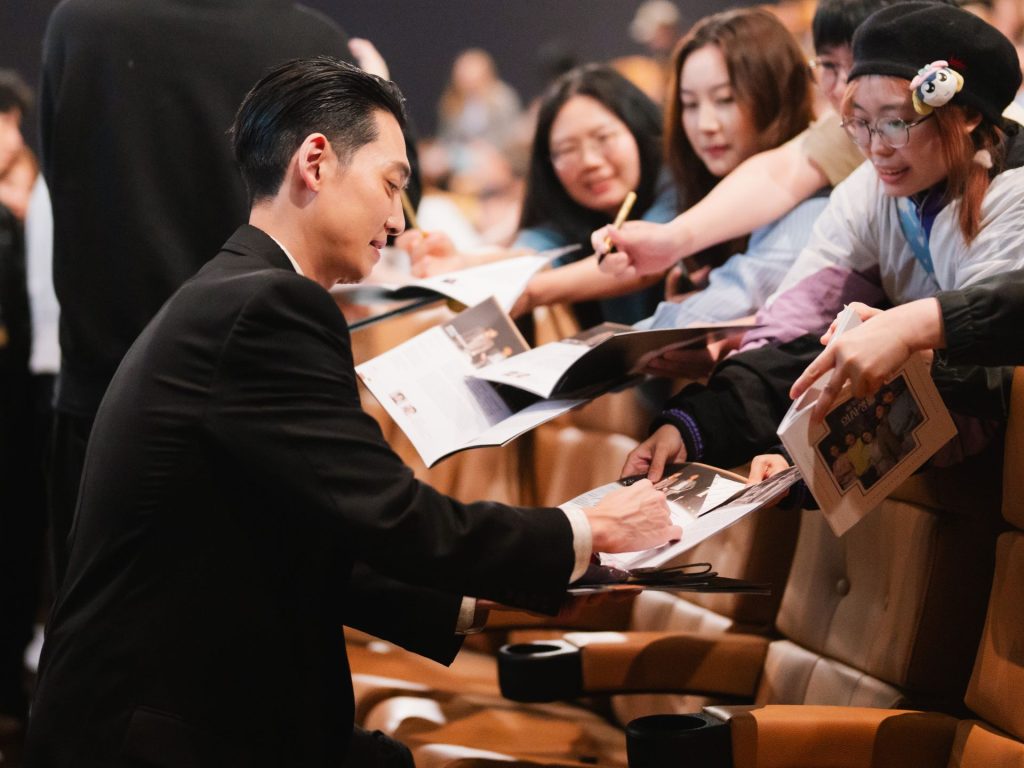
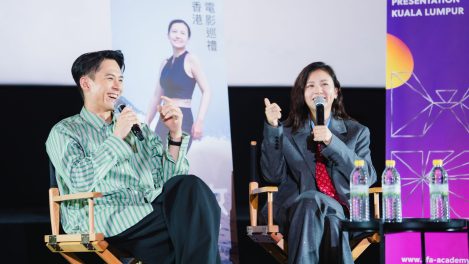
Co-presented with Broadway Cinematheque, with the theme as “Us, in Cinema,” this year’s Asian Cinerama featured 8 Hong Kong premieres and a special 4K restoration screening. Seven post-screening sessions welcomed filmmakers and actors to share insights and engaged with the audience in person. Korean actors JUNG Kyung-ho and JO Woo-jin attended the post-screening Q&A of BOSS, which is adapted from the Hong Kong film Once a Gangster. JO noted the influence of classic Hong Kong cinema, particularly Miracles, “I’ve watched many Jackie Chan films and tried to incorporate their dynamic action elements into my performance.”
“Us, in Cinema”: Asian Cinerama Brings Filmmakers to Hong Kong
The programme featured 11 Asian titles across four categories—A Multiverse of Black Comedy, Emotional Landscapes, Emerging Perspectives, and Across the Eras—inviting audiences to share unforgettable cinematic moments. Over the week-long event, nearly all screenings were in full house, with lively audience engagement throughout.
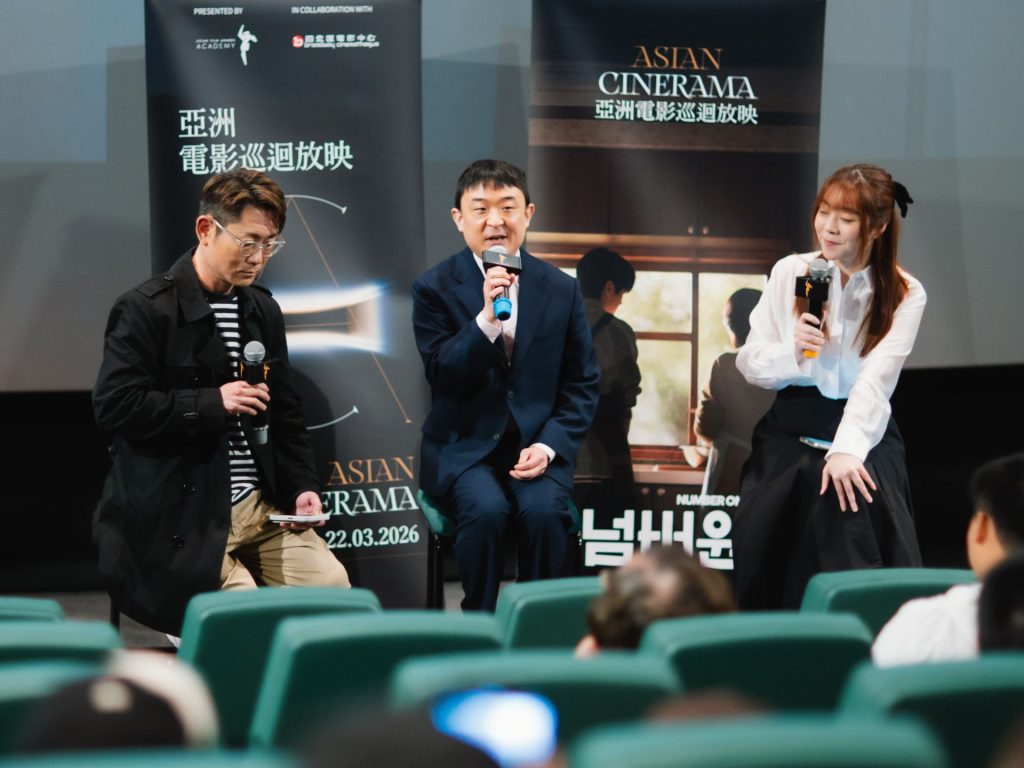
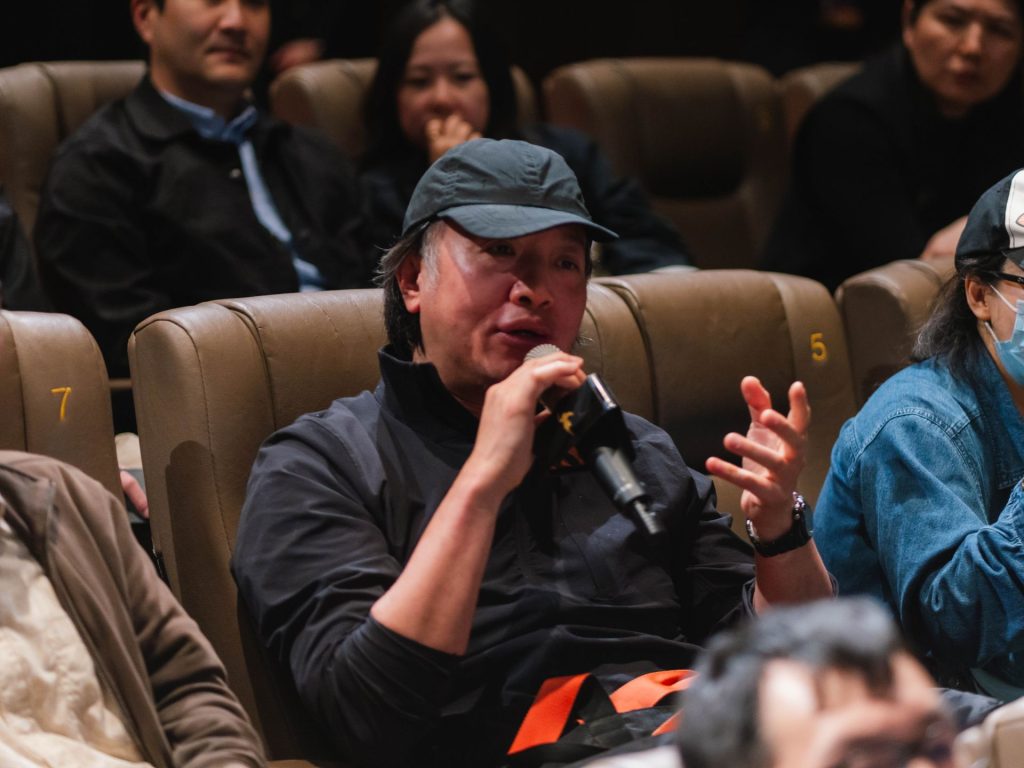
Opening the series was NUMBER ONE, with director KIM Tae-yong in attendance. Speaking about the motherson relationship in the film, he remarked, “This is actually a film for my mum.” He revealed that a scene in which the son calls his mother by her full name was an improvisation by actor CHOI Woo-shik, which resonated strongly with audiences. KIM also noted the difference in audience reactions, observing that Hong Kong viewers were more expressive, with frequent laughter adding to his delight.
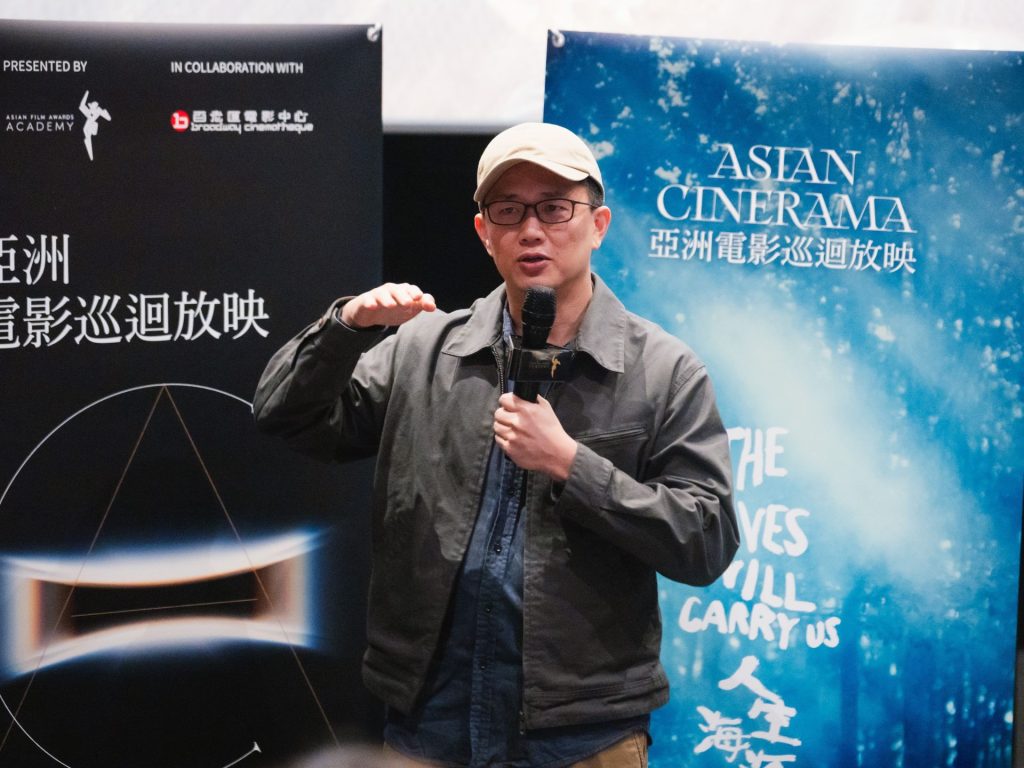
The Waves Will Carry Us appears to follow an absurd journey to reclaim a father’s body, but beneath it lies a profound exploration of religion, identity, history, and trauma. The film follows the journey of the protagonist trying to “steal back” his father’s body, yet director LAU Kek-Huat joked, “I don’t think they were ever that serious about getting the body back.” He described that it was more about rediscovering memories tied to the father. Despite its Malaysian setting, the film struck a deep chord with Hong Kong audiences, sparking lively post-screening discussions.
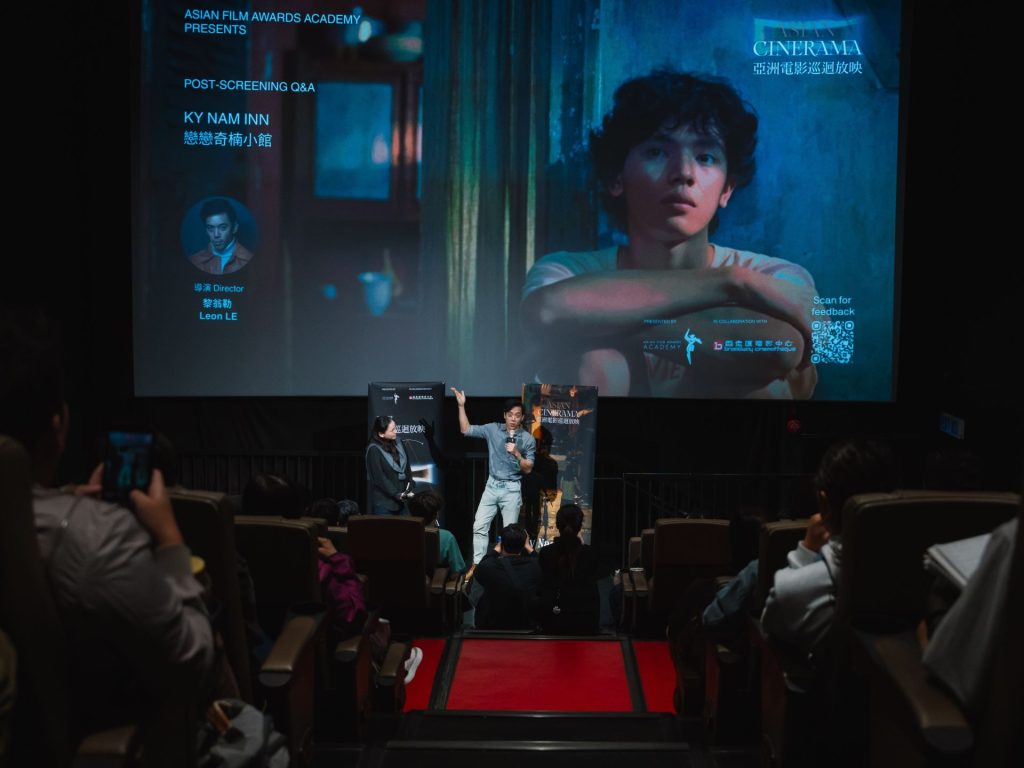
The film Ky Nam Inn, which examines collective social trauma of the Vietnamese society, was presented with director Leon LE joining the post-screening talk. The film was shot entirely on 35mm, Leon shared, “Film has a soul and a personality. It’s not just the texture or the grain. You can feel the love and dedication behind the work.” He also revealed that the birthday party dance scene was inspired by a childhood memory. Balancing historical context and censorship challenges during production added further complexity to the filmmaking process.
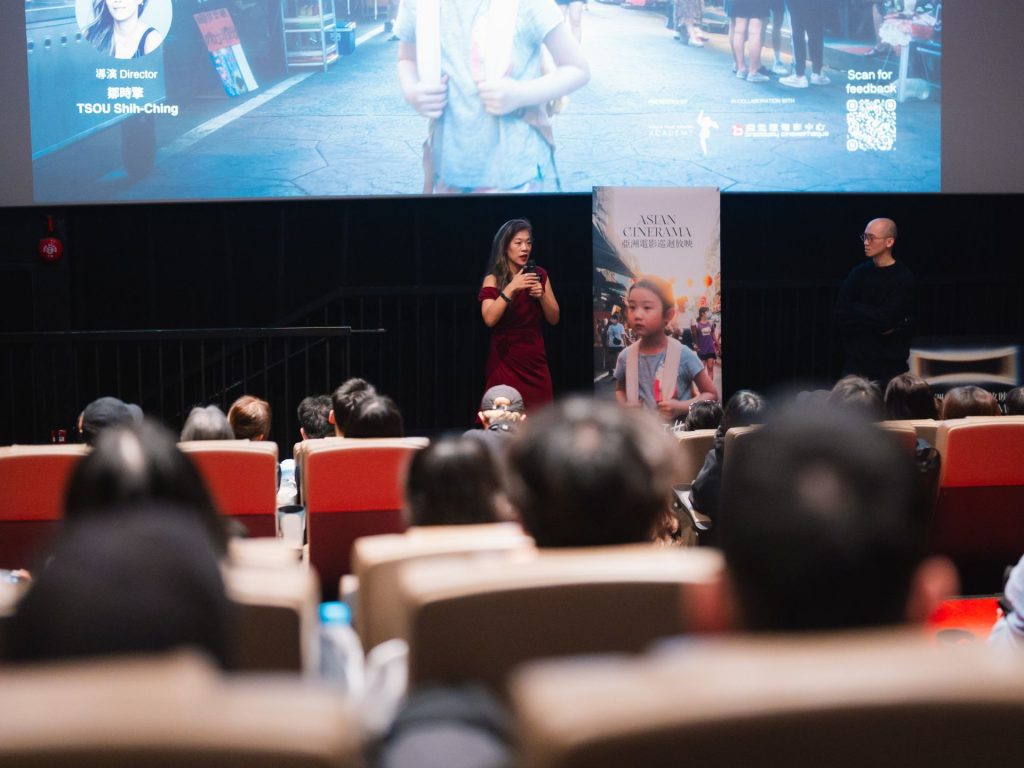
Set against the backdrop of a real Taiwanese night market, Left-Handed Girl explores the experiences of women growing up in a traditional society. Director TSOU Shih-Ching shared that the film took ten years to develop, during which she observed that “these traditions and the struggles faced by women have remained unchanged.” To enhance authenticity, she avoided rehearsals and deliberately limited interaction between actors to heighten tension. Originally seeking non-professional actors, she ultimately cast a young performer with years of commercial acting experience, whose improvisational ability brought depth to the role.
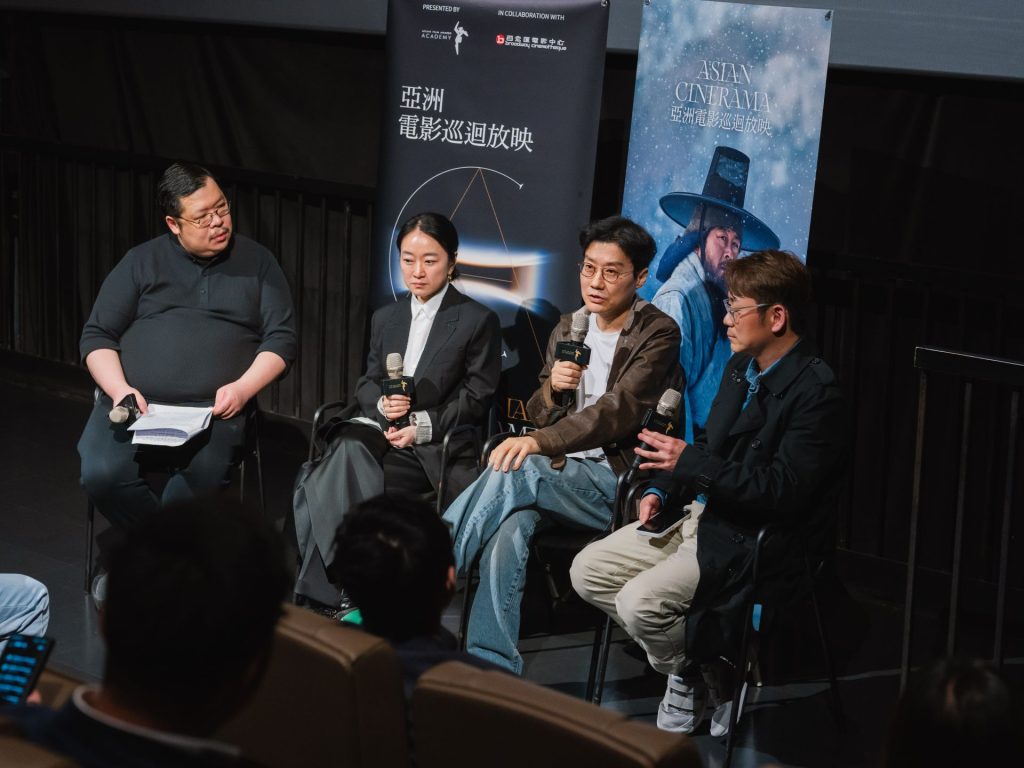
Another highlight, director HWANG Dong-hyuk and producer KIM Ji-yeon of The Fortress attended the post-screening sharing. Known globally for Squid Game, HWANG said revisiting this earlier work with audiences was especially meaningful. KIM admitted initial concerns about the film’s heavy themes but believed in its ability to provoke reflection. HWANG added that although the story is set 400 years ago, its themes remain relevant, inviting audiences to reflect on survival amid geopolitical tensions.
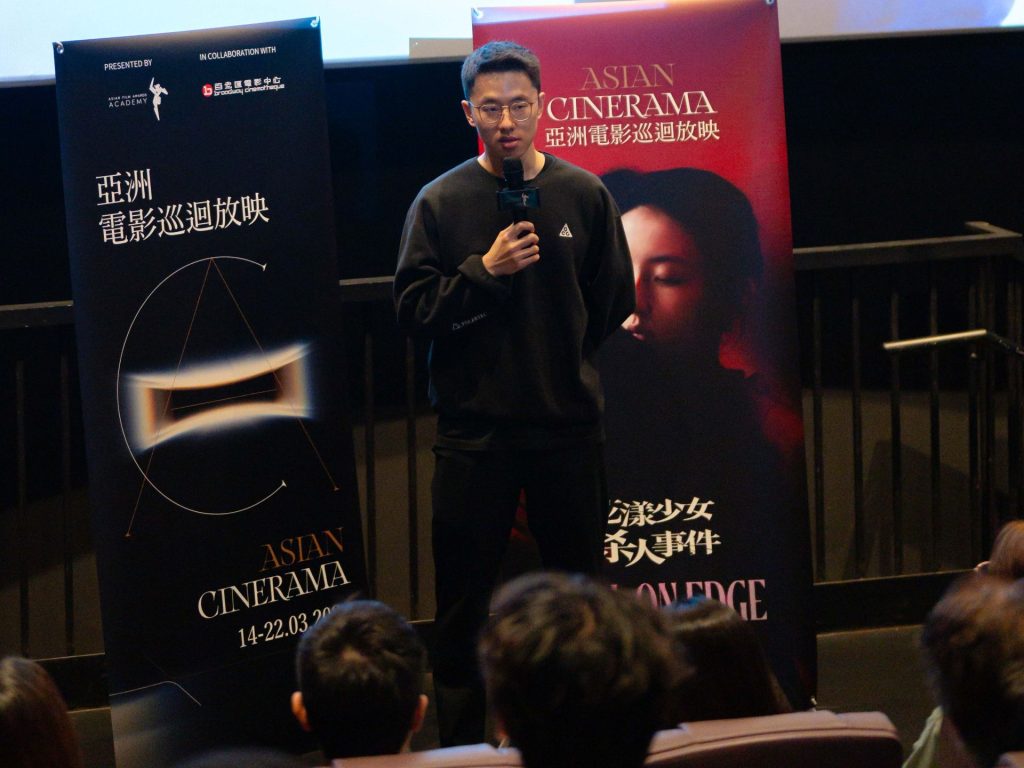
Director ZHOU Jinghao also attended with his debut feature Girl on Edge. Reflecting on the film’s themes, he said, “In the end, one may have to coexist with their own contradictions. Not everything leads to a perfect outcome, but making it through is already an achievement.” He added that the joy of filmmaking lies in entering the inner worlds of others, connecting with their vulnerability, and ultimately gaining a deeper understanding of both oneself and others.
The finale highlight screening was BOSS, featuring actors JUNG Kyung-ho and JO Woo-jin at the post-screening session. JO shared that he intentionally moved away from the stereotypical dominant gangster portrayal, instead presenting a more human, father-like figure. He also described delivering lines in Chinese as a major challenge, but came to appreciate it as “a beautiful language.” JUNG revealed that his character was originally written as a pianist but was later changed to a tango dancer, requiring intensive training in a short time. He likened tango to acting, as both demand responsiveness and mutual trust.
ASIAN FILM AWARDS ACADEMY
The Asian Film Awards Academy is a non-profit organization founded by the Busan International Film Festival, the Hong Kong International Film Festival and the Tokyo International Film Festival. In addition to presenting the annual Asian Film Awards, the Academy organizes screenings, exchange programmes and professional development initiatives to promote Asian cinema and nurture industry talent.
Our year-round events and programmes are held with the objectives to promote Asian films to a wider audience, expand the film market within Asia, and build and sustain connections among Hong Kong and international film professionals. Masterclass Series – in conversation with filmmakers, Journey to the fest – Student Visit to International Film Festivals, Asian Cinerama – Film Roadshow, and Young Film Professionals Programme – overseas training and work-placement, are examples of our year-round programmes. These programmes couldn’t have been held successfully without the financial support of the Cultural and Creative Industries Development Agency and Film Development Fund of the HKSAR Government. AFAA has worked to promote, educate, inform and develop knowledge, skills and interest in Asian cinema among the industry, students and audiences in Asia and beyond with the support of film festivals and cultural organizations.
CULTURAL AND CREATIVE INDUSTRIES DEVELOPMENT AGENCY (CCIDAHK)
Under the Culture, Sports and Tourism Bureau of the Government of the Hong Kong Special Administrative Region, the Cultural and Creative Industries Development Agency (CCIDA) (formerly known as Create Hong Kong (CreateHK)) is a dedicated office, aiming to spearhead the development of cultural and creative industries in Hong Kong.
FILM DEVELOPMENT FUND
The Film Development Fund (FDF) was first set up by the Government in 1999 to support projects conducive to the long-term development of the film industry in Hong Kong, including: part-financing small-to-medium budget film productions; enhancing efforts to promote Hong Kong films in the Mainland and overseas; enhancing initiatives to train talents in various aspects of film production and distribution; and enhancing the interest and appreciation of Hong Kong films by the local audience.