Five Hundred Devoted Fans Swarm the “Hong Kong Film Gala Presentation: Jakarta” for Sammo HUNG’s Masterclass!
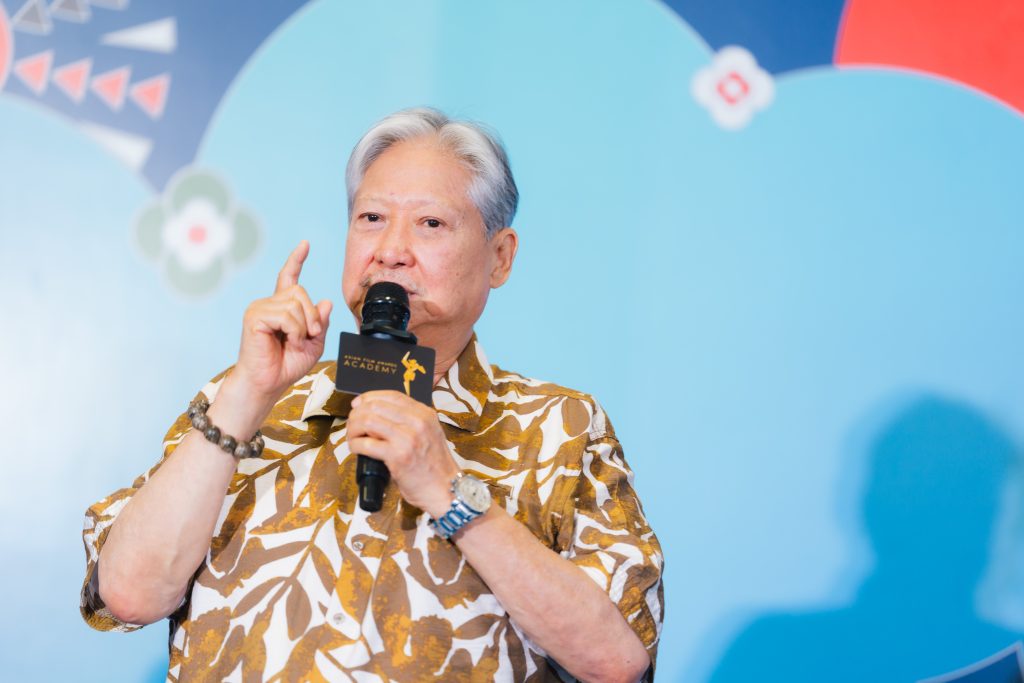
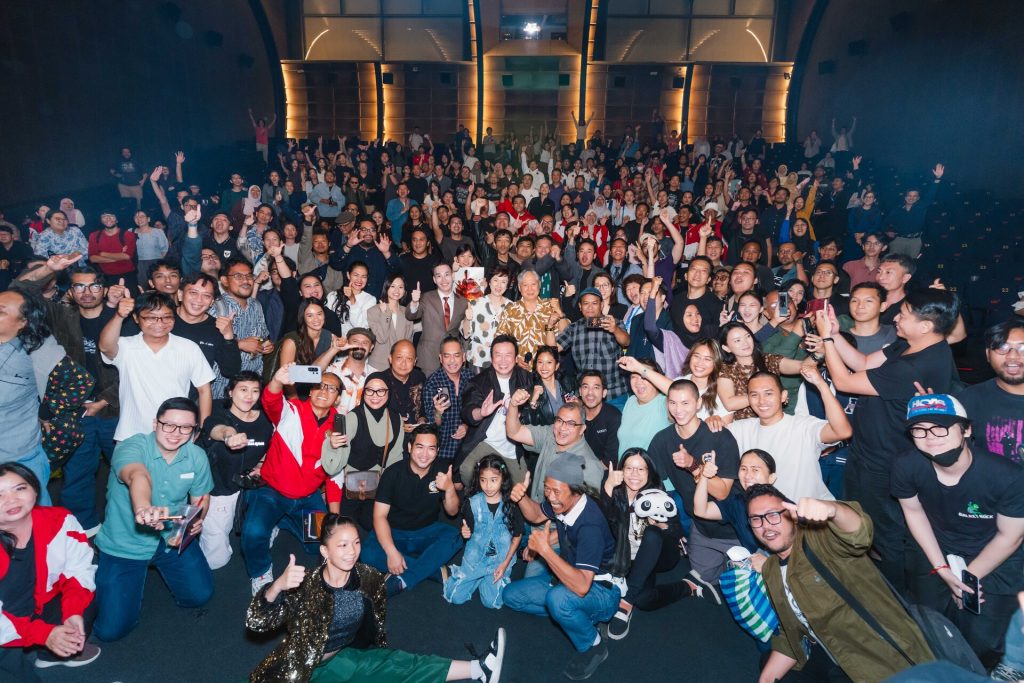
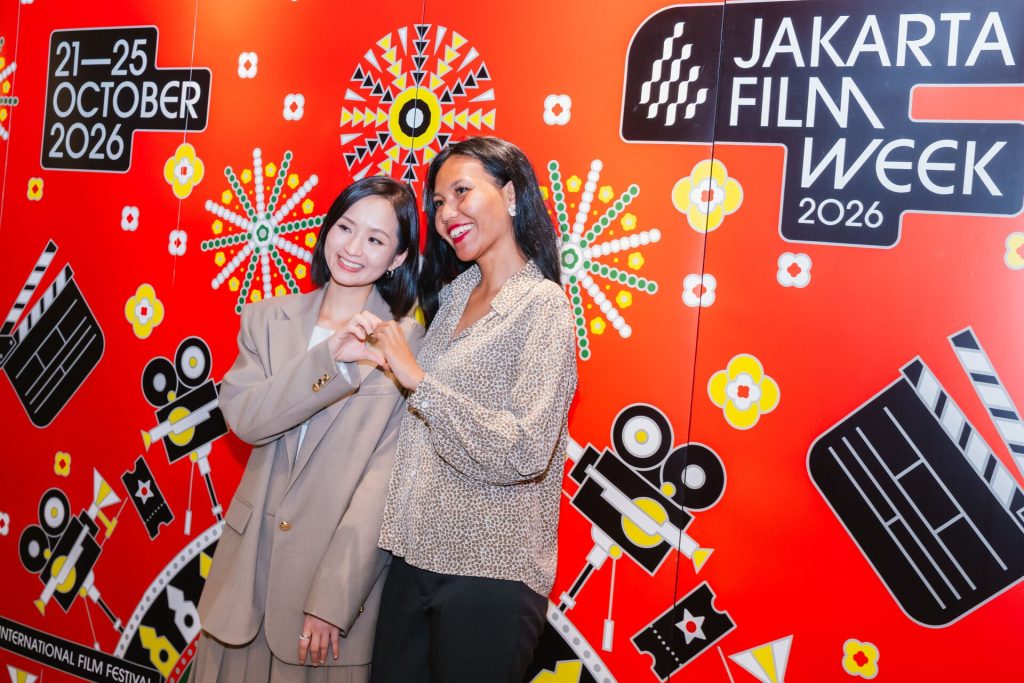
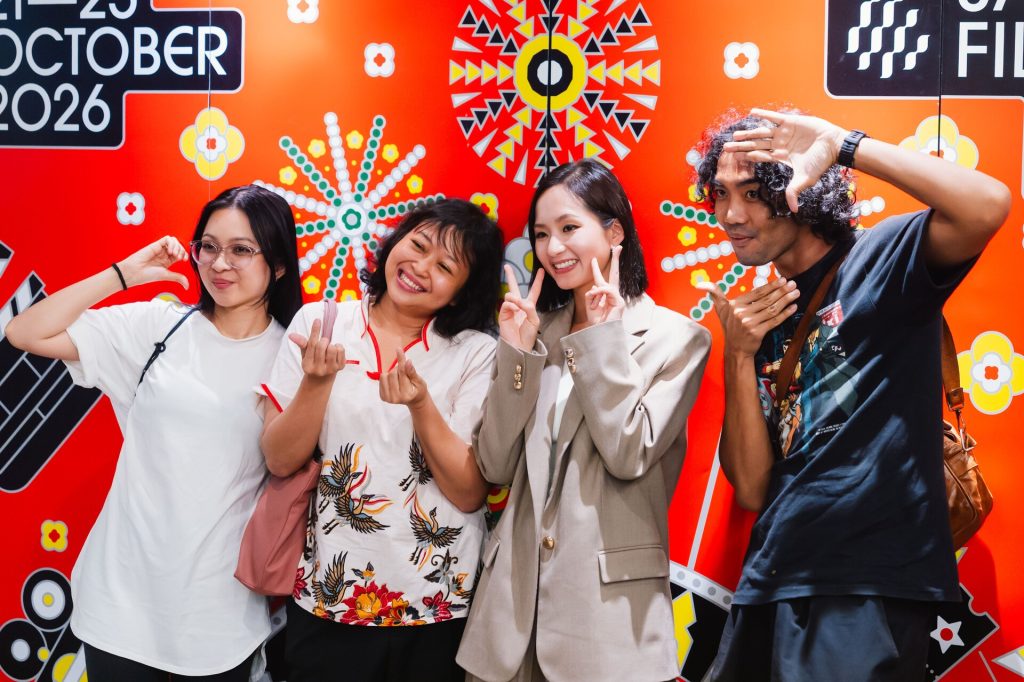
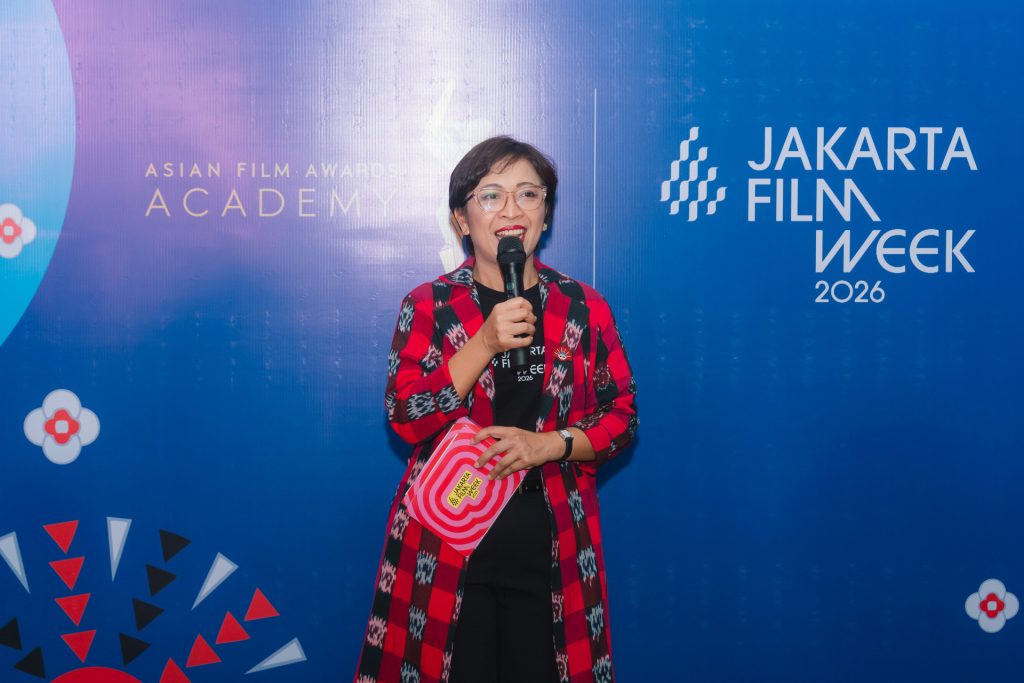
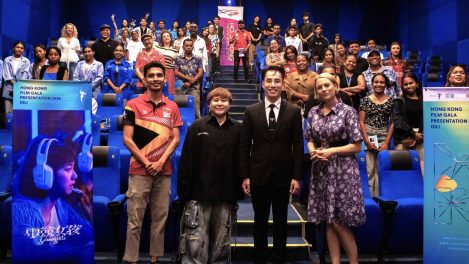
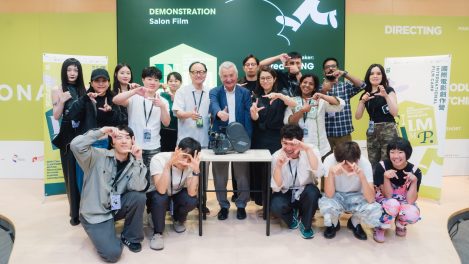
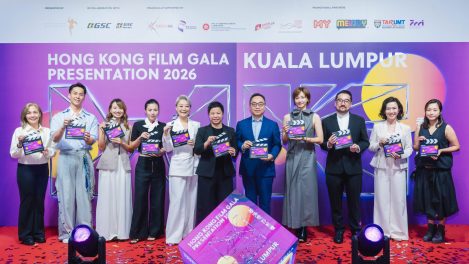
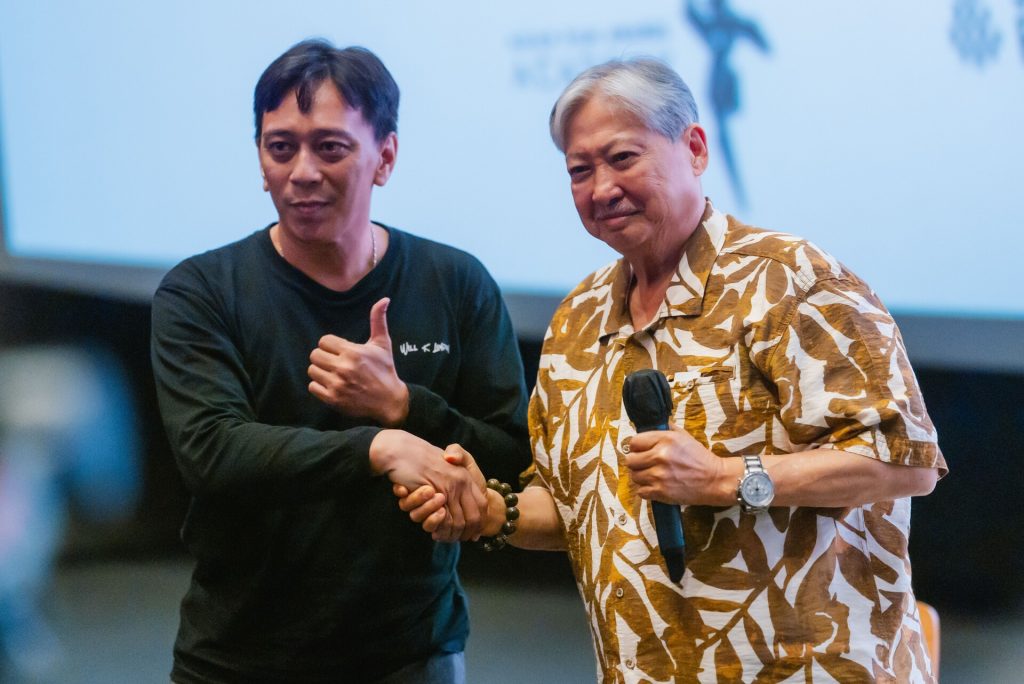
Rachel LEUNG presented The Dating Menu in Jakarta alongside three Sammo HUNG classics, engaging Indonesian audiences and showcasing the dynamic, cross-generational charm of Hong Kong cinema.Organised by the Asian Film Awards Academy and co-organised by the Jakarta Film Week, with funding from the Cultural and Creative Industries Development Agency (CCIDA) and the Film Development Fund (FDF) and supported by the Hong Kong Economic and Trade Office in Jakarta, the “Hong Kong Film Gala Presentation— Jakarta ” concluded successfully on 21–22 October. This year marked the third collaboration between the Asian Film Awards Academy and the Jakarta Film Week. Hong Kong cinema legend Sammo HUNG was invited to Jakarta to host a masterclass, drew around 500 fans, and filled the venue with an enthusiastic response.
The event featured screenings of three distinctive Sammo HUNG classics: Alongside directing and starring in The Bodyguard and writing, directing, and acting in Spooky Encounter, he also helmed Eastern Condors, sharing the screen with his wife, Joyce Godenzi. — showcasing his remarkable talents in martial arts choreography, genre blending, and character construction. The gala also presented recently released Hong Kong films including The Dating Menu and Dead End, spanning diverse subjects and styles and reflecting the multifaceted, distinctive creative landscape of Hong Kong cinema.
Sammo HUNG reflected on his childhood training under Peking opera master YU Jim Yuen, recalling that he had resisted strict discipline and had wanted to throw in the towel and return home just after ten days. “After ten days of training I didn’t want to learn anymore — I wanted to go home,” he recalled. Only as he grew older did he gradually understand that his master’s intentions benefited him. “My master didn’t charge us tuition fees, and he even took care of our food and lodging,” he said with emotion. Looking back on those years decades later, he came to appreciate more deeply his mentor’s selfless dedication. Speaking of growing up, training in martial arts and entering the film industry alongside his “Seven Little Fortunes” brothers, he also expressed his cherished memories of those former bonds. Asked how his style differed from those of Jackie Chan and Yuen Biao, Sammo HUNG said the three of them have their own unique essence. “We are Apples and Oranges” he joked, using fruit as an example— vividly illustrating that every filmmaker has a unique personality and set of strengths, drawing laughter from the entire audience.
Asked how he conceived such inventive films and spectacular fight scenes, he said bluntly: “Rack your brains!” He explained: “Audiences’ tastes evolve, so filmmakers must put their finger on the pulse and constantly reinvent to churn out fresh ideas.” Citing the iconic round-table duel in Ip Man 2 as an example, he described how he gradually conceived the entire sequence — from the shape of the round table and the arrangement of the chairs around it to the personalities and style of the two martial arts masters. “It’s not just about thinking how to fight — you also have to think about who the characters are and what the story is,” he stressed, explaining that martial arts choreography is not merely about pursuing visual excitement but must also complement character personality and plot development so that the audience can truly engage.
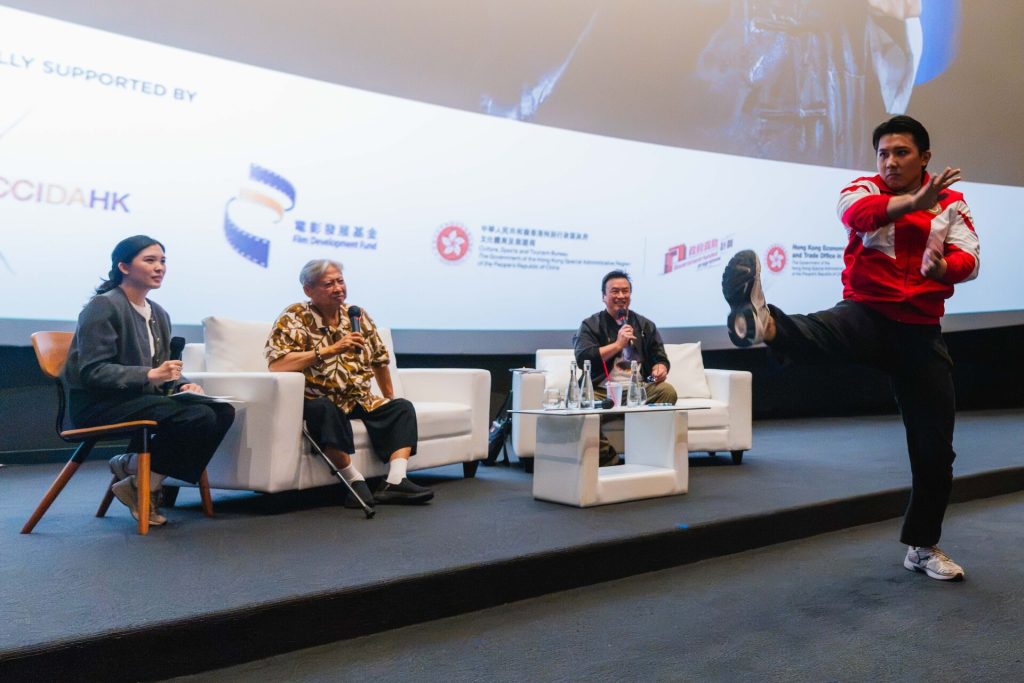
The interactive session was equally exciting, with the Indonesian fans eagerly asking questions, and one audience member sharing how Sammo HUNG’s work had inspired him to embark on a career in filmmaking. One fan even demonstrated kung fu on the spot. Sammo HUNG also responded warmly to audience questions and posed for photos and signed autographs for fans. At the end of the masterclass, when asked about Jakarta’s warm welcome, he joked: “I felt your warmth the moment I landed in Jakarta — because it really is hot!” The remark sent the audience into fits of laughter, bringing the masterclass to a light-hearted and cheerful close.
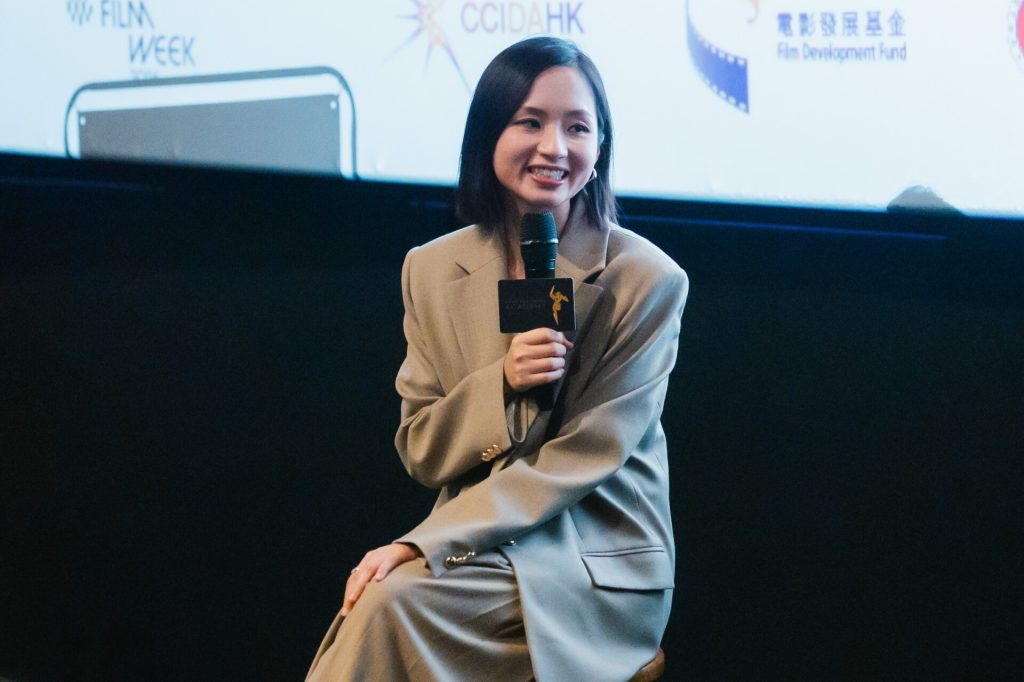
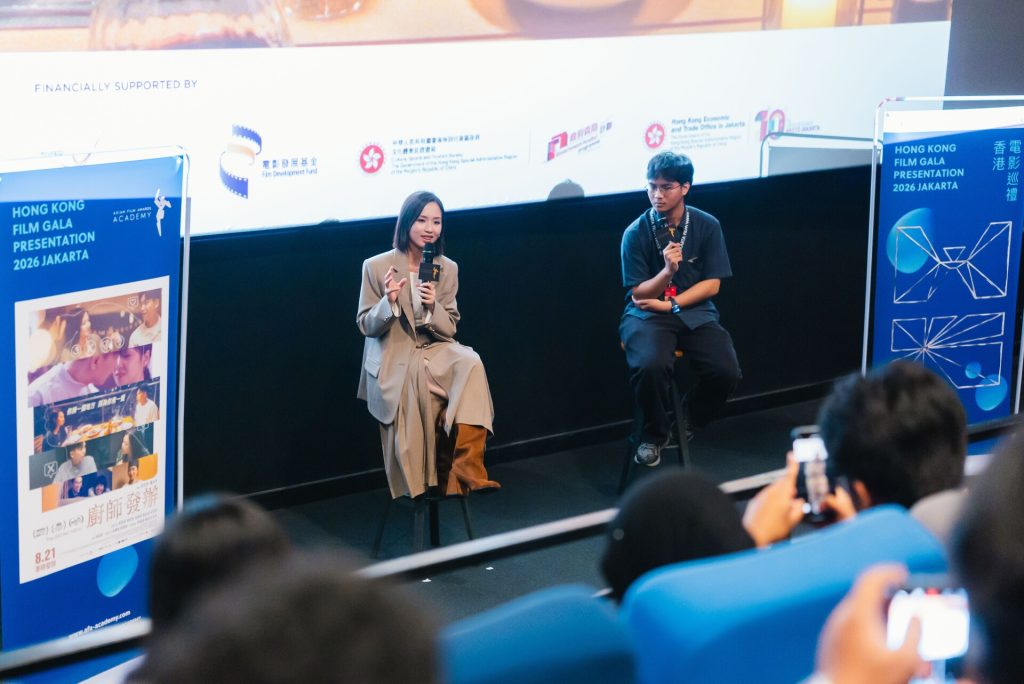
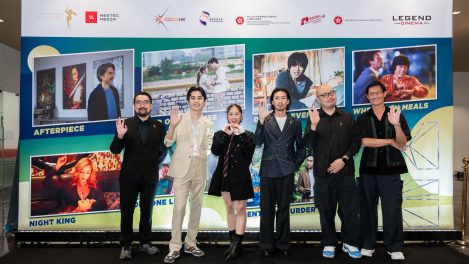
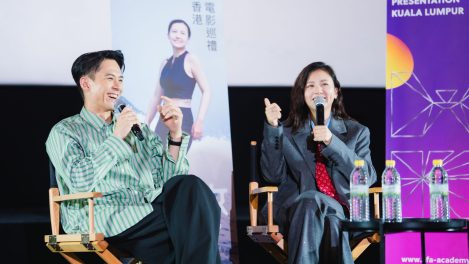
Beyond the Sammo HUNG masterclass, actress Rachel LEUNG also travelled to Jakarta to present The Dating Menu to local audiences, attending a post-screening discussion to share her experiences of character creation and the filming process, including her thoughts on the film’s ending.
Asked why she took on the film, she said it was her second collaboration with director Amos WHY and shared her appreciation for the female characters he wrote: “The female characters in his scripts offer a perspective different from my own way of thinking, which I found very interesting — it made me wonder how I should portray this character.” She also noted that directors Amos and Frankie CHUNG emphasised communication with actors during production: “They wanted every actor to bring their own viewpoint and inject a solid personality into the character,” enriching the characters through collective discussion and creation.
Regarding the ending that audiences cared about most, Rachel Leung explained that the directors had indeed considered a happy union in which the main character, Link, ends up with his first love. However, they chose a bittersweet conclusion that captures the loneliness and ambiguity of romance in urban life, she framed this choice not as pessimism but as an honest reflection of modern urban experience and contemporary dating, in which people yearn for connection yet must often reckon with the gap between idealized love and reality.
Local audiences also seized the opportunity to ask Rachel about Hong Kong cinema — specifically, whether the golden era of the 1980s and 1990s still exerts an influence on contemporary Hong Kong films. Rachel replied that Hong Kong cinema has recently shown greater diversity while retaining its own distinct perspective. She also expressed her hope that more Hong Kong films will reach Indonesia and connect with audiences there.
This outlook resonated strongly with the Jakarta audience, one of whom shared his own experience of meeting his partner through a dating app, saying candidly: “I saw myself in this film.” He also offered his views on modern romantic relationships: “Sometimes the love you imagine is beautiful, but when two people actually step into real life together, things may not develop as you imagine.” This heartfelt sharing sparked discussion on the film’s plot and character relationships, demonstrating the resonance of Hong Kong cinematic stories across regions and cultures. Many audience members were still reluctant to leave after the event ended, deliberately staying outside the cinema to continue conversing with Rachel LEUNG and share their viewing experiences and thoughts on the film.
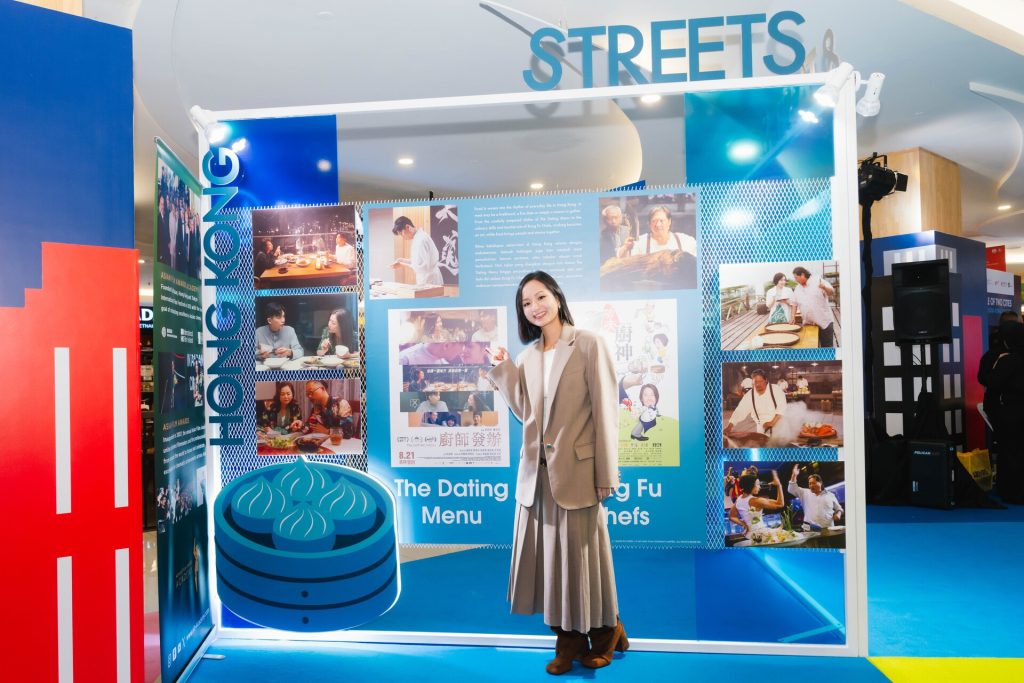
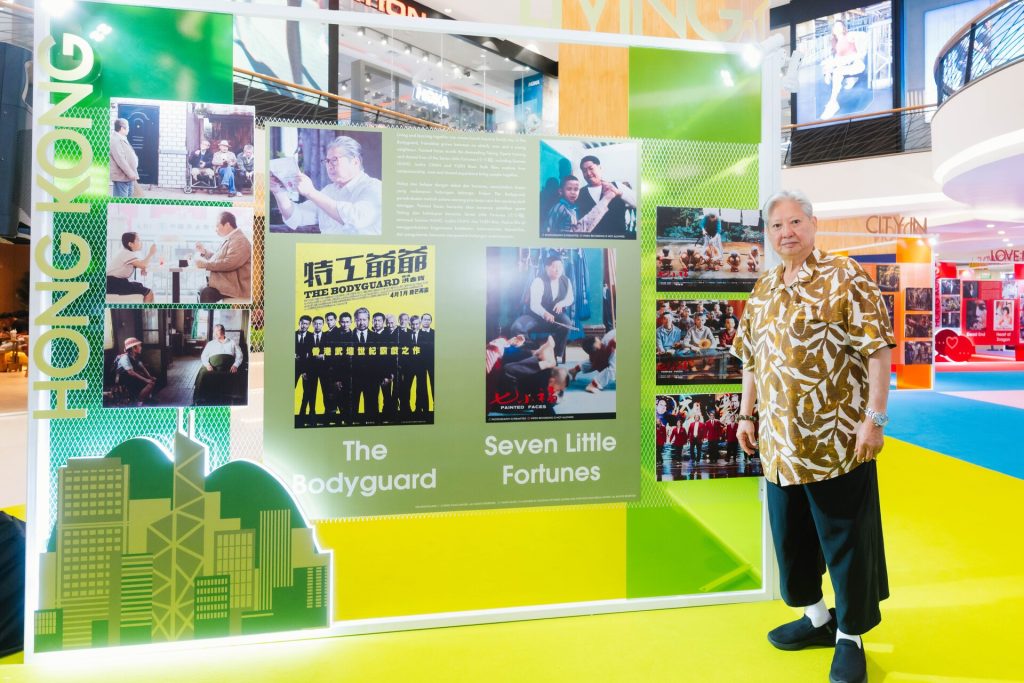
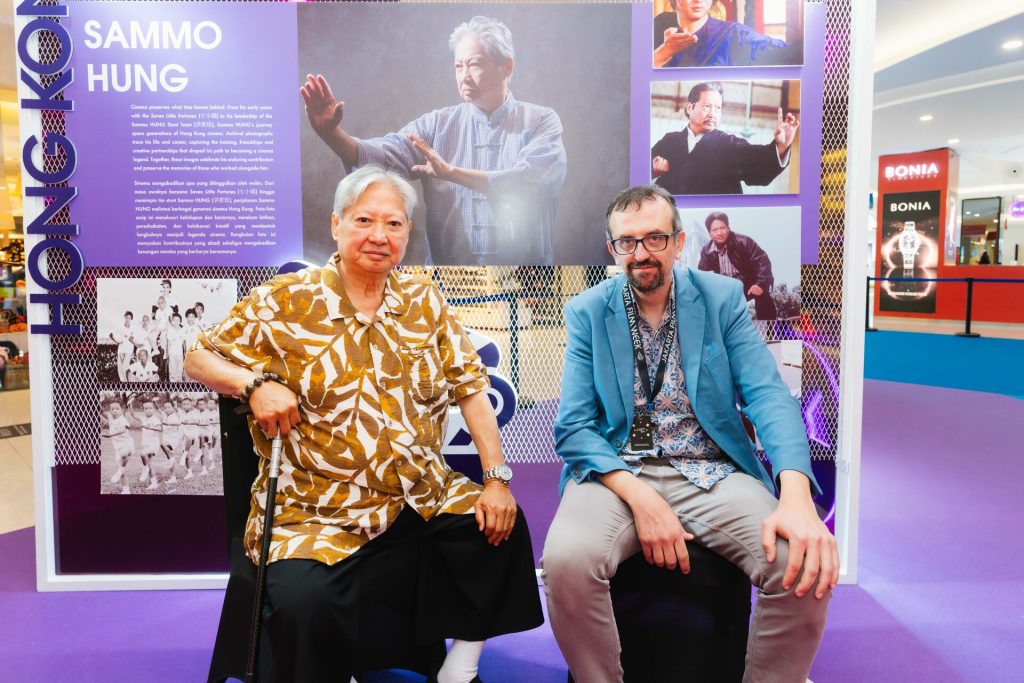
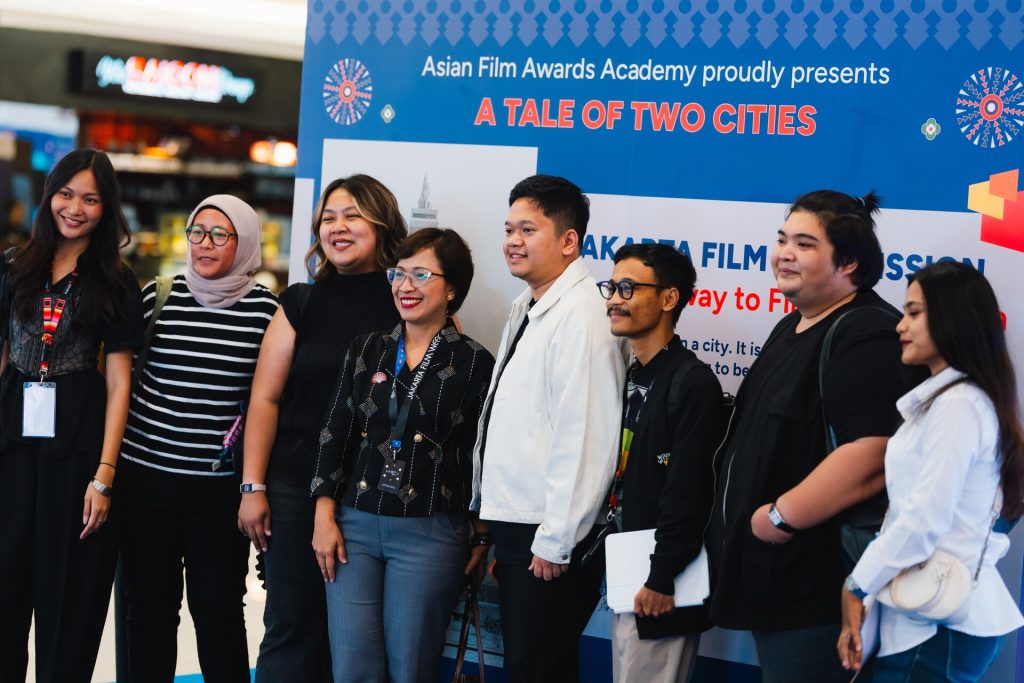
This year’s gala also partnered with the Jakarta Film Commission to present a limited exhibition themed “A Tale of Two Cities,” using cinema as a bridge to explore the culture, identity and life stories of Hong Kong and Jakarta. The exhibition featured six themes — from Hong Kong cinema’s iconic kung fu scenes, food culture and urban emotions to folklore and master-disciple bonds in classic works — presenting through films from different eras how the silver screen has documented urban transformation and collective memory. A special section paid tribute to Sammo HUNG, displaying striking stills from Heart of Dragon, Spooky Encounters, Eastern Condors and Twilight of the Warriors: Walled In, and, through rare archival footage of the “Seven Little Fortunes” and the HUNG Clan, a stunt team led by Sammo HUNG, guiding audiences through the cinematic years he walked alongside fellow filmmakers, bearing witness to the inheritance and evolution of Hong Kong kung fu cinema.
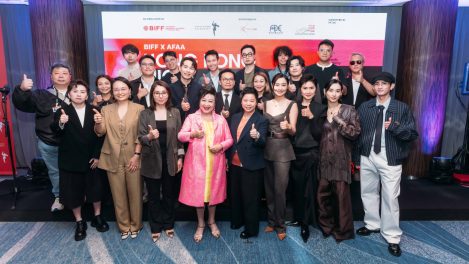
In addition, a “Hong Kong Night” industry networking event was held during the gala, bringing together film professionals from Hong Kong, Indonesia and across Southeast Asia to share creative experiences and industry trends and to explore new opportunities for cross-regional collaboration.
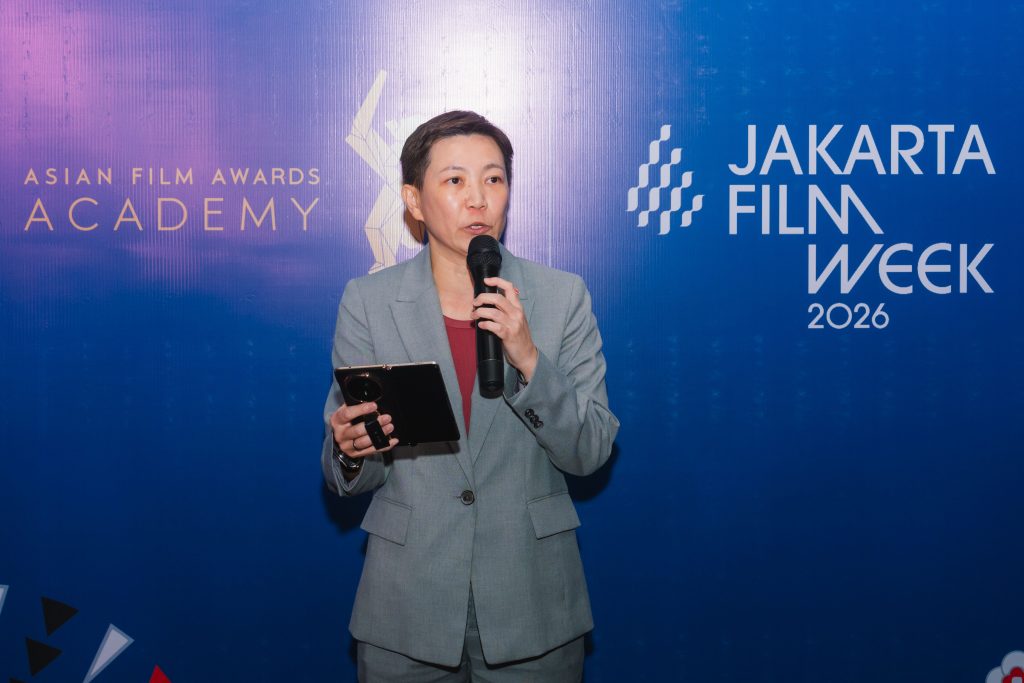
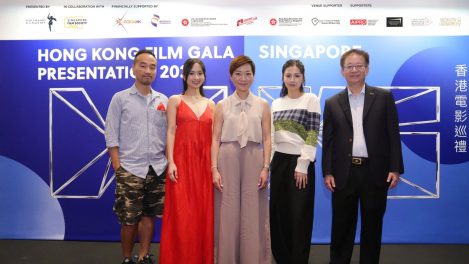
CHENG Ching-man, Director of the Hong Kong Economic and Trade Office in Jakarta, remarked at the event, saying the Hong Kong Special Administrative Region Government has been actively supporting the development of the film industry, promoting film production and nurturing industry talent through various funding schemes, and striving to bring Hong Kong films to the international stage. Rina, Director of the Jakarta Film Week, also shared her thoughts, expressing great pleasure at collaborating once again with the Asian Film Awards Academy and her hope to continue, through film screenings and cultural exchange activities, enabling more Indonesian audiences to enjoy outstanding Hong Kong films and deepening cinematic cultural exchange between the two places.
With the successful conclusion of the “Hong Kong Film Presentation — Jakarta”, the Asian Film Awards Academy will continue to build a platform for Asian cinematic cultural exchange through diverse formats including film screenings, masterclasses, thematic exhibitions, and industry networking, fostering connections and collaboration among filmmakers from different regions and bringing the creative spirit and unique charm of Hong Kong cinema to a broader international stage.
ASIAN FILM AWARDS ACADEMYThe Asian Film Awards Academy, a non-profit organization, was founded by Busan, Hong Kong and Tokyo International Film Festivals with the shared goal of celebrating excellence in Asian cinema. Aiming to promote and recognize Asian films and its talents, AFAA highlights, strengthens and develops Asian film industry through the annual Asian Film Awards and several year-round initiatives.
Our year-round events and programmes are held with the objectives to promote Asian films to a wider audience, expand the film market within Asia, and build and sustain connections among Hong Kong and international film professional. Masterclass Series – in conversation with filmmakers, Journey to the fest – Student Visit to International Film Festivals, Asian Cinerama – Film Roadshow, and Young Film Professionals Programme – overseas training and work-placement, are examples of our year-round programmes. These programmes couldn’t have held successfully without the financial support of the Cultural and Creative Industries Development Agency and Film Development Fund of the HKSAR Government. AFAA has worked to promote, educate, inform and develop knowledge, skills and interest in Asian cinema among the industry, students and audiences in Asia and beyond with the support of film festivals and cultural organizations.
CULTURAL AND CREATIVE INDUSTRIES DEVELOPMENT AGENCY (CCIDA)Under the Culture, Sports and Tourism Bureau of the Government of the Hong Kong Special Administrative Region, the Cultural and Creative Industries Development Agency (CCIDA) (formerly known as Create Hong Kong (CreateHK)) is a dedicated office, aiming to spearhead the development of cultural and creative industries in Hong Kong.
FILM DEVELOPMENT FUNDThe Film Development Fund (FDF) was first set up by the Government in 1999 to support projects conducive to the long-term development of the film industry in Hong Kong, including: part-financing small-to-medium budget film productions; enhancing efforts to promote Hong Kong films in the Mainland and overseas; enhancing initiatives to train talents in various aspects of film production and distribution; and enhancing the interest and appreciation of Hong Kong films by the local audience.