Hong Kong Film Gala Presentation Concludes Successfully in Riyadh
Directors NJO Kui Ying and Chou Man Yu Transcend Cultural and Language Barriers, Connecting the World Through Hong Kong CinemaOrganised by the Asian Film Awards Academy (AFAA), with the support of the Cultural and Creative Industries Development Agency (CCIDA), the Film Development Fund (FDF), and the Hong Kong Economic and Trade Office in Dubai, the Hong Kong Film Gala Presentation concluded successfully in Riyadh, Saudi Arabia. Marking the Academy’s first-ever film showcase in the Kingdom, the three-day programme was held from 12 to 14 June at VOX Cinema Riyadh, featuring screenings of Road to Vendetta, Blade of Fury, Ciao UFO and Behind the Shadows.
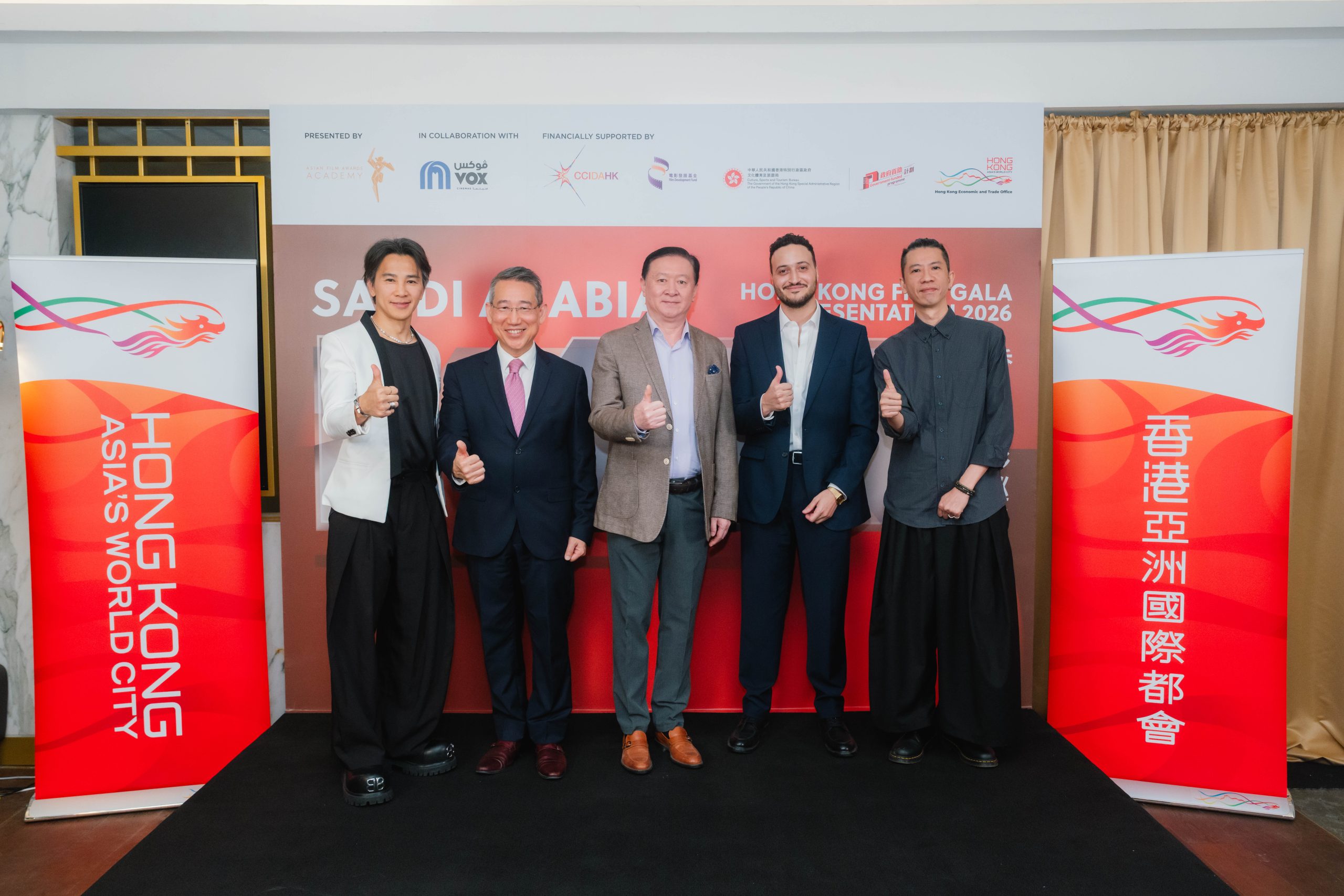
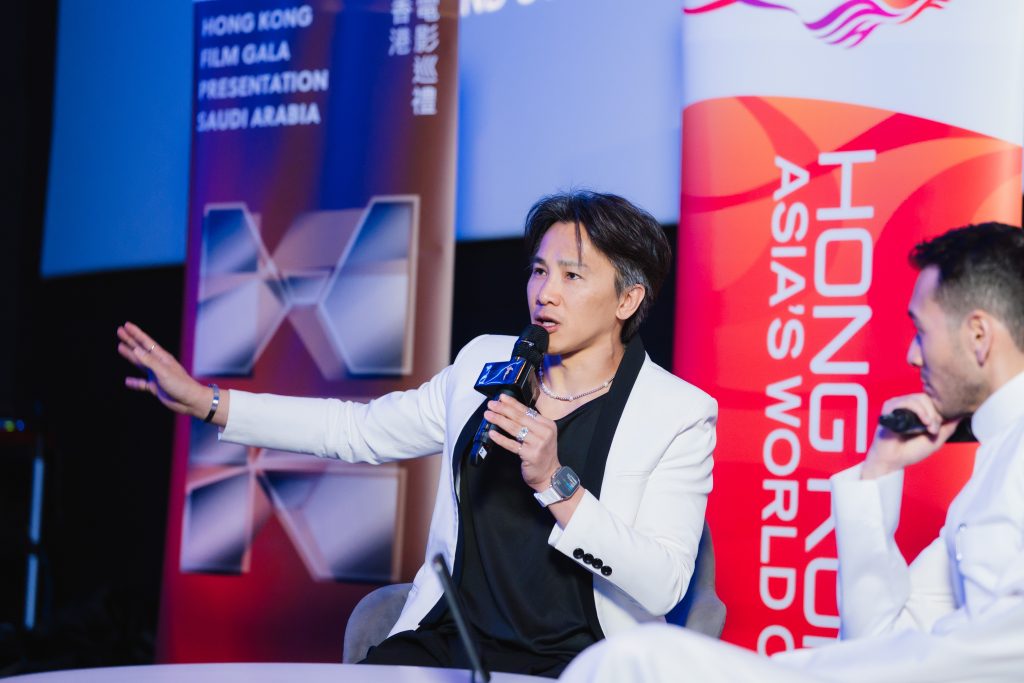
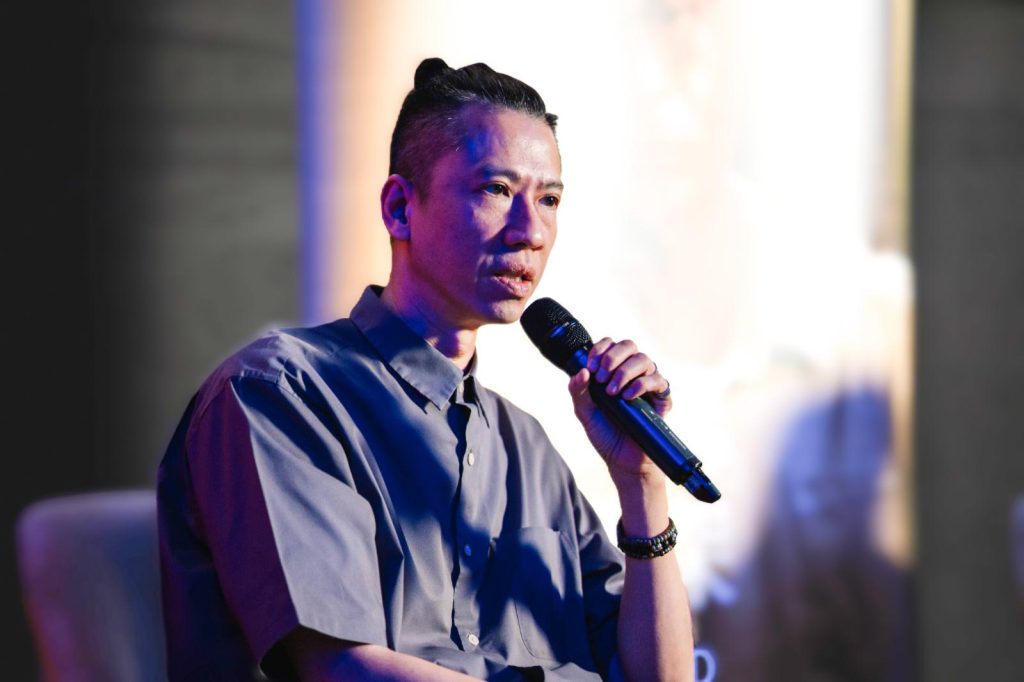
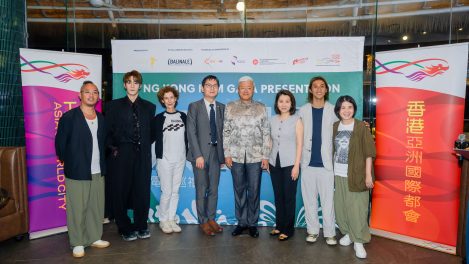
To deepen cultural exchange, Road to Vendetta director NJO Kui Ying and Behind the Shadows director Chou Man Yu attended post-screening Q&A sessions, engaging directly with local audiences.
More than the Academy’s first film showcase in Saudi Arabia, the event became a heartfelt dialogue that transcended borders, languages and cultures. Lasting for over two hours, the post-screening discussions saw enthusiastic audiences raise questions ranging from filmmaking and character development to cultural differences, the film industry, and the filmmakers’ personal journeys. The directors’ candid reflections on both cinema and life deeply resonated with audiences in Riyadh.
NJO Kui Ying: The Greatest Power of Cinema Is Sharing What You Love
Making his Middle East premiere as a feature film director, NJO Kui Ying received an enthusiastic response from audiences for Road to Vendetta, a film that blends the traditions of Hong Kong action cinema with Japanese manga culture and video game aesthetics. Many audience members were curious about how he naturally fused these diverse cultural influences.
NJO explained that his films are never created to follow market trends, but rather to share the things he genuinely loves.
“To me, being a director is about sharing. It’s like discovering an amazing restaurant—you can’t help but recommend it to your friends. I simply put the manga, animation, Hong Kong action films and visual styles that I love into my movies, hoping audiences can experience the world that inspires me.”
Speaking about cross-cultural filmmaking, he stressed that respect is the foundation of every collaboration. Road to Vendetta enlisted a Japanese screenwriter as a script consultant to ensure that the Japanese cultural elements were portrayed authentically rather than imitated superficially.
“We don’t need to pretend we fully understand another culture. We should respect it, embrace it, and then share the things we love. When people open their hearts to one another, cinema naturally becomes the best form of communication.”
During the Q&A, one audience member asked about his journey in pursuing his dream. NJO revealed that Road to Vendetta took seven years to complete—from its initial concept to personally scouting locations across Japan—describing the process as one filled with setbacks and perseverance.
He reflected: “Chasing your dream is a lonely journey. The first time you try, everyone supports you. The second time, you may find that only you are left. But if it’s truly your dream, don’t stop. Keep trying, and one day you’ll reach your destination.” His heartfelt words were met with warm applause from the audience.
Chou Man Yu: I Want Audiences to Remember the Human Struggle, Not Just the Killer
Behind the Shadows also sparked lively discussion following its screening. Rather than presenting a conventional whodunit, the crime thriller explores the complexity of human nature and emotional trauma. Many audience members were intrigued that the killer’s identity is revealed early in the story, and asked why Chou chose such an unconventional narrative structure.
Chou explained that he never intended for audiences to focus solely on identifying the murderer. “Most thrillers reveal the killer at the very end. But what interests me more is asking: now that you know who the killer is, why did this person become who they are? What happened to someone who once seemed kind?”
Discussing the film’s origins, Chou shared that the story was inspired by a close friend’s real-life experience. After suffering emotional betrayal in a marriage, his friend began questioning whether emotional wounds could sometimes be even more devastating than physical ones. “If you stab someone with a knife, you’re held legally responsible. But if you destroy someone emotionally, there may be no consequences at all. That question stayed with me, and eventually became the starting point for this film.”
When asked about his screenwriting process, Chou explained that he never forces a plot in a predetermined direction. Instead, he builds fully realised characters and allows their personalities to shape the story naturally. “Once your characters feel real, you’ll instinctively know what choices they would make in every situation. The story simply unfolds from there.”
Having spent years as an acclaimed screenwriter before making his directorial debut, Chou also spoke about the importance of being present on set throughout production, observing how a screenplay evolves into a finished film and working closely with actors to discover the most authentic performances.
Hong Kong Stories Resonate with Riyadh Audiences
Throughout the three-day programme, many Saudi audiences shared that their previous impression of Hong Kong cinema had largely been shaped by the iconic action films of the 1980s and 1990s. This year’s programme offered a fresh perspective, introducing the diversity and evolution of contemporary Hong Kong filmmaking.
From the cross-cultural action universe of Road to Vendetta to the emotionally layered storytelling of Behind the Shadows, the films demonstrated how Hong Kong cinema continues to evolve while connecting with audiences across cultures through universal themes and compelling storytelling.
The Asian Film Awards Academy believes the Hong Kong Film Gala Presentation serves as a cultural bridge, bringing together filmmakers and audiences from around the world through the universal language of cinema. Its inaugural edition in Riyadh not only introduced contemporary Hong Kong cinema to the Middle East, but also showcased the creativity, passion and vision of Hong Kong filmmakers on the international stage.
Looking ahead, the Hong Kong Film Gala Presentation will continue its journey to more cities around the world, expanding the global reach of Hong Kong cinema and enabling more audiences to experience its enduring creativity, diversity and artistic vitality through the magic of film.
ASIAN FILM AWARDS ACADEMY
The Asian Film Awards Academy, a non-profit organization, was founded by Busan, Hong Kong and Tokyo International Film Festivals with the shared goal of celebrating excellence in Asian cinema. Aiming to promote and recognize Asian films and its talents, AFAA highlights, strengthens and develops Asian film industry through the annual Asian Film Awards and several year-round initiatives.
Our year-round events and programmes are held with the objectives to promote Asian films to a wider audience, expand the film market within Asia, and build and sustain connections among Hong Kong and international film professional. Masterclass Series – in conversation with filmmakers, Journey to the fest – Student Visit to International Film Festivals, Asian Cinerama – Film Roadshow, and Young Film Professionals Programme – overseas training and work-placement, are examples of our year-round programmes. These programmes couldn’t have held successfully without the financial support of the Cultural and Creative Industries Development Agency and Film Development Fund of the HKSAR Government. AFAA has worked to promote, educate, inform and develop knowledge, skills and interest in Asian cinema among the industry, students and audiences in Asia and beyond with the support of film festivals and cultural organizations.
CULTURAL AND CREATIVE INDUSTRIES DEVELOPMENT AGENCY (CCIDA)
Under the Culture, Sports and Tourism Bureau of the Government of the Hong Kong Special Administrative Region, the Cultural and Creative Industries Development Agency (CCIDA) (formerly known as Create Hong Kong (CreateHK)) is a dedicated office, aiming to spearhead the development of cultural and creative industries in Hong Kong.
FILM DEVELOPMENT FUND
The Film Development Fund (FDF) was first set up by the Government in 1999 to support projects conducive to the long-term development of the film industry in Hong Kong, including: part-financing small-to-medium budget film productions; enhancing efforts to promote Hong Kong films in the Mainland and overseas; enhancing initiatives to train talents in various aspects of film production and distribution; and enhancing the interest and appreciation of Hong Kong films by the local audience.