Community Forum: Entertainment and Social Realism Coexist in Contemporary Hong Kong Cinema

Four Hong Kong Filmmakers Share the Golden Era and Future Outlook of Hong Kong Cinema with Local Students and Cinematheque in Yogyakarta
14 January 2026

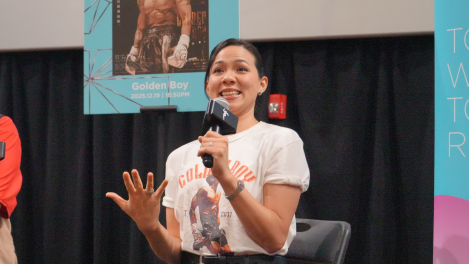
“When we were still in the halfway of shooting In the Mood for Love, Director Wong Kar-wai suddenly told us that we would start filming its sequel the following week, which later became 2046. There was no script, no clear setup. He only asked me to design and build a massive circus set. I followed a few fragmented ideas and constructed the entire scene, but in the end, everything was cut from the final film. Thinking about it now, it was really a pity.” Man Lim Chung entertained the crowd with anecdotes while recalling his experience working with Wong Kar-wai on 2046 during the forum. This challenging behind-the-scene experience drew hearty laughter and applause from the students.


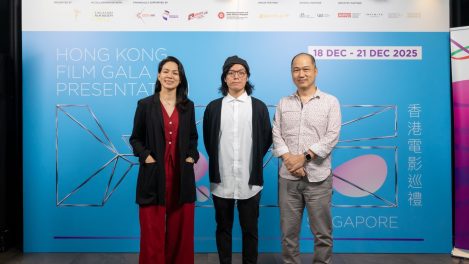
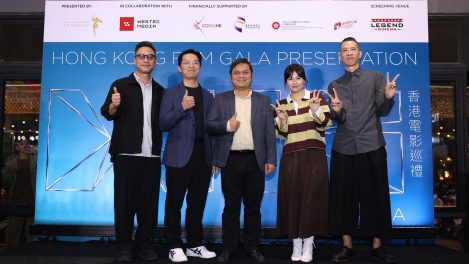
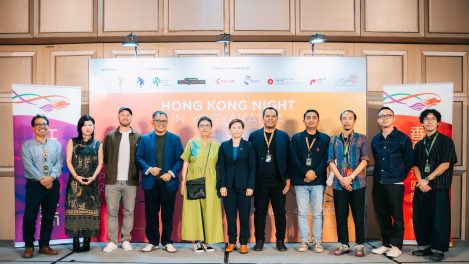
The Hong Kong Film Gala Presentation – Yogyakarta, presented by the Asian Film Awards Academy (AFAA) and in collaboration with the Jogja-NETPAC Asian Film Festival (JAFF), is funded by the Cultural and Creative Industries Development Agency (CCIDA) and the Film Development Fund, with support from the Hong Kong Economic and Trade Office (HKETO) in Jakarta.


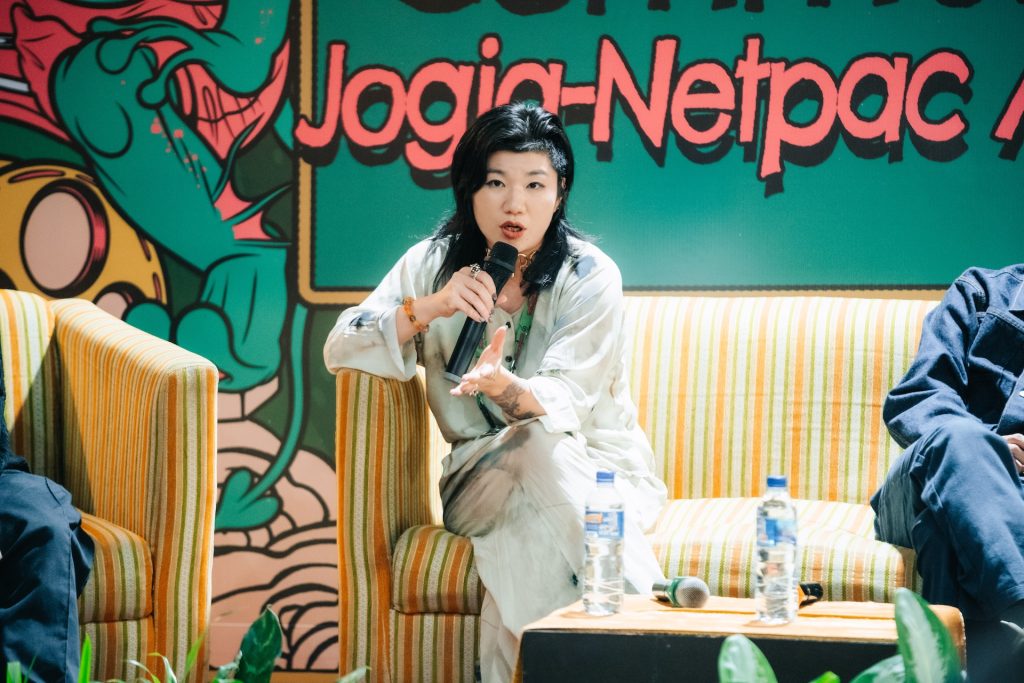
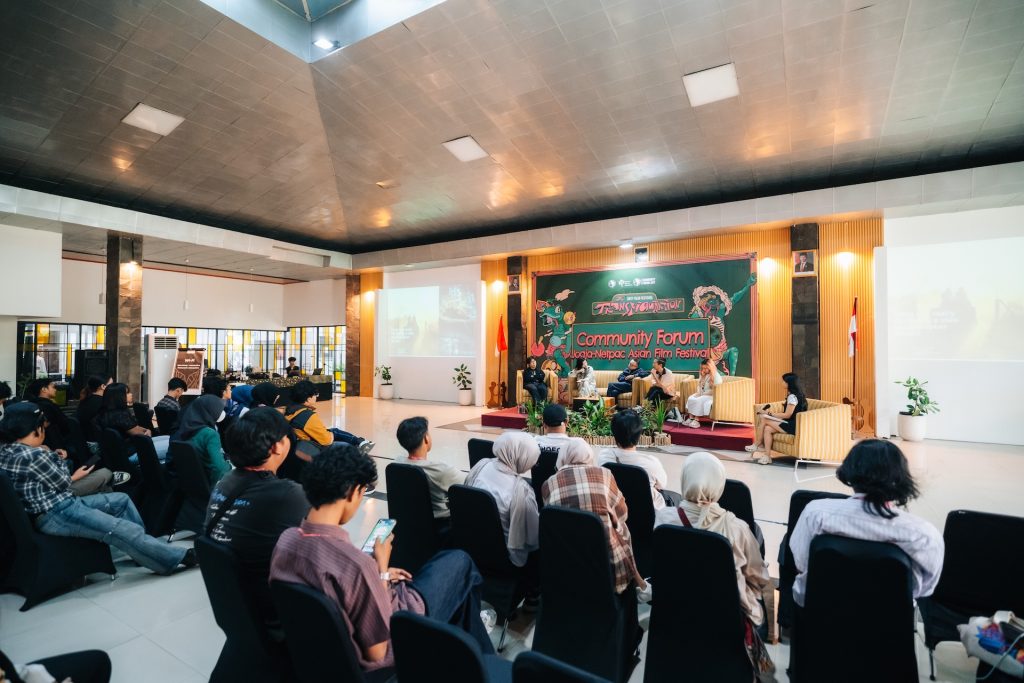
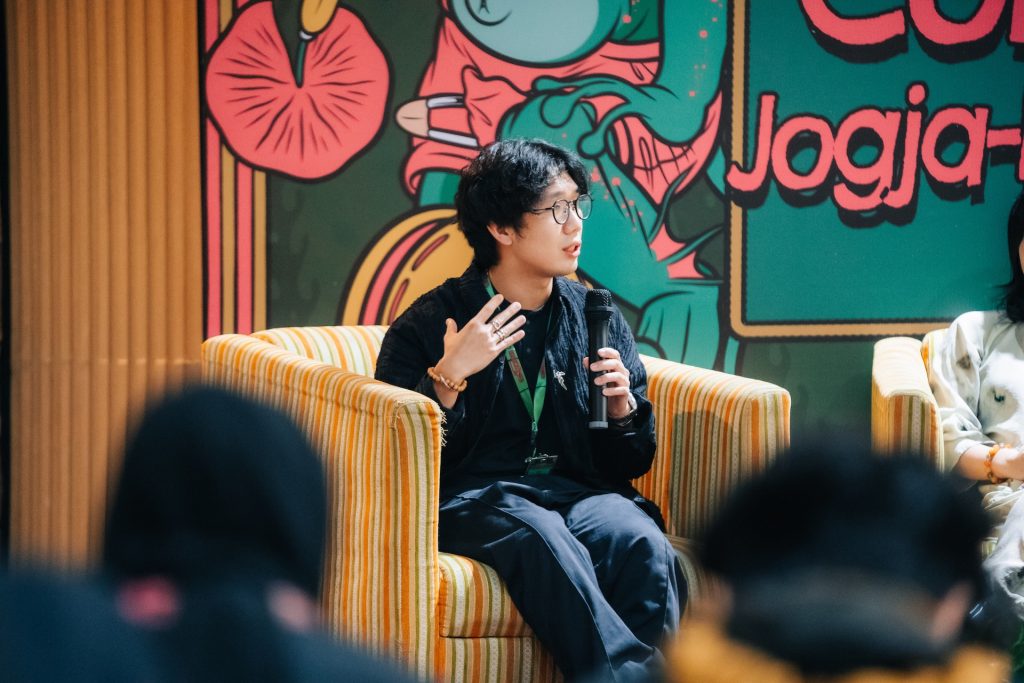
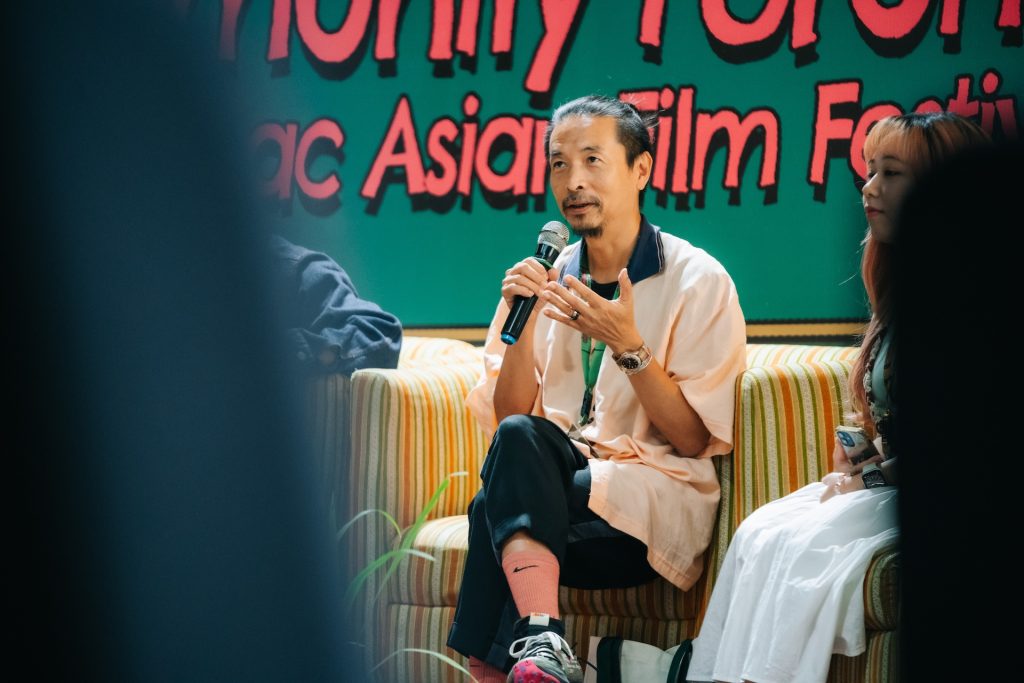
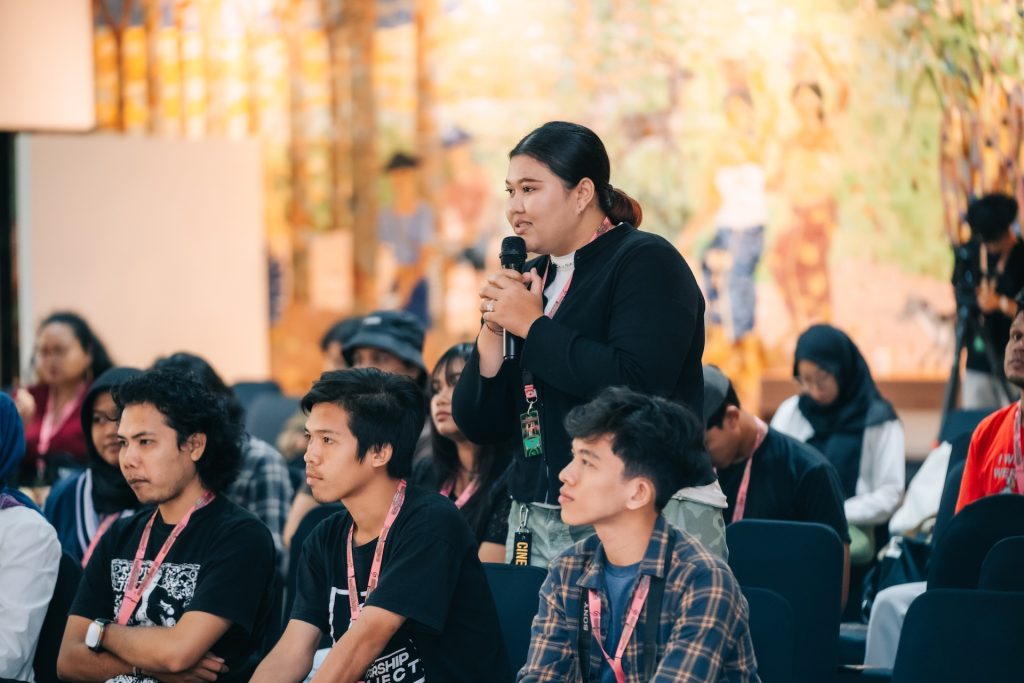
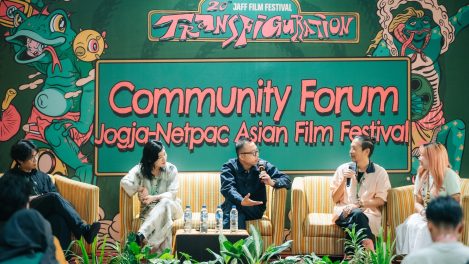
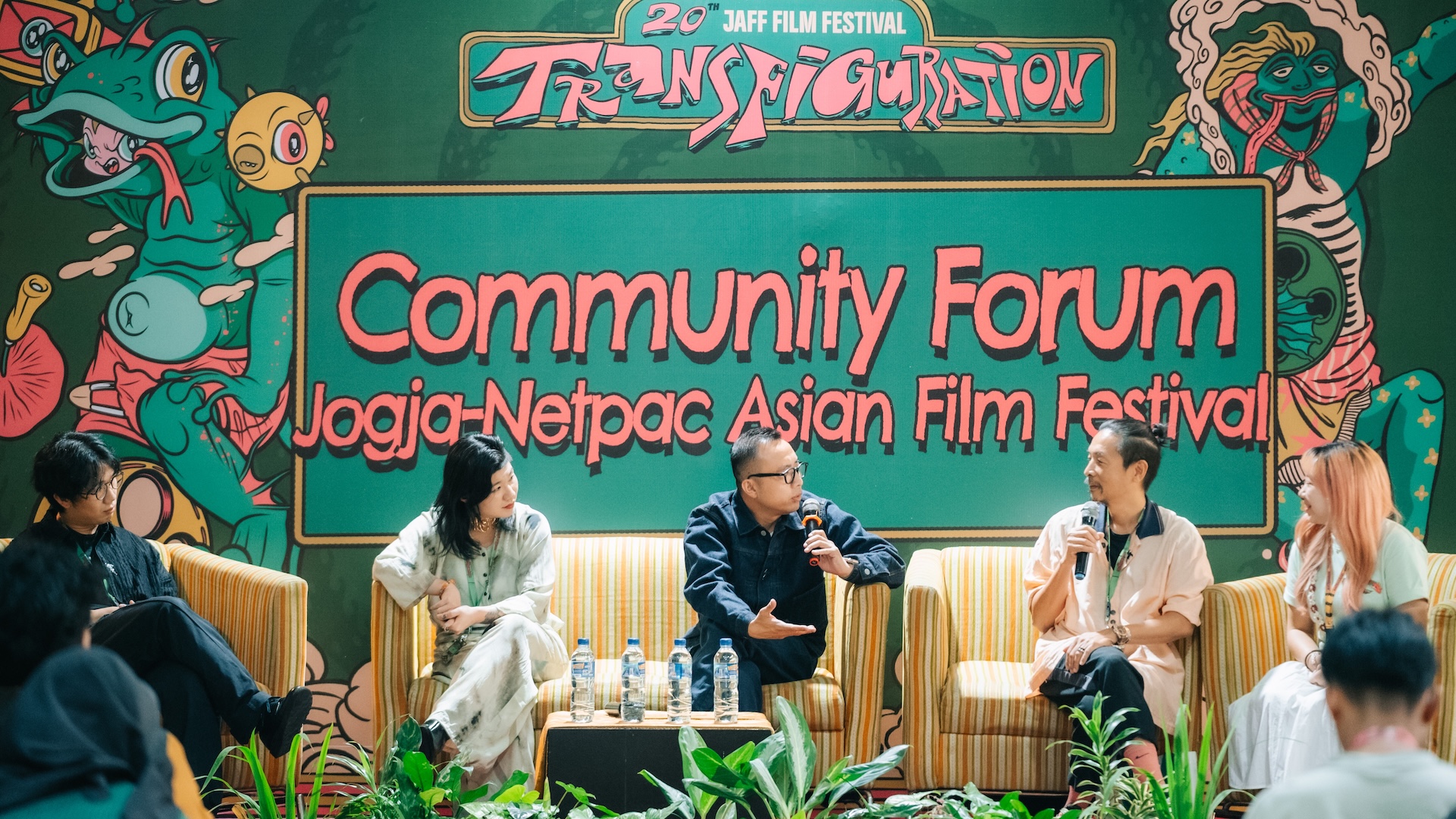
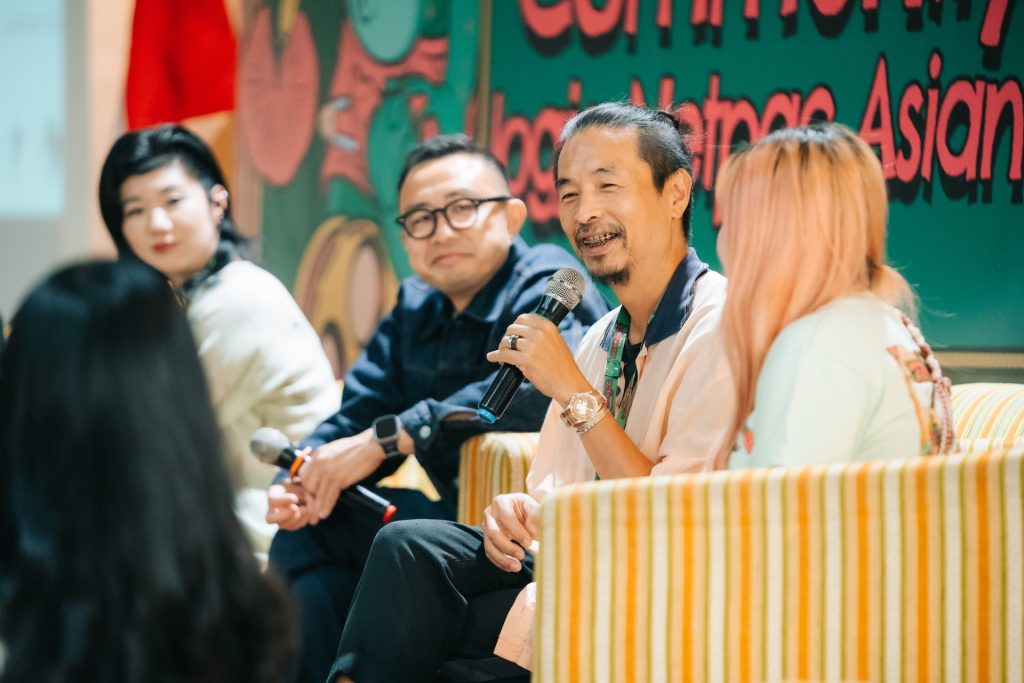
One of the key programs of the film gala presentation, the filmmaker forum was held at LPP Convention Hotel as part of the Jogja-NETPAC Asian Film Festival. Renowned Hong Kong Art director Man Lim Chung, director Mandrew Kwan, still photographer Quist Tsang, and emerging short film director Ivan Cheung were invited to participate. Themed “Something You Don’t Know About the Hong Kong Film Industry,” the forum attracted a large number of film students and young cinematheques eager to learn about Hong Kong cinema’s history and future development. The discussion continued actively during the Q&A session, creating a lively atmosphere.

Man Lim Chung emphasized that changes should begin with visual foundations. He explained, “In Hong Kong, production design is not just about aesthetics, it’s about constructing a narrative space. We often have to transform the director’s vision into concrete visuals within extremely tight production schedules.”


“Persistence is the key — how much you truly want to be part of this industry, and how you value it,” said Mandrew Kwan, director of The Remnant who is also a lecturer at the Hong Kong Academy for Performing Arts (HKAPA). He shared his perspective on entering the Hong Kong film industry, recalling that he made his first feature film, Coffee or Tea, as a student in 2008, and only completed his second feature more than ten years later, by which time the industry had undergone fundamental changes.


Mandrew Kwan noted that while Hong Kong films once focused primarily on mass entertainment, many contemporary works now engage more closely with social realities. He also mentioned that many graduates of the Hong Kong Academy for Performing Arts have entered the film industry in recent years, including the director and screenwriter of The Narrow Road. “However, filmmaking is not the only path,” he added. “Some graduates choose other creative platforms, such as YouTube, where they can also find their own place. Ultimately, it depends on the creator.”


Discussing how young filmmakers transition into creative careers after graduation, Mandrew Kwan emphasized that creation requires time and life experience. “Many students graduate straight from secondary school and haven’t yet experienced love, heartbreak, or real failure. But these experiences become essential nourishment for creative work.” He continued, “We grew up in Hong Kong with a long tradition of cinema, but we must also face a rapidly changing market. Making good films alone is not enough. We need to find a new voice for our time without abandoning our cultural roots.”


Mandrew Kwan directed his first feature film The Remnant in 2024. He revealed that he is currently preparing for his next project, a horror movie in the script development and funding stage, with plans to begin shooting in the second quarter of next year. The story is inspired by the Cantonese term “juk-yi-yan” (meaning hide-and-seek), which can be traced back to the pirates who used to abduct women for sacrificial purposes along the coast of Hong Kong. The moderator noted a similar Indonesian legend also involving children playing hide-and-seek after 6pm, prompting Mandrew Kwan to remark, “It’s fascinating how different places share stories around the same theme.” The exchange highlighted how cinema can transcend cultures and connect different regions.

“Do you all know Stephen Chow?” one simple question sparked an enthusiastic response from the audience. Still photographer Quist Tsang shared her creative journey, recalling how she grew up watching Hong Kong films. “Whenever I watched Stephen Chow’s films, the unique Hong Kong-style humor always made me laugh out loud.” Seeing even Indonesian audiences are familiar with Stephen Chow’s films, that moment reminded Quist how cinema unites cultures.


As she grew older, Quist became fascinated by gangster films and later developed a strong appreciation for romantic cinema, especially the works of Wong Kar-wai, such as Fallen Angels and In the Mood for Love. She described the slow pacing, Tony Leung’s presence, and even scenes of characters smoking as carrying a distinct cinematic charisma. Deeply inspired by Wong Kar-wai and Johnnie To, particularly Fallen Angels and PTU, Quist said with a smile, “The most magical thing is that I grew up watching Hong Kong films, and now I get to work with the super stars I once admired on screen — it feels like a dream comes true.” She also recalled the excitement and nervousness of photographing Takeshi Kaneshiro for the first time on Sons of the Neon Night.


With over 20 years of experience in photography, Quist transited from magazine and art photography to becoming a film still photographer in 2011. She emphasized that still photography is fundamentally different from behind-the-scenes documentation photography. It requires capturing the “decisive moment” of performance and telling a story through a single image. With the rise of social media, film stills have become a crucial promotional tool, conveying a film’s tone and positioning. Describing herself as “a bit playful,” Quist enjoys shooting action scenes involving explosions, gunfights, and car chases. “Films have taken me all over the world, just like being here today.”


Beyond still photography, Quist is also active in poster design. She spoke about collaborating with directors Alan Mak and Anthony Pun on Extraordinary Misson, where her photography was extended into a full poster series. In 2017, she officially served as poster designer for The Brink, calling it her childhood dream. She later expanded into animation design for Raging Fire, gradually broadening her creative scope.


Quist Tsang also mentioned her participation in the International Film Camp organized by the Asian Film Awards Academy, where she gained deeper understanding in pre-production processes such as screenwriting, funding, and distribution. Reflecting on her evolving roles, she said, “No matter the form, all the work I do is about visual storytelling.”

Emerging short film director Ivan Cheung shared his path into filmmaking. Not originally having a background in film, he majored in statistics at university. His creative journey began when he helped a friend shoot a short film, after which he actively sought opportunities across different production roles, particularly in camera department, to gain hands-on experience.


Ivan Cheung explained that he makes short films to tell his own stories, with the long-term goal of directing feature films. “For young filmmakers in Hong Kong, it often feels like there is an insurmountable mountain ahead, whether in commercial approach or the festival way. It is challenging to create work that is mature enough, making us feel lost.” He said this is why recording and expressing the stories of the younger generation is so important.


Addressing resource limitations, Cheung noted that funding support for short films in Hong Kong is very limited. Although schemes such as Fresh Wave exist, he has spent over ten years writing scripts and applying without success. Nevertheless, he has never stopped creating, with most of his short films being self-funded and produced by a team consisting of only five or six people, aiming to complete projects with minimal cost.


While studying for his postgraduate degree at the Taipei National University of the Arts, Cheung shot his first short film, which centred on a bottle of wine on a beach. “To make the visual more concrete, we actually dug a large hole in the sand to place the bottle,” he recalled. Although the result was not ideal and the process was extremely challenging, he reflected, “When resources are limited, creativity becomes even more important in expressing ideas.”


Regarding the development of the short film market, Cheung believed that Hong Kong’s short film market is relatively small, with limited opportunities to screen in theatres and audiences rarely purchasing tickets solely for shorts. “Most short films are screened at film festivals, and thus many directors aim for international festivals and global audiences.” He also mentioned some non-governmental organizations in Hong Kong, such as film clubs collaborating with cafés, as well as competitions like the ifva Independent Short Film Competition, which provide valuable screening opportunities for students and emerging directors.

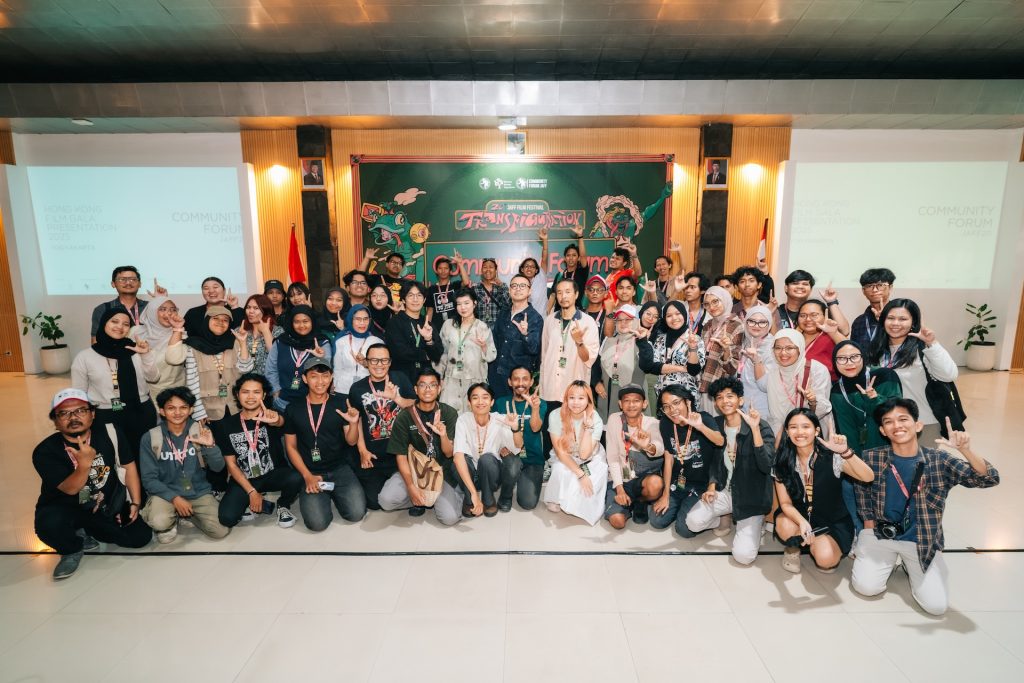
The community forum concluded with laughter and warm exchanges, as Man Lim Chung, Mandrew Kwan, Quist Tsang, and Ivan Cheung gathered outside for a group photo with students, bringing the event to a perfect end. JAFF is not merely a place to screen films, but a platform that truly fosters cross-cultural exchanges.


Please contact us if any questions,
Email: info@afa-academy.com
Tel: +852 3195 0608
Website: www.afa-academy.com

Latest News
19th Asian Film Awards Featured Programme AFA19 programme features eight Hong Kong premieres, Q&As with Asian film talents, and In Conversation with worldclass filmmakers.
19th Asian Film Awards Kick Off! First Round of Programme Ticket Sales! AFAA programme features HWANG Dong-hyuk, creator of Squid Game; JIA Zhangke, whose works have been selected for major film festivals; and legendary actress ZHANG Ziyi.
Together We Dare to Reimagine: Sparking New Perspectives in Singapore The Hong Kong Film Gala Presentation wraps up in Singapore, from heartfelt post-screening conversations and industry networking to cutting-edge tech tour, with connections growing beyond the cinema
Another World Creators Visit Top Singapore Arts College: A Seven-Year Visual Odyssey of the Soul 2025 Touring Showcase Concludes in Singapore: HK and Singapore Filmmakers Deepen Cultural Dialogue Across Campuses and Cinemas
From Cinema to Campus: Hong Kong Filmmakers in Close Dialogue with Phnom Penh Audiences The Hong Kong Film Gala Presentation concluded successfully in Phnom Penh, with directors Jonathan Li, Chou Man Yu, and actress Renci Yeung, visiting cinema and campuses to share their experiences.
IFC 2024-funded short Catching Alternative selected for competition at Chile’s FIXION Fest and shortlisted in HiShorts! Narrative Competition (Top 70) Director CHEN Yun’s folk-inspired genre storytelling expands its festival footprint, reaffirming IFC’s mission to support emerging filmmakers
A Series of Post-Screening Q&As in Yogyakarta Highlights Dialogue Across Generations of Hong Kong Filmmakers Ann Hui and Man Lim Chung join emerging Hong Kong filmmakers in sharing their creative journeys with Indonesian audiences
Hong Kong Film Gala Presentation Arrives in Yogyakarta: How Can Cinema Connect the World? Filmmakers across Asia gather at “Hong Kong Night” and the JAFF Market, Ann Hui and Robin Lee engage with the media to reflect on creation, perseverance, and the many faces of Hong Kong
Community Forum: Entertainment and Social Realism Coexist in Contemporary Hong Kong Cinema Four Hong Kong Filmmakers Share the Golden Era and Future Outlook of Hong Kong Cinema with Local Students and Cinematheque in Yogyakarta
Ann Hui Masterclass: “If You Only Want to Make Money, Don’t Be a Director” Hong Kong Film Gala Presentation Returns to Yogyakarta, Showcasing the Legacy and Innovation of Hong Kong Cinema

web design by HKWEB