Hong Kong Film Gala Presentation Arrives in Yogyakarta: How Can Cinema Connect the World?

Filmmakers across Asia gather at “Hong Kong Night” and the JAFF Market, Ann Hui and Robin Lee engage with the media to reflect on creation, perseverance, and the many faces of Hong Kong
15 January 2026

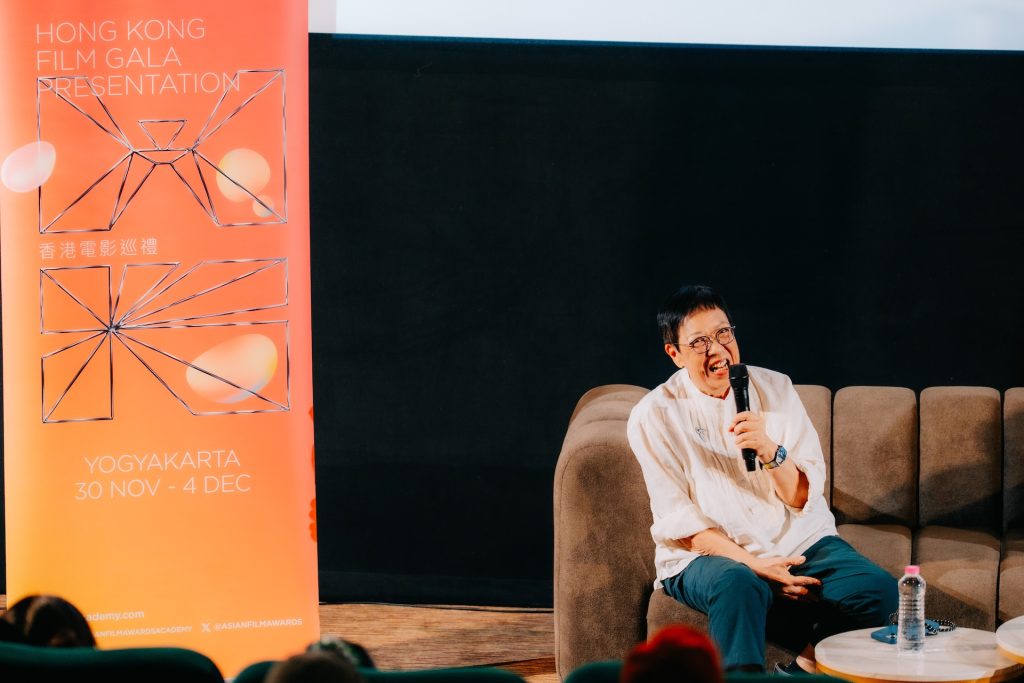
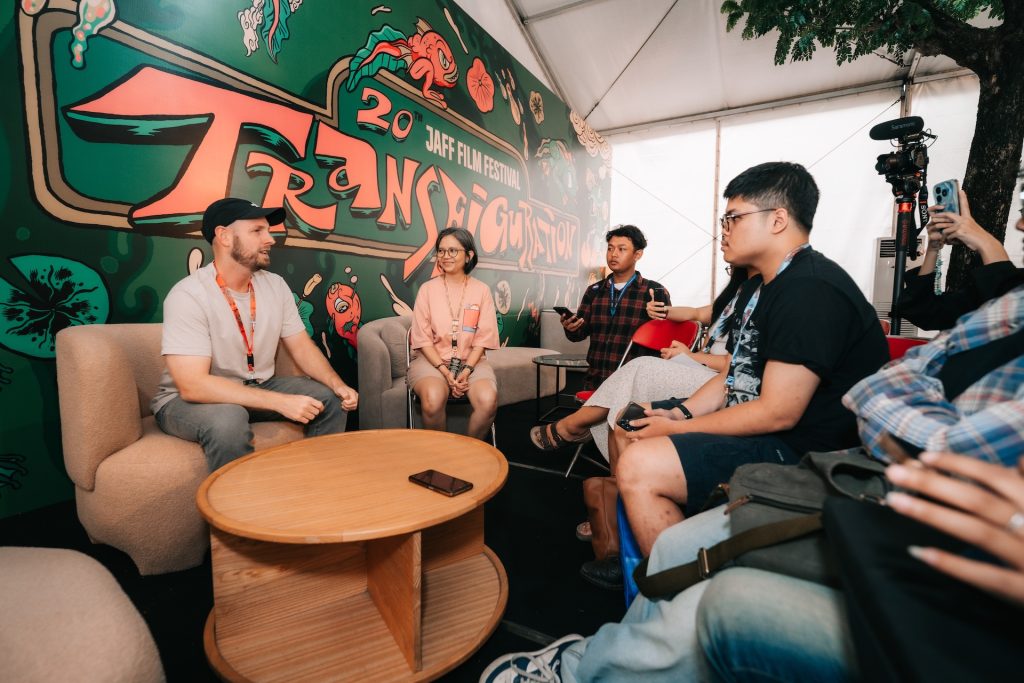
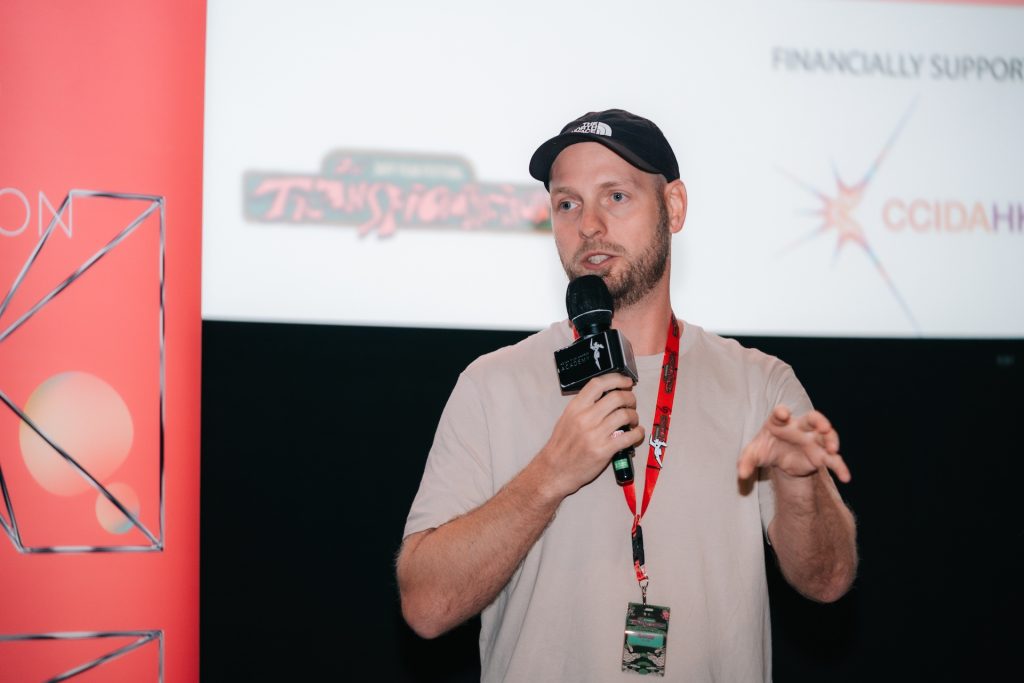
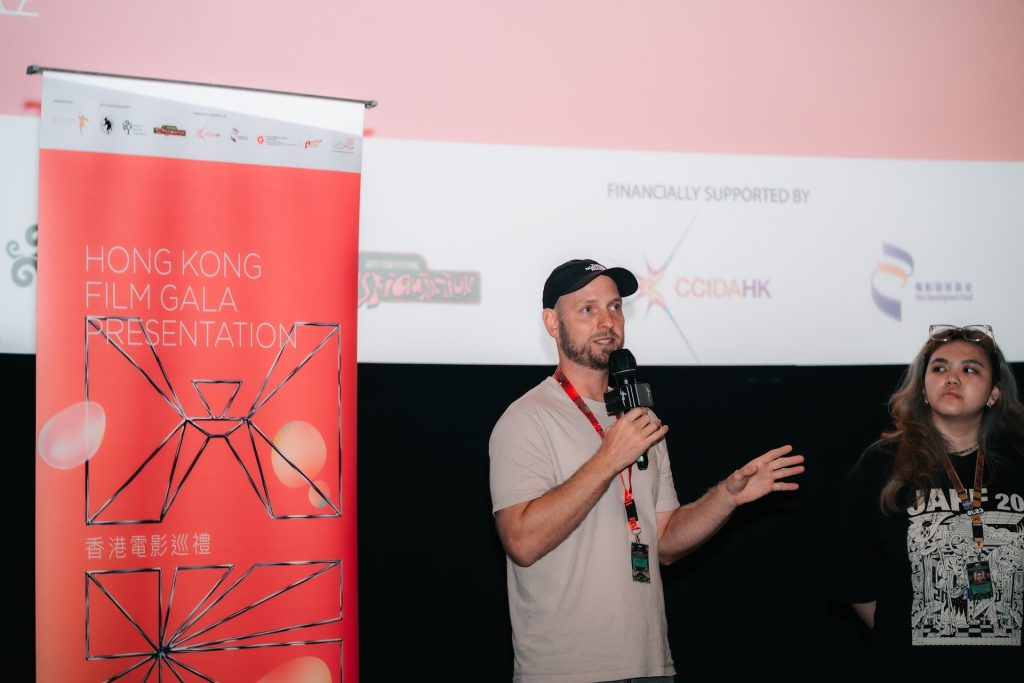
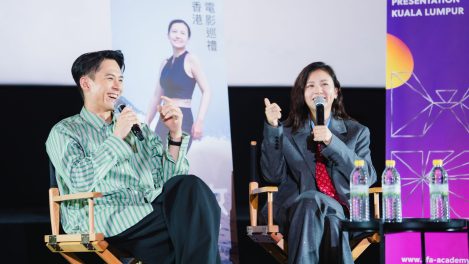
“I never thought that I would make a film that could connect me with so many people around the world.” Robin Lee, director of Four Trails shared his thoughts while attending the Hong Kong Film Gala Presentation in Yogyakarta, organized by the Asian Film Awards Academy, where he spoke with local media about his creative journey and filmmaking experience.


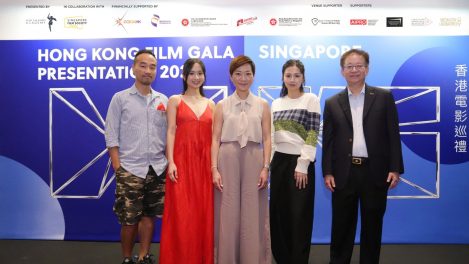
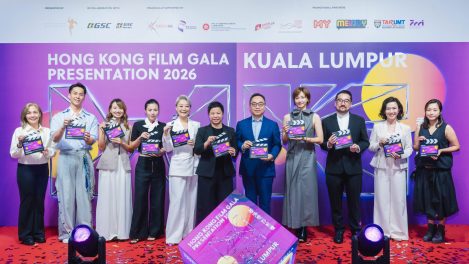
The Hong Kong Film Gala Presentation – Yogyakarta, presented by the Asian Film Awards Academy (AFAA) and in collaboration with the Jogja-NETPAC Asian Film Festival (JAFF), is funded by the Cultural and Creative Industries Development Agency (CCIDA) and the Film Development Fund, with support from the Hong Kong Economic and Trade Office (HKETO) in Jakarta.


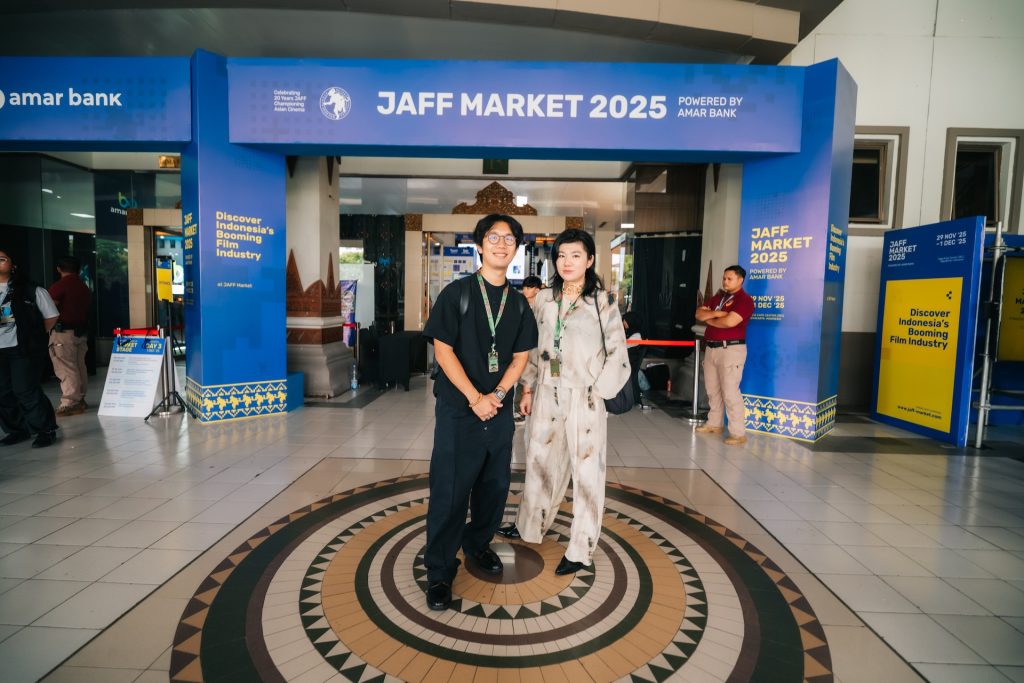
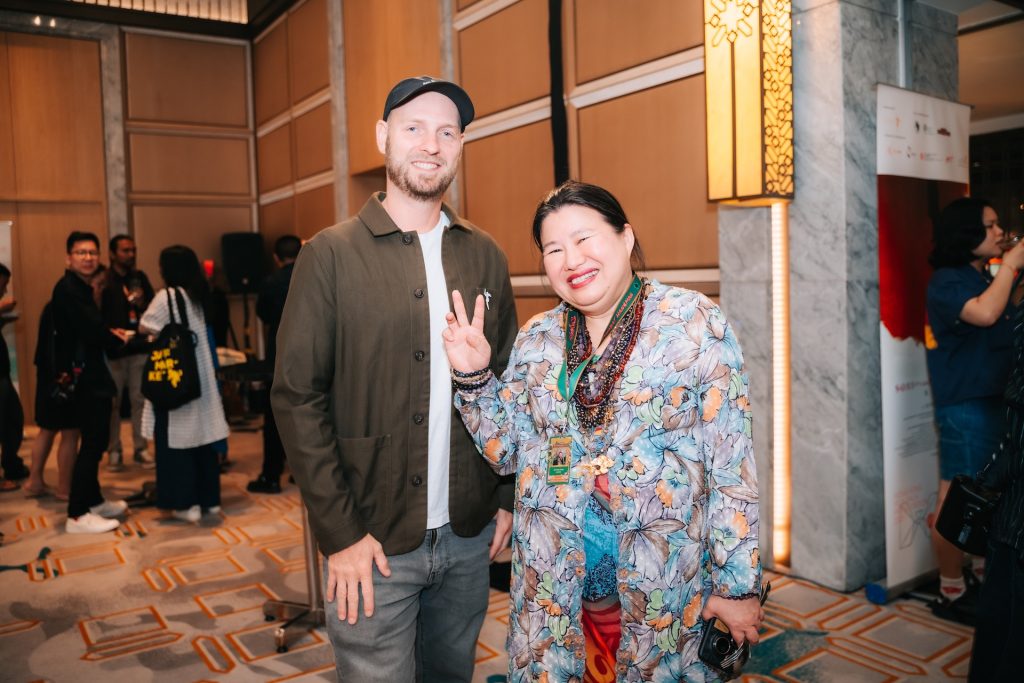
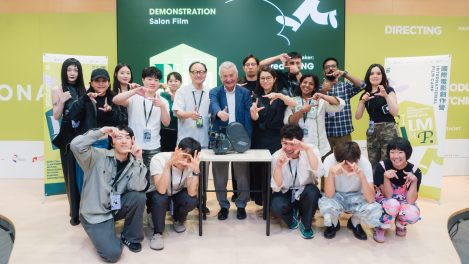
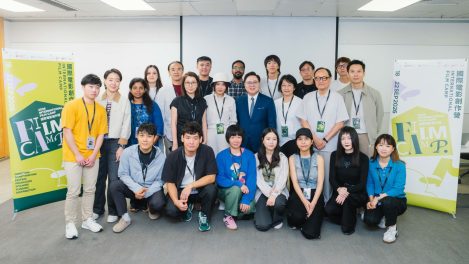
In addition to a series of screenings and talks that fostered cultural exchange, the event placed strong emphasis on industrial connections. Hong Kong filmmakers participated in multiple interviews with local media and actively engaged with industry professionals during “Hong Kong Night” and at the JAFF Film Market.

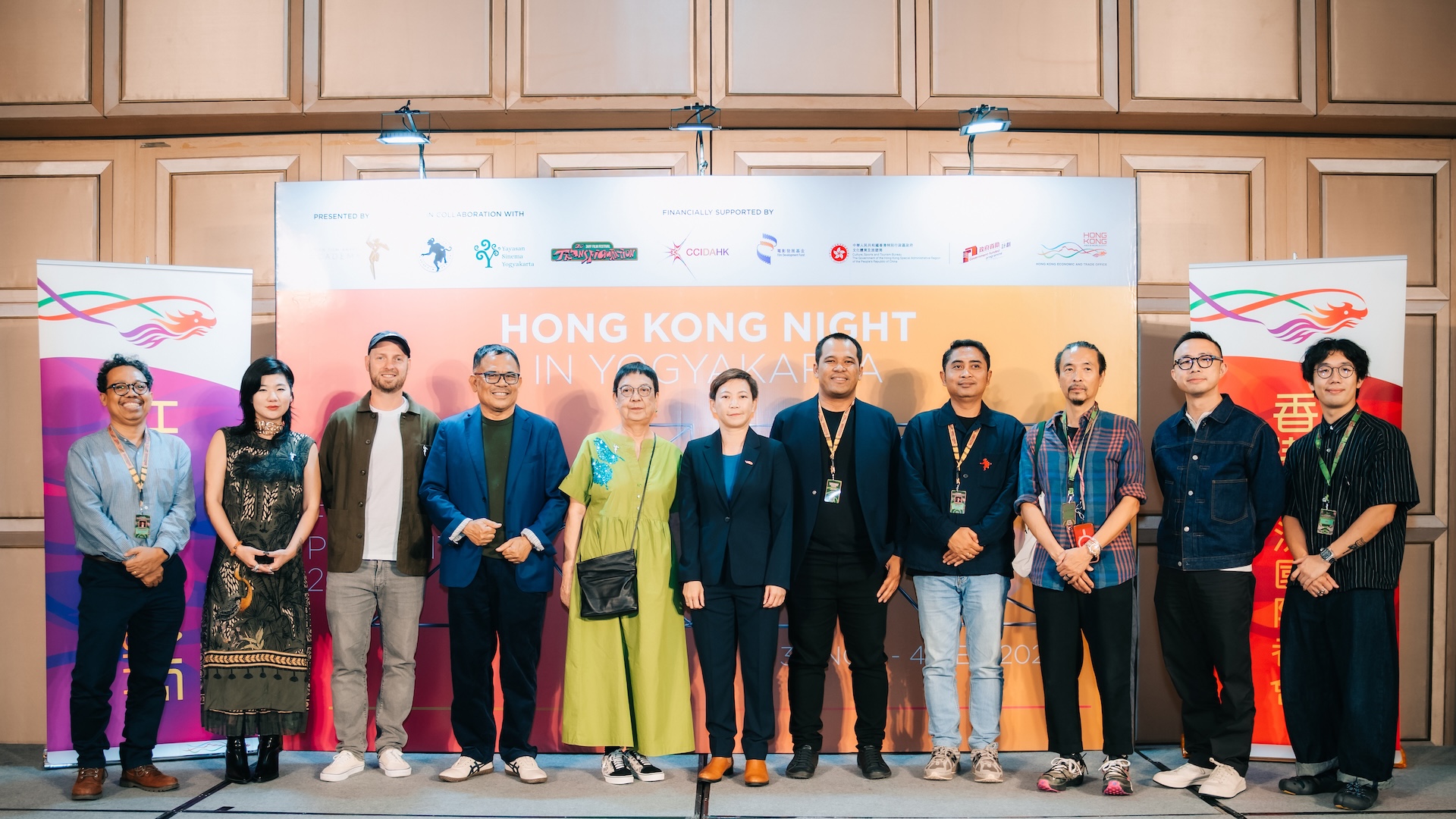
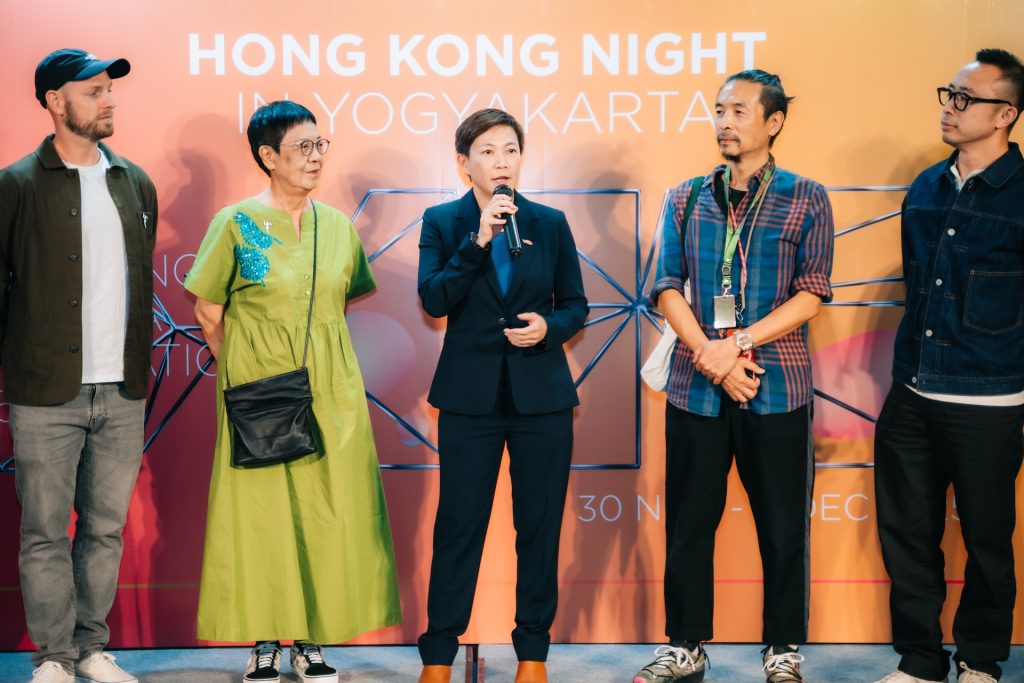
At the Hong Kong Night reception, Director-General of HKETO Jakarta, Miss Libera Cheng, highlighted the HKSAR Government’s commitment to promoting Hong Kong’s film industry by actively supporting Hong Kong films and filmmakers to take part in international film festivals.


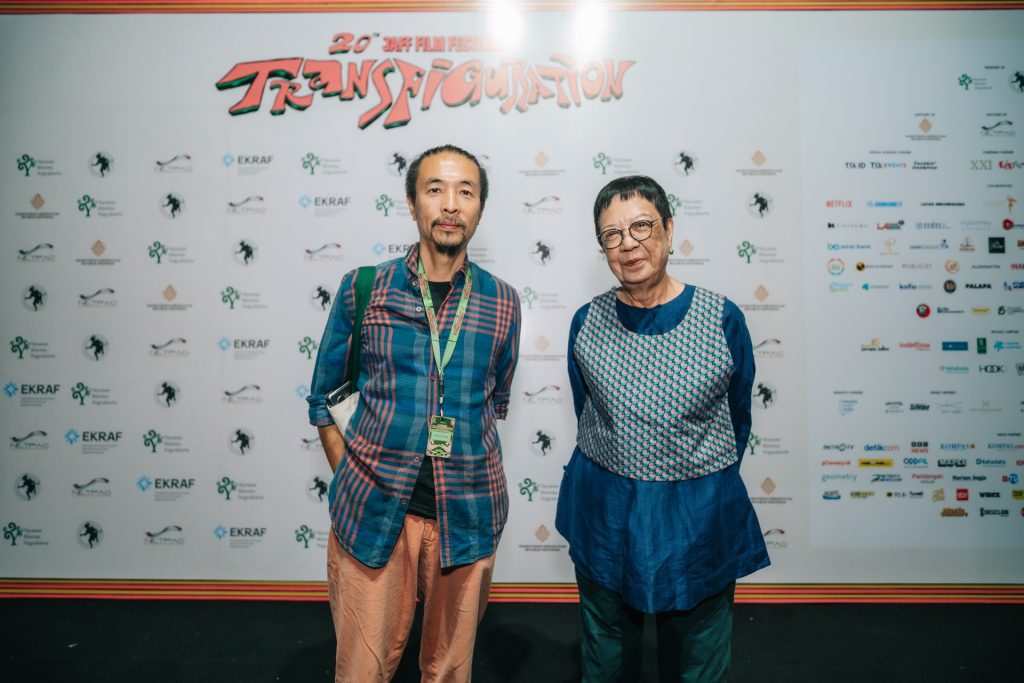
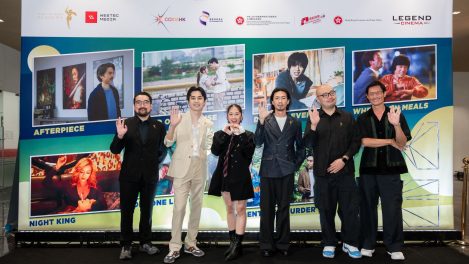
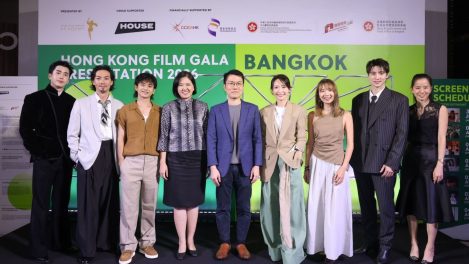
The reception was attended by Hong Kong director Ann Hui, art director Man Lim Chung, still photographer Quist Tsang, emerging directors Mandrew Kwan and Ivan Cheung, alongside Mr. Garin Nugroho, Founder of JAFF; Mr. Ifa Isfansyah, Chairman of JAFF; and Mr. Ajish Dibyo, Executive Director of JAFF, as well as emerging filmmakers from across the region.

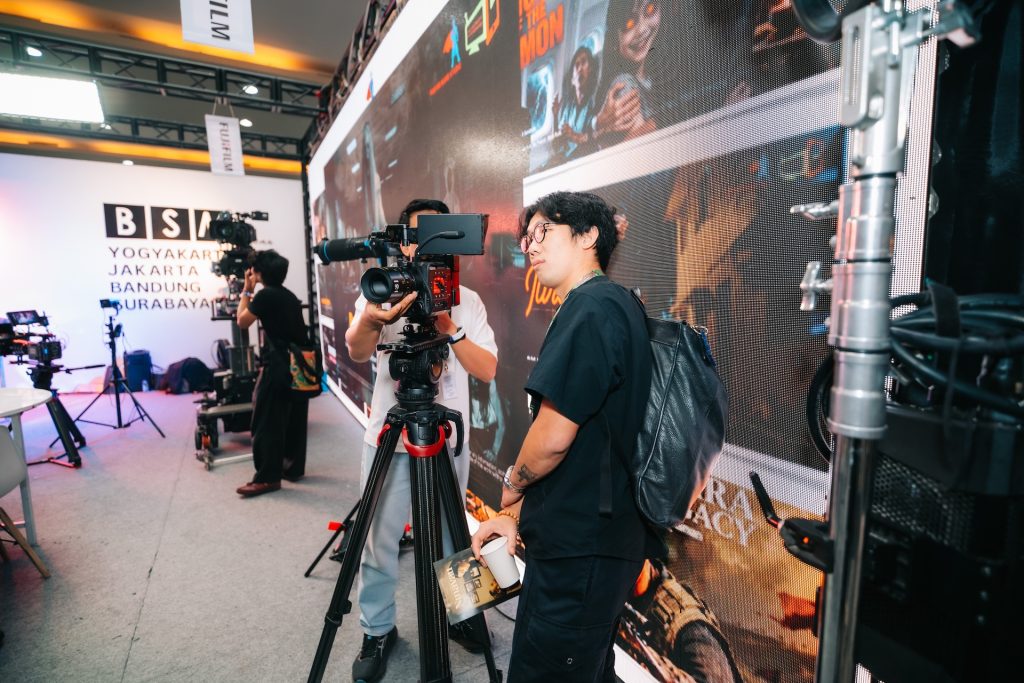
Quist Tsang, Mandrew Kwan, and Ivan Cheung also spent time at the JAFF Film Market, engaging in in-depth discussions with local production companies and distributors to explore co-production opportunities. While visiting booths of camera equipment companies, Mandrew Kwan and Ivan Cheung learned that some productions shot in Jakarta may be eligible for tax refunds, and shared insights about funding support available to certain Hong Kong films shot overseas, sparking lively exchanges. The filmmakers remarked on the warmth and enthusiasm of Indonesian audiences and expressed their delight in connecting with them. 

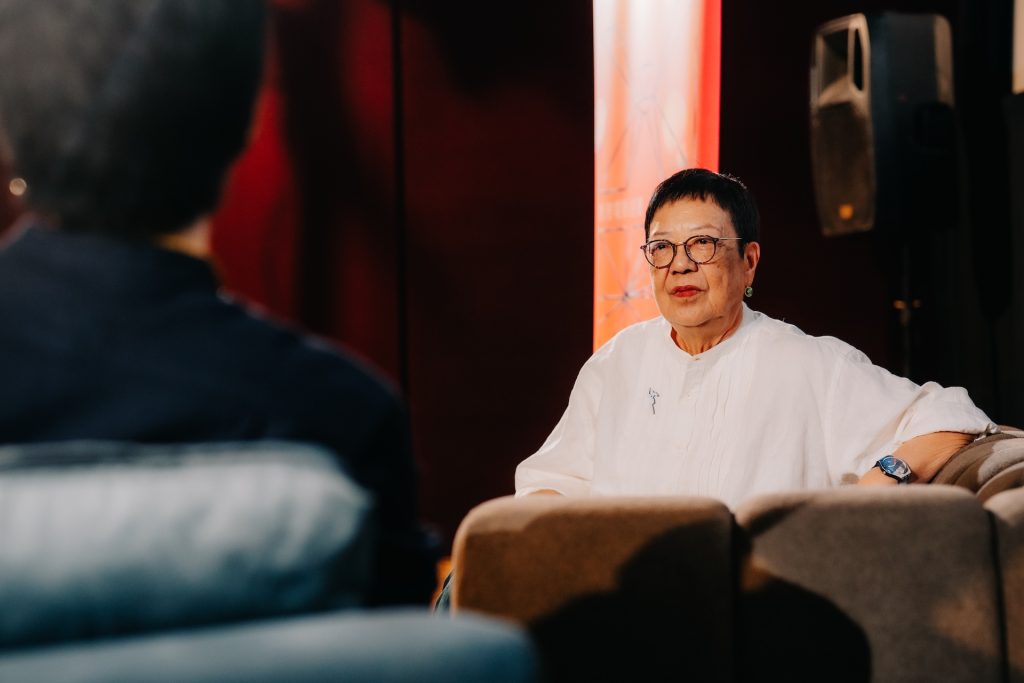
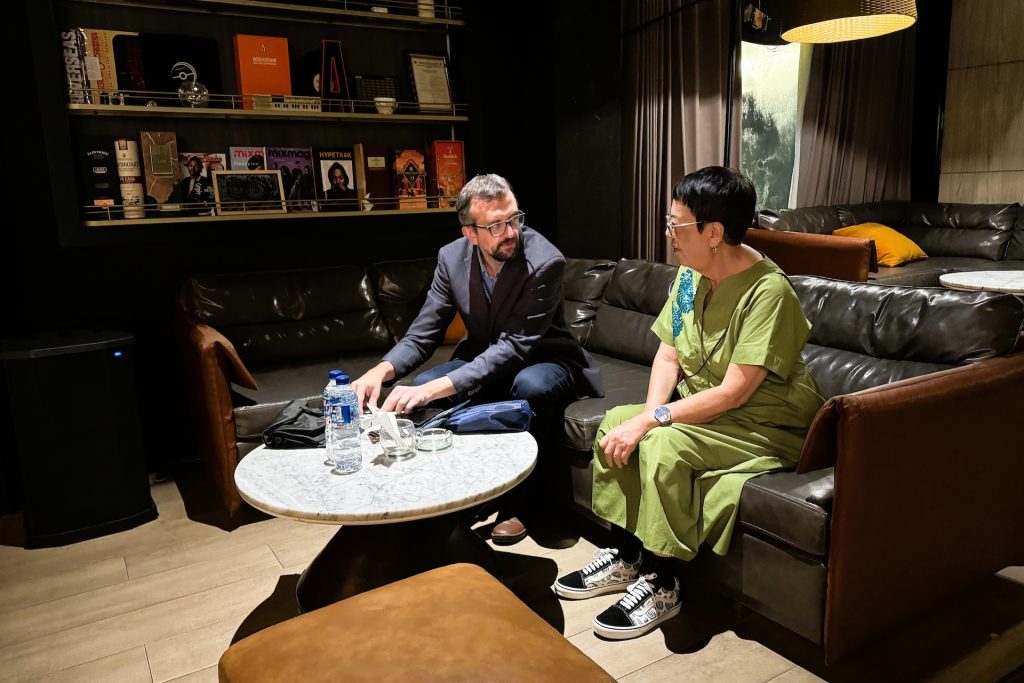
Ann Hui candidly shared that what has supported her throughout her career has never been fame or box office success, but a simple and pure motivation — to continue making films, during her media interviews in Yogyakarta.


“I try to overcome any kind of difficulties. As long as I can hold a camera and shoot, I will shoot,” she said. For Ann Hui, financial conditions of filmmaking have rarely dictated her decisions. She has completed multiple projects with almost no budget, often choosing to allocate limited funds to support her crew rather than securing a director’s fee for herself. She added, “If I really like the project enough, even if I do not earn money, if I can get by, I will shoot it.”


Ann Hui reflected on how her creative considerations have shifted over time. While her early films were made primarily for personal expressions, she feels responsible for the audience as well. “I want to make a film which has relevance to what the audience feels, not only for my own satisfaction,” she explained, noting that the greatest challenge today lies in finding subjects that remain meaningful both to her and to people she wants to reach.


Recalling her invaluable experience working in television productions, Ann Hui described that period as a vital foundation of her artistic journey. Many of those works captured footages of traditions and street life that have since vanished, remaining irreplaceable cultural records over the years. “Looking back now, those images are incredibly precious,” she said.

Addressing the current status of Hong Kong cinema, Ann Hui acknowledged that the industry is experiencing one of its lowest cycles, but she insists that such shifts are inevitable. “ Good things and bad things come in cycles.” She spoke frankly that cinema is a luxury in society compared to the necessity of doctors, nurses, and teachers. “You do not need cinema to survive,” she stated with realism.


Although Ann Hui has directed films of varying scales, Ann Hui admitted that larger or Mainland China-funded projects have not always been comfortable. Larger budgets bring higher risks for investors and naturally increase oversight from them, and she respects that responsibility. “They have much more at stake. I have to listen more to what they think the film needs.” However, she noted that too many opinions may compromise the essence of filmmaking. Given a choice, she prefers smaller productions, where trust matters more than supervision.


When asked about actors who stand out to her, Ann Hui expressed deep respect for every actor she has worked with. Speaking of Chow Yun Fat, whom she directed before his rise to stardom, she smiled and said, “He is a nice person and a very good actor.”


Currently, Ann Hui is preparing a television series in collaboration with two other directors. She is honest about her physical limits. “I don’t think I can work nonstop for months anymore.” Yet, she has never considered stopping. Her passion for filmmaking remains undiminished, and she has no regrets in her mindset. “If there is a project I do not get to do, I will do it the next one.”


At festivals like JAFF, Ann Hui said what she values most is the focus on watching films and creative exchange. Red carpets, jewelry, and celebrity culture may be fun, but they are distractions. “The beginning and end is filming itself,” she said, reaffirming her commitment to keeping focus on what truly matters.

Director Robin Lee also spoke extensively with local media about the long creative journey behind his documentary Four Trails, describing it as “my own version of Four Trails.” He revealed that the project took nearly five years to complete and was made entirely without investor support. “This was a passion project between my brother and me, no one asked us to make it,” he said. “That’s why we had to balance our daily jobs while continuing to work on the film.”


Robin Lee said that filming took approximately four to six months, including periods of staying awake for three consecutive days and nights. Due to juggling multiple projects, post-production alone took two years. “My emotions were like a roller coaster,” he admitted. “Sometimes I asked myself, ‘Why am I doing this?’ And a few days later I’d think, ‘This is amazing—this is my Four Trails.’”


When asked about the biggest challenge in filming Four Trails, Robin Lee said it was not technical, but emotional balance. While closely following runners through Hong Kong’s four trails, the crew had to build trust while maintaining distance. “They knew who we were, so the camera didn’t interfere, but we still had to control ourselves and keep emotional boundaries.”


He also shared the unpredictability of documentary filmmaking. “I might film someone at the 20-kilometre mark and not see them again until 120 kilometres later. I have no idea what happened to them in between.” The most emotionally overwhelming moment, he said, was when runners crossed the finish line. “At that moment, all the emotions pour out. Even now, thinking about it still gives me goosebumps.”


Robin Lee emphasized that the power of this film lies not in how tough the route is, but in the story of ordinary people attempting an extraordinary challenge. “They’re not professional athletes. They’re just ordinary people, like you and me.” Through Four Trails, he hopes to show a obscure side of Hong Kong. “For me, it’s a way of showing my home from a different perspective.”

Robin Lee also shared that he never expected his film to resonate with audiences around the world, which came as a pleasant surprise. He described himself as still relatively new to Hong Kong’s film industry. Before doing Four Trails, he was making short documentaries and commercial projects. “This film was sort of just really wanted to make a film, and I wanted to take the experience I had from filming adventure films around the world to Hong Kong,” he noted that sports adventure films rarely existed in Hong Kong before Four Trails, and that the documentary fills the gap.


Speaking about how Hong Kong’s diverse landscape help the local film industry, Robin Lee emphasized that Four Trails relies heavily on the city’s landscape. “ When you show someone a photo of Hong Kong, the photo they see is the dense cityscape that’s like the image everyone has. But I was born and raised in Hong Kong, and I love being in the mountains. The image that I see of Hong Kong is from the mountains looking down.” He hopes audiences will see the striking contrast between the city and the mountains existing right by each other. “I love filming in Hong Kong, and I love filming the mountains, so this is a great opportunity to combine both.”


On balancing personal stories, the race itself, and Hong Kong’s landscapes in Four Trails, Robin Lee stated that human stories are the backbone of the film. “The landscape is just secondary. What matters most is all about telling their stories.” During filming, he constantly considered when and where he could interact most meaningfully with the runners, and how to showcase Hong Kong’s natural beauty.


He described the balance as something that emerged organically rather than being deliberately planned. “At the end of the day, it just came down to what I felt right. It was like this is just what feels good to me, and this is the direction I want to go in,” he added.


Please contact us if any questions,
Email: info@afa-academy.com
Tel: +852 3195 0608
Website: www.afa-academy.com

Latest News
Hong Kong Film Gala Presentation Arrives in Yogyakarta: How Can Cinema Connect the World? Filmmakers across Asia gather at “Hong Kong Night” and the JAFF Market, Ann Hui and Robin Lee engage with the media to reflect on creation, perseverance, and the many faces of Hong Kong
Community Forum: Entertainment and Social Realism Coexist in Contemporary Hong Kong Cinema Four Hong Kong Filmmakers Share the Golden Era and Future Outlook of Hong Kong Cinema with Local Students and Cinematheque in Yogyakarta
Ann Hui Masterclass: “If You Only Want to Make Money, Don’t Be a Director” Hong Kong Film Gala Presentation Returns to Yogyakarta, Showcasing the Legacy and Innovation of Hong Kong Cinema
Ride Your Horse from IFC 2024 selected for Clermont-Ferrand’s International Competition A major milestone that brings the film into the world’s most influential short-film festival — with eligibility for the Oscars, César Awards and European Film Awards
Journey to the Fest: Student Visit to the 38th Tokyo International Film Festival The Journey to the Fest programme took students to Tokyo, Japan, where they participated in post-film talks, industry panels, and networking events, connecting with filmmakers from around the world
Hong Kong Film Gala Presentation – Yogyakarta’s Second Adventure with “Together We Dare to Direct” AFAA Meets Jogja-NETPAC Asian Film Festival again — Ann Hui Masterclass, Nine films and Short Films Roadshow to Celebrate Hong Kong Cinema
Hong Kong Film Gala Presentation Celebrates Fifth Edition in Dubai ANSONBEAN, Chan Tai Lee, and Chou Man Yu Meet Dubai Audiences, Sharing Fresh Perspectives on Hong Kong’s Creative Landscape
IFC 2024 Short Catching Alternative Honoured with First Prize at Golden Rooster Project Market Winning in the Public Submission Section, director CHEN Yun impresses with a folk-inspired story that highlights IFC’s mission to support emerging filmmaking talent.
Hong Kong Film Gala Presentation Concludes Successfully in Vietnam — AFAA Showcases the Power of Hong Kong Cinema Sammo Hung and Louis Koo Shine at the Grand Opening Night as Over 500 Guests and Fans Celebrate the Spirit of “Together We Dare to be Powerful”
Hong Kong Filmmakers Share Insights in Jakarta Through Dialogue and Collaboration From Masterclasses to “Hong Kong Night,” Industry Events Strengthen Creative Ties Between Hong Kong and Southeast Asia

web design by HKWEB