
Singapore
Singapore Film Society
Singapore
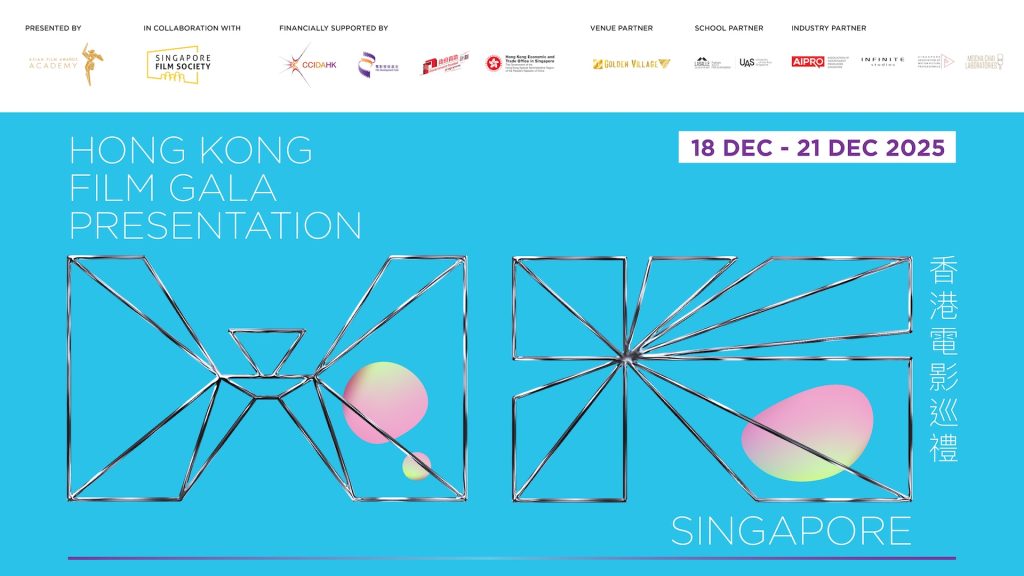
Date: 18 December – 21 December 2025
Location: GV Suntec City, Singapore
Guest: Rosa Maria Velasco, Tommy Ng Kai Chung, Chan Gin Kai, Tam Wai Ching
Screening: Another World, Golden Boy, Someone Like Me, Good Game, Paws Land, My Life as McDull
Partner: Singapore Film Society (SFS)
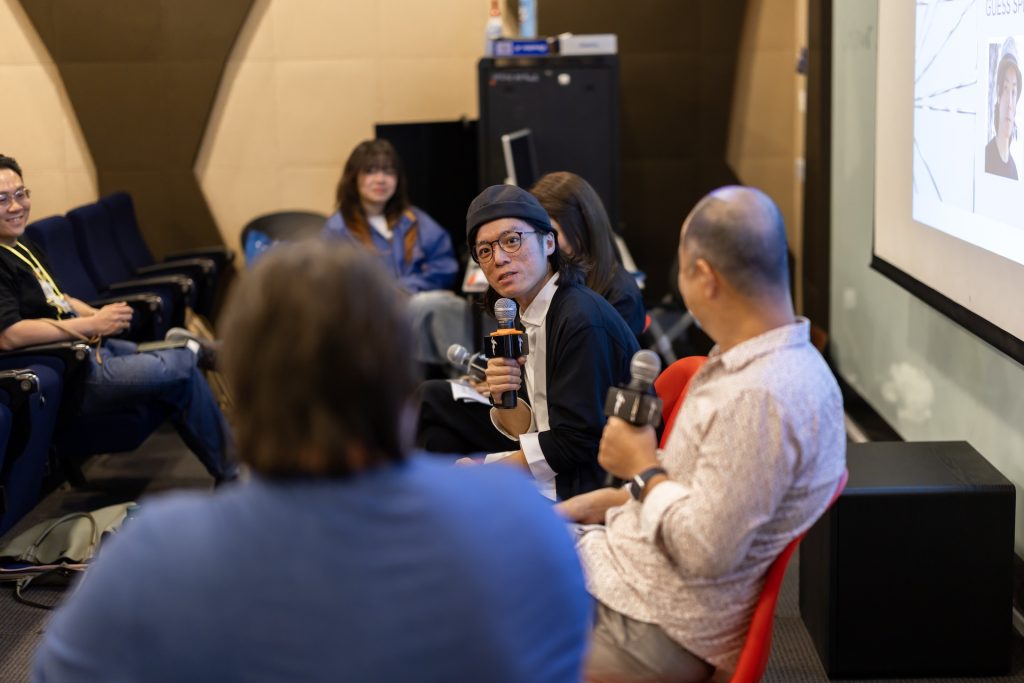
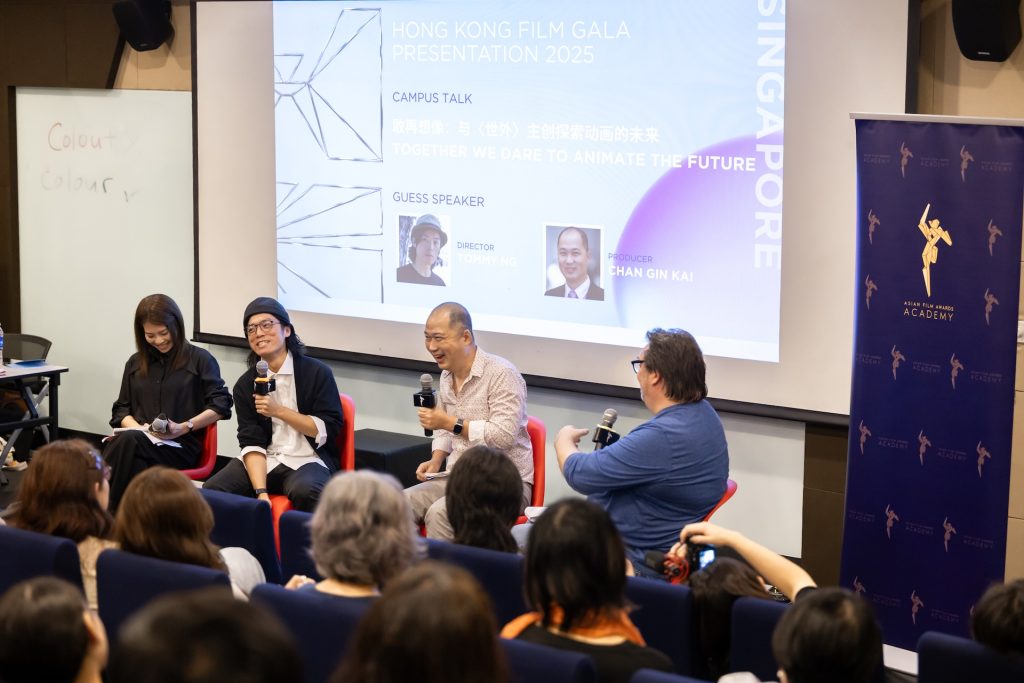
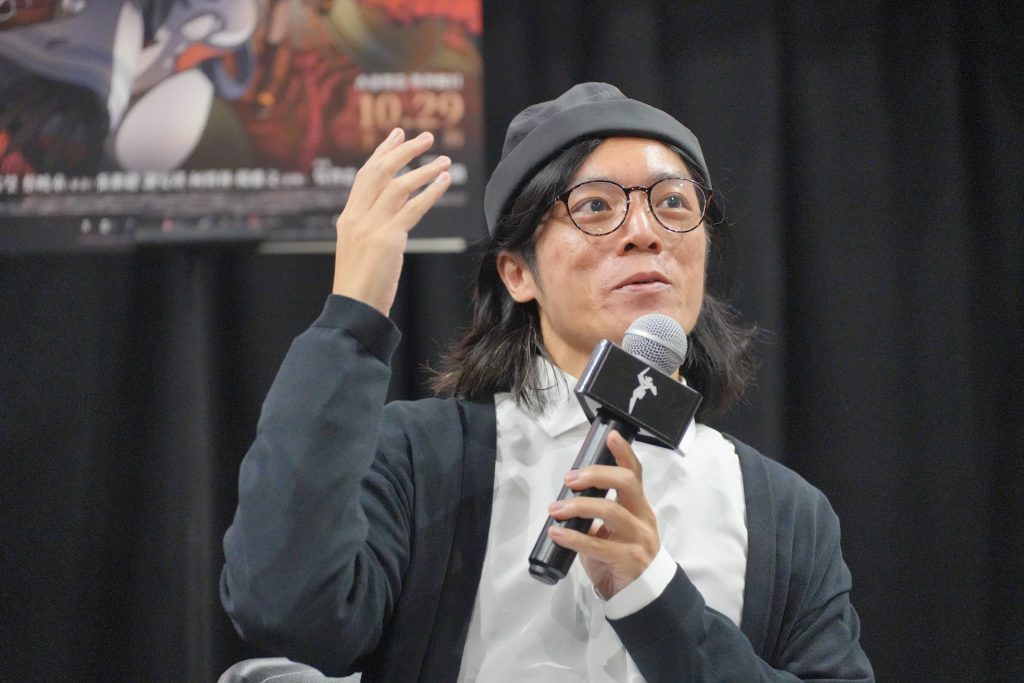
“The most captivating part of animation lies in its power to break the physical limitations of live-action films, constructing a world of the soul entirely driven by creativity.” In a lecture hall at LASALLE College of the Arts, Tommy Ng Kai Chung, director of Another World, spoke these resonant opening words. Below the stage were rows of young faces—some on the brink of embarking on their creative journeys, others still searching for stories they could truly believe in. In that moment, animation was no longer merely a technique or a form, but a conviction earnestly held.
Organized by the Asian Film Awards Academy (AFAA), the “Hong Kong Film Gala Presentation – Singapore” officially kicked off on December 18. As the grand finale of the 2025 touring showcase, this edition brought Hong Kong films to cinemas and campuses across Singapore, also presenting audiences with the questions, struggles, and perseverance behind the creative process. Under the theme “Together We Dare to Reimagine,” the program showcased Hong Kong cinema’s boundless creativity and imagination with Singapore.
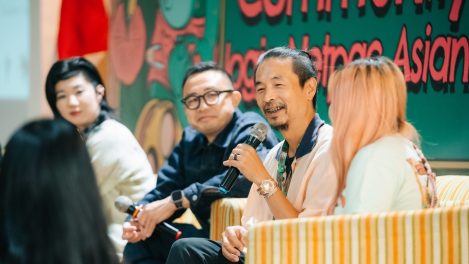
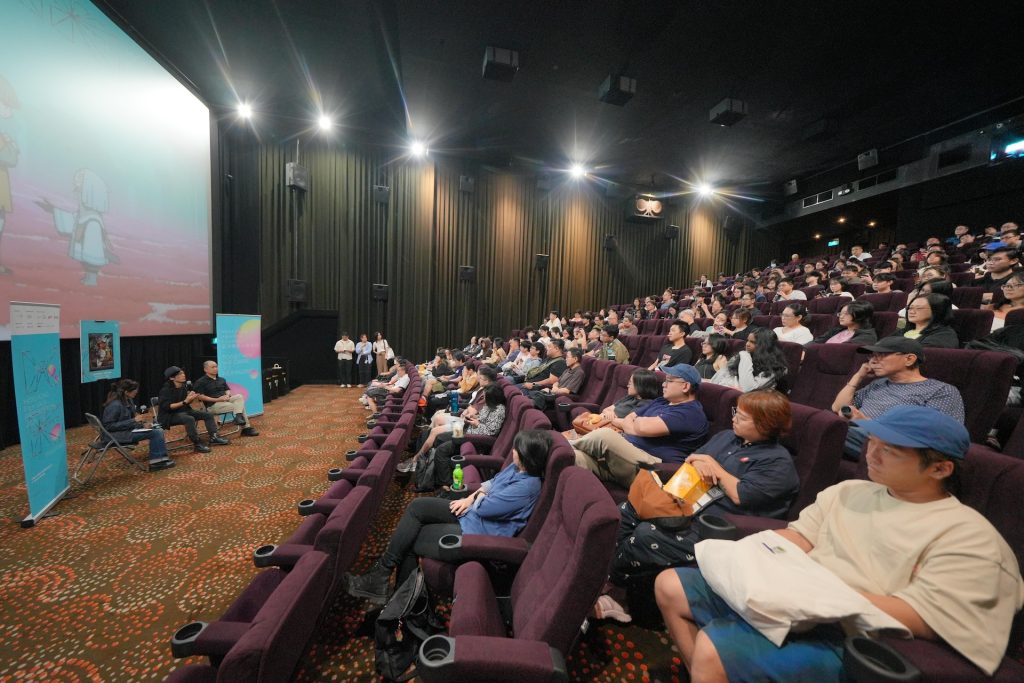
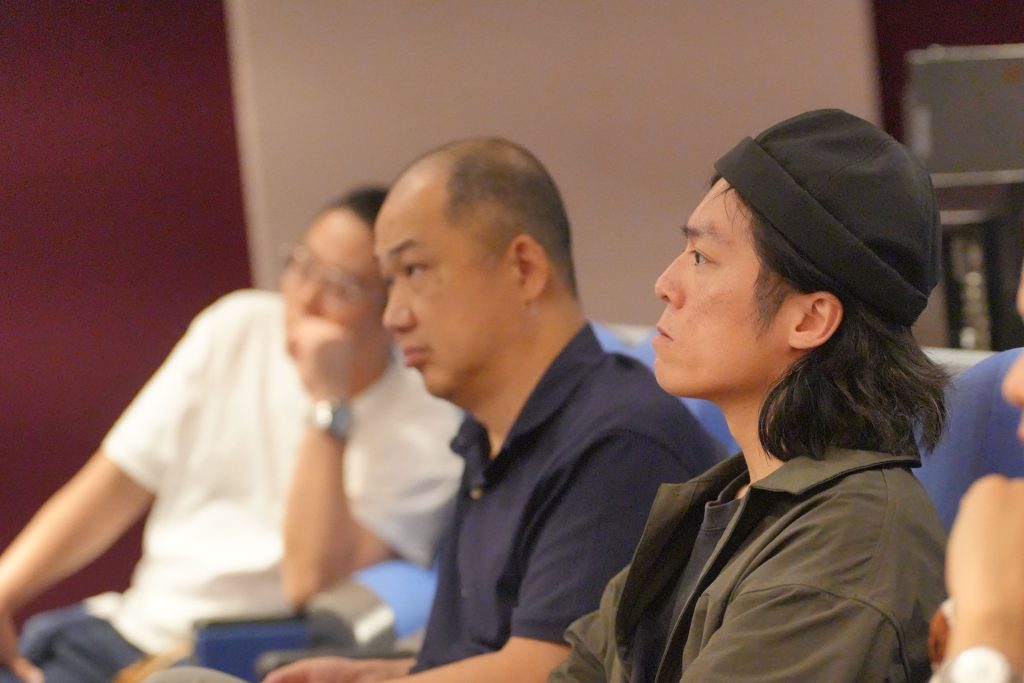
The campus talk, titled “Together We Dare to Animate the Future,” was held at LASALLE College of the Arts, one of Southeast Asia’s leading arts institutions. Chris Shaw, Head of the Puttnam School of Film & Animation, moderated a two-hour creative exchange featuring Another World director Tommy Ng Kai Chung and producer Chan Gin Kai. The discussion spanned the technical evolution of animation, the intricacies of world-building, and survival strategies in the industry, offering students an inspiring professional perspective.
Tommy Ng shared the journey behind his record-breaking animated masterpiece, a project seven years in the making. During the lecture, he noted: “Live-action films are often limited by budgets, physical environments, and even the physical stamina or facial expressions of actors. In the world of animation, those barriers vanish. We can use color saturation and a unique visual pacing to precisely convey abstract emotions like life, death, obsession, and self-forgiveness. For seven years, we experimented with how to use brushstrokes to soothe the regrets within the soul.”
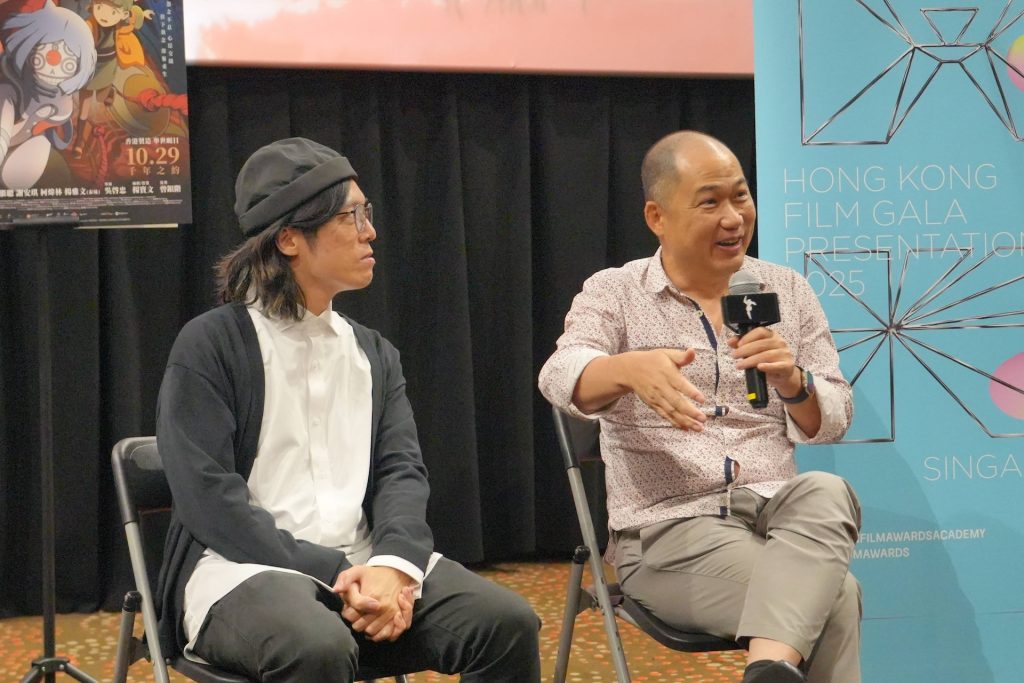
Chan Gin Kai, a veteran Singaporean film producer, shared the industrial logic behind the work. He pointed out that the international success of Another World—including its Golden Horse win and Annecy International Animation Film Festival selection—serves as a prime example of successful Hong Kong-Singapore collaboration. He remarked: “The success of this film proves that by breaking regional boundaries and combining Singapore’s production strength with Hong Kong’s narrative energy, we can create cinematic gems capable of competing on the global stage.”
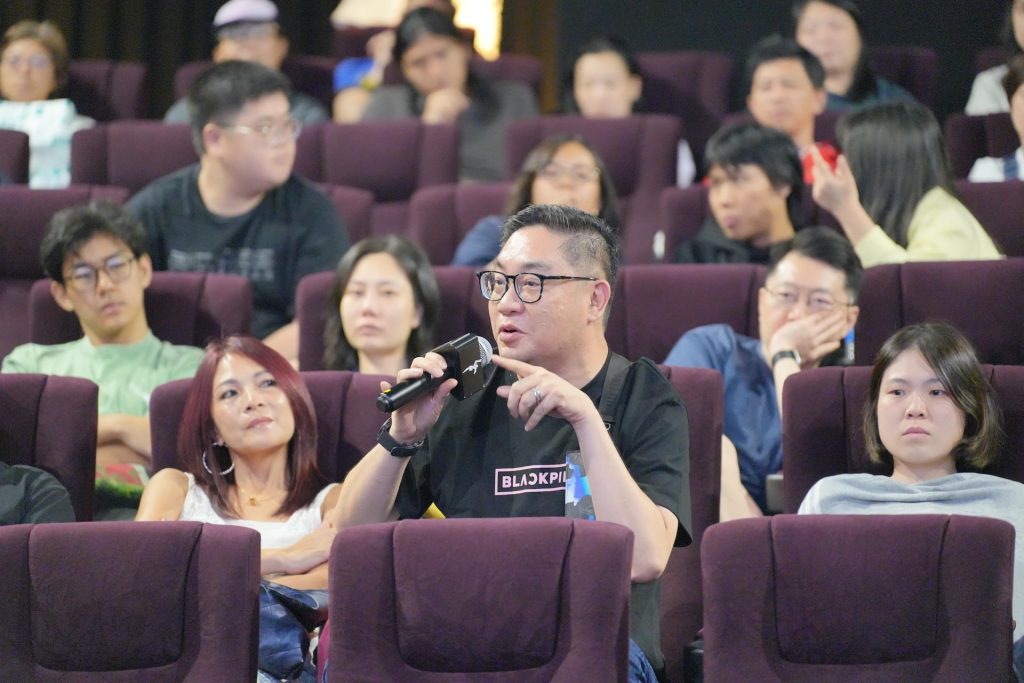
During the Q&A session, students raised insightful questions regarding technical integration—such as blending 3D action with a 2D hand-drawn aesthetic—as well as how to maintain motivation over a long production cycle. Tommy Ng offered a sincere response: “The most important thing is to believe in your script. If the creators do not believe in the story themselves, they will surely give up halfway. We endured those seven years because everyone on our team believed this film could touch the soul.” Chan Gin Kai added that balancing art and commerce is a mandatory lesson for all filmmakers, emphasizing the need to maximize creative value within limited resources.
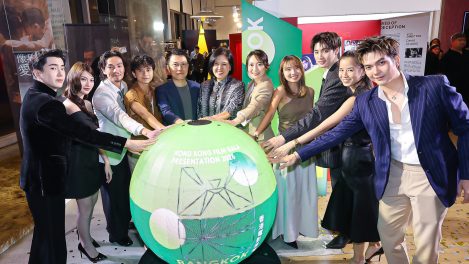
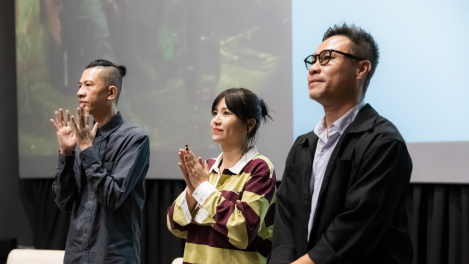
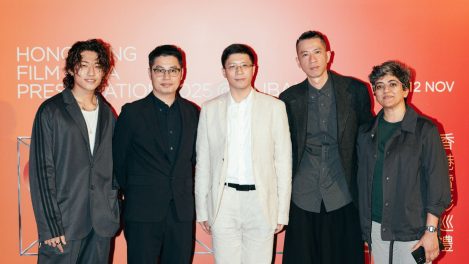
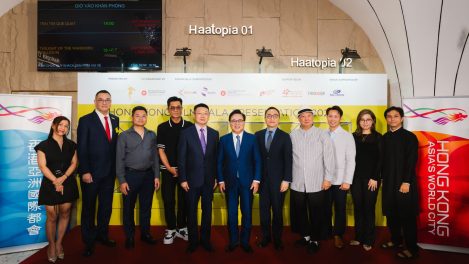
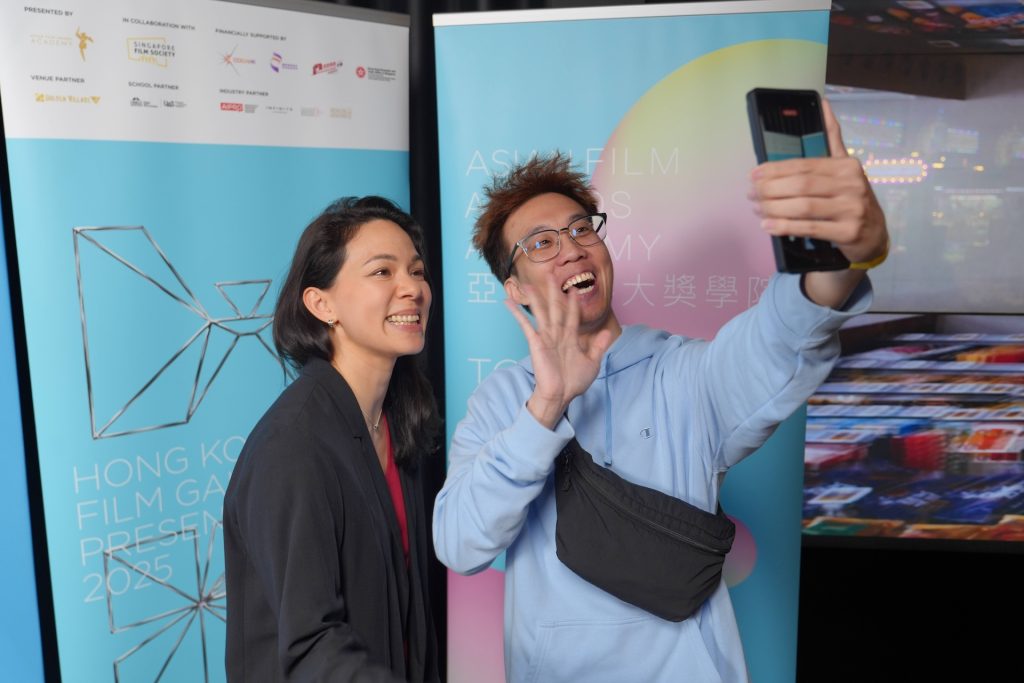
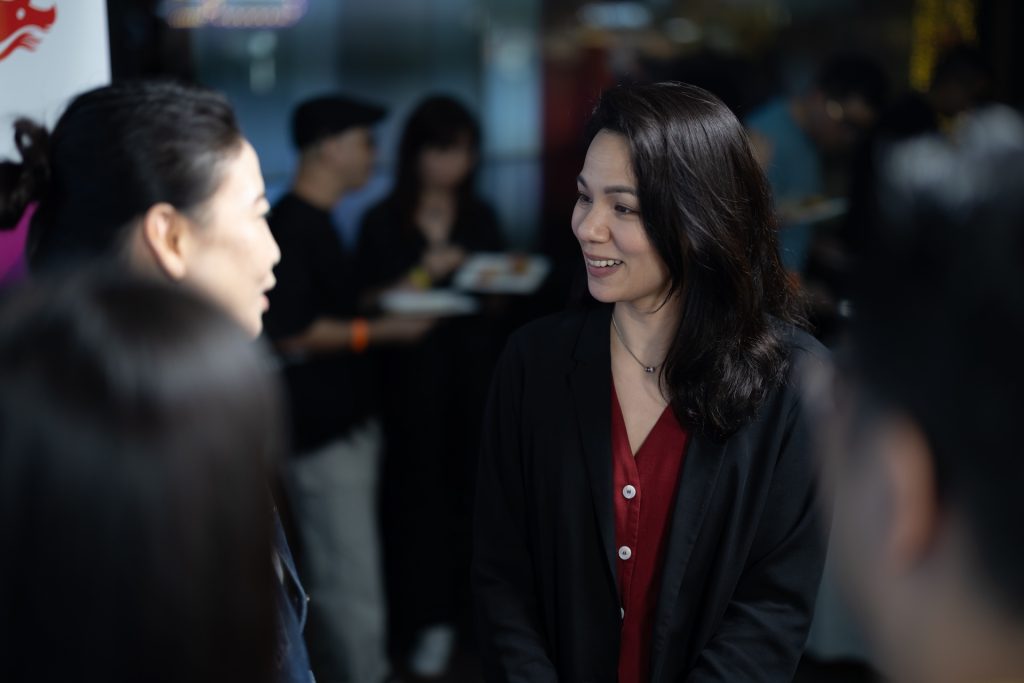
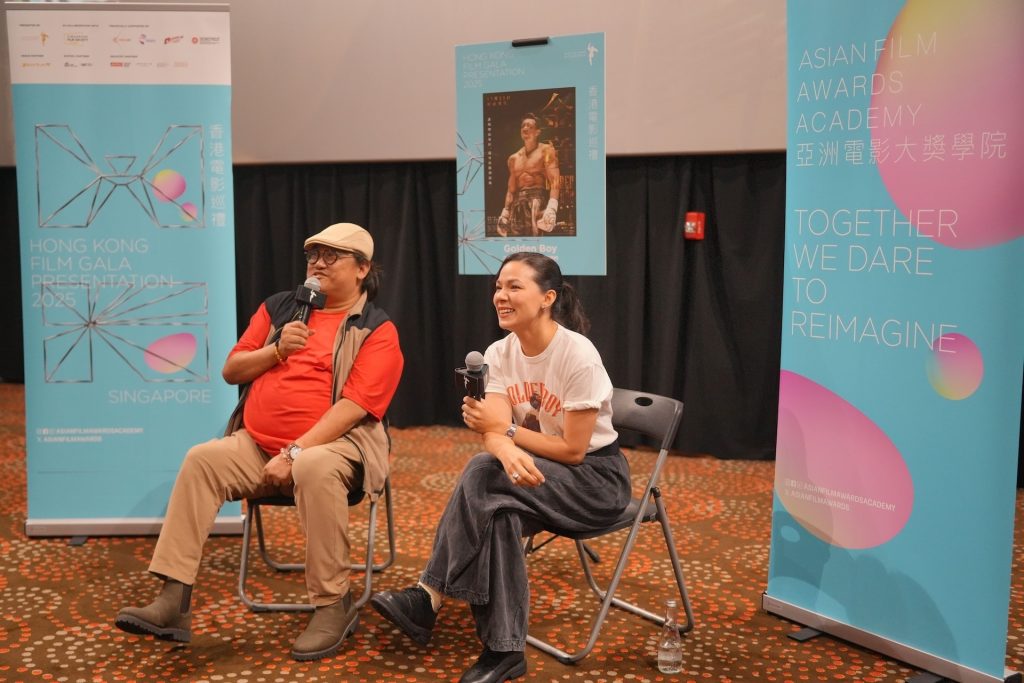
Following the campus talk, the Opening Ceremony was held at Golden Village Suntec City (GV Suntec). The three guest filmmakers from Hong Kong—Tommy Ng, Chan Gin Kai, and Golden Boy lead actress Rosa Maria Velasco—were met with enthusiastic pursuit from local media. All three guests expressed their delight in bringing their latest works to Singapore, while local press showed great interest in this long-awaited cinematic exchange.
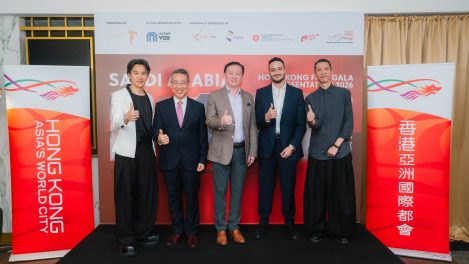
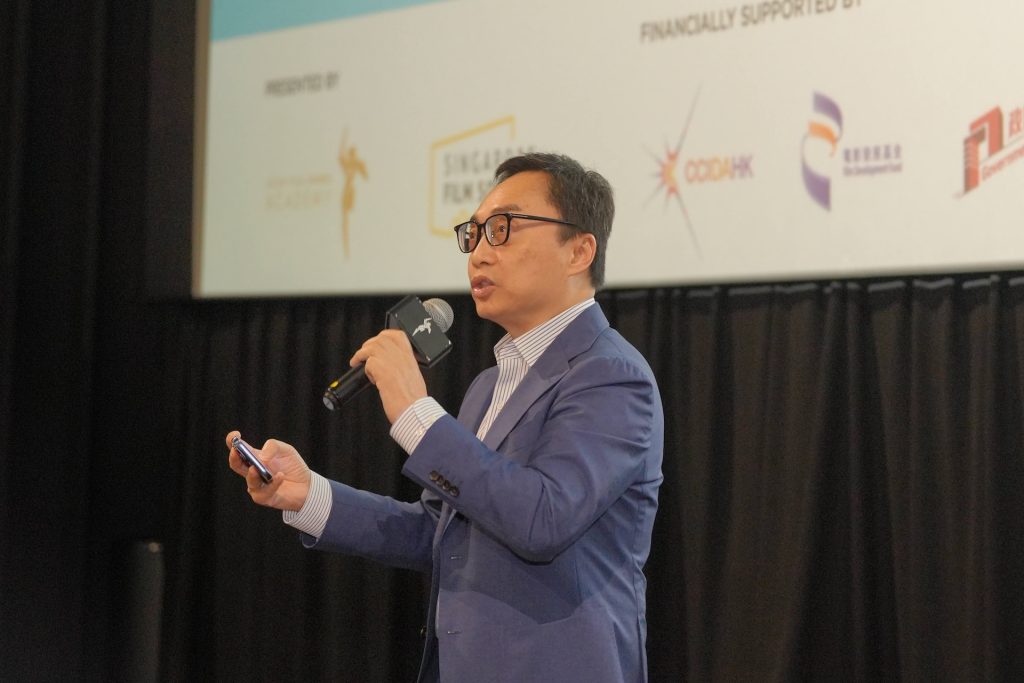
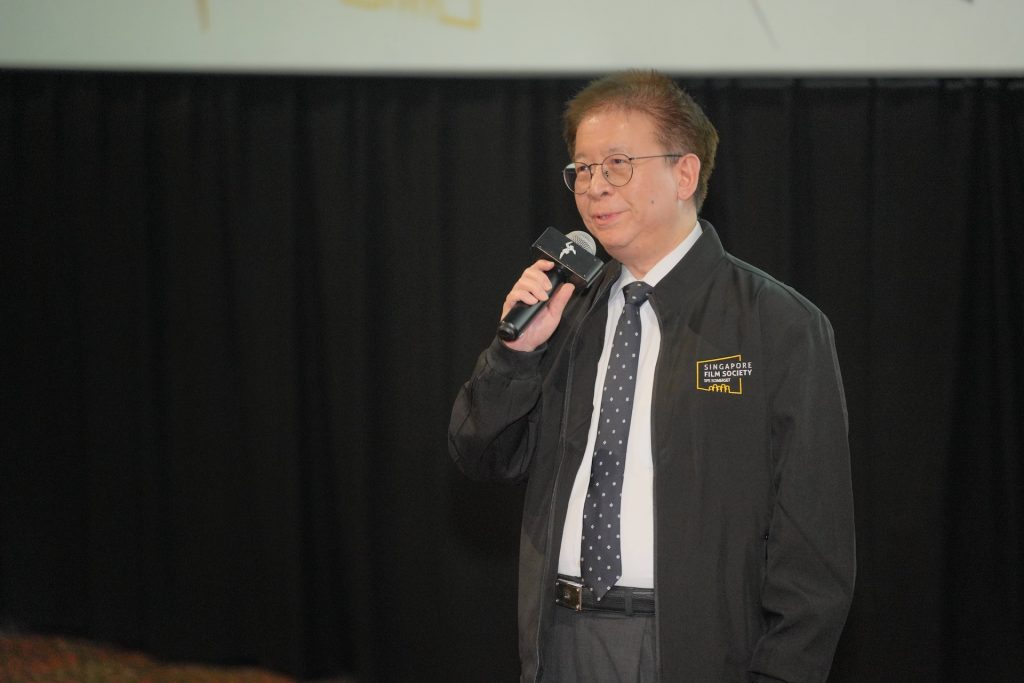
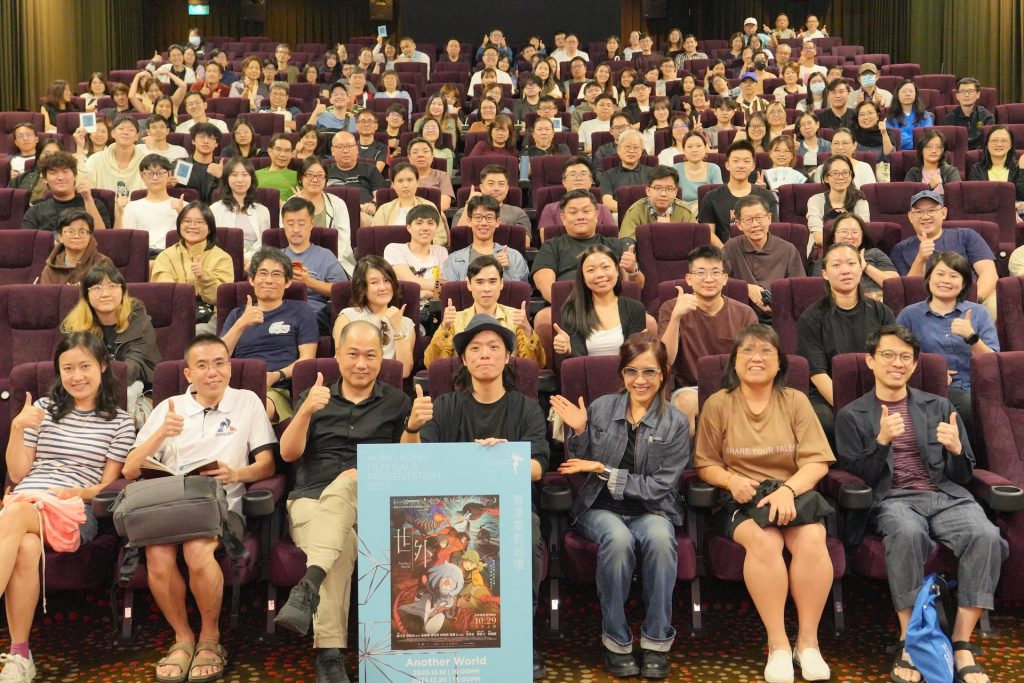
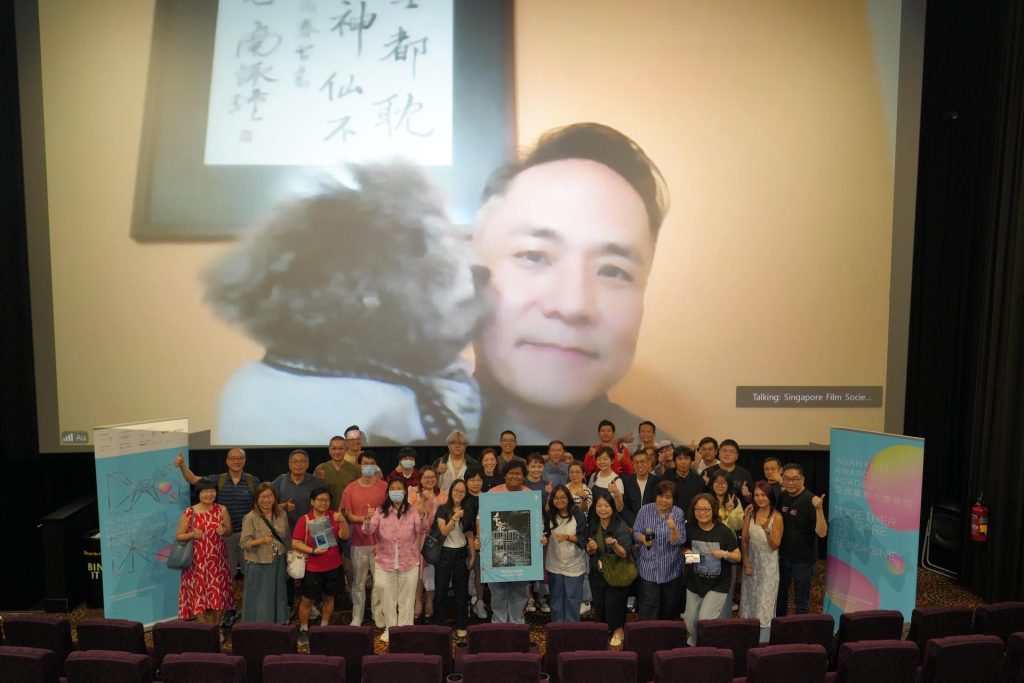
The ceremony was attended by local film industry professionals, film students, and passionate fans of Hong Kong cinema. Kenneth Tan, Chairman of the Singapore Film Society, and Mr. FUNG Ho Yin, Owin, JP, Director of the Hong Kong Economic and Trade Office (HKETO) in Singapore, delivered opening remarks. Chairman Tan welcomed the return of the gala, while Director Fung highlighted the vital role of Hong Kong cinema as a cultural bridge.
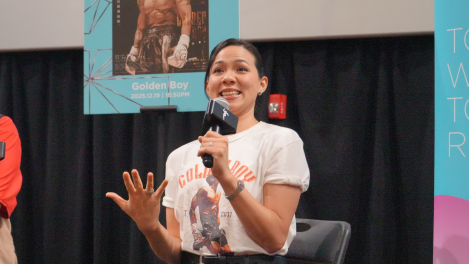
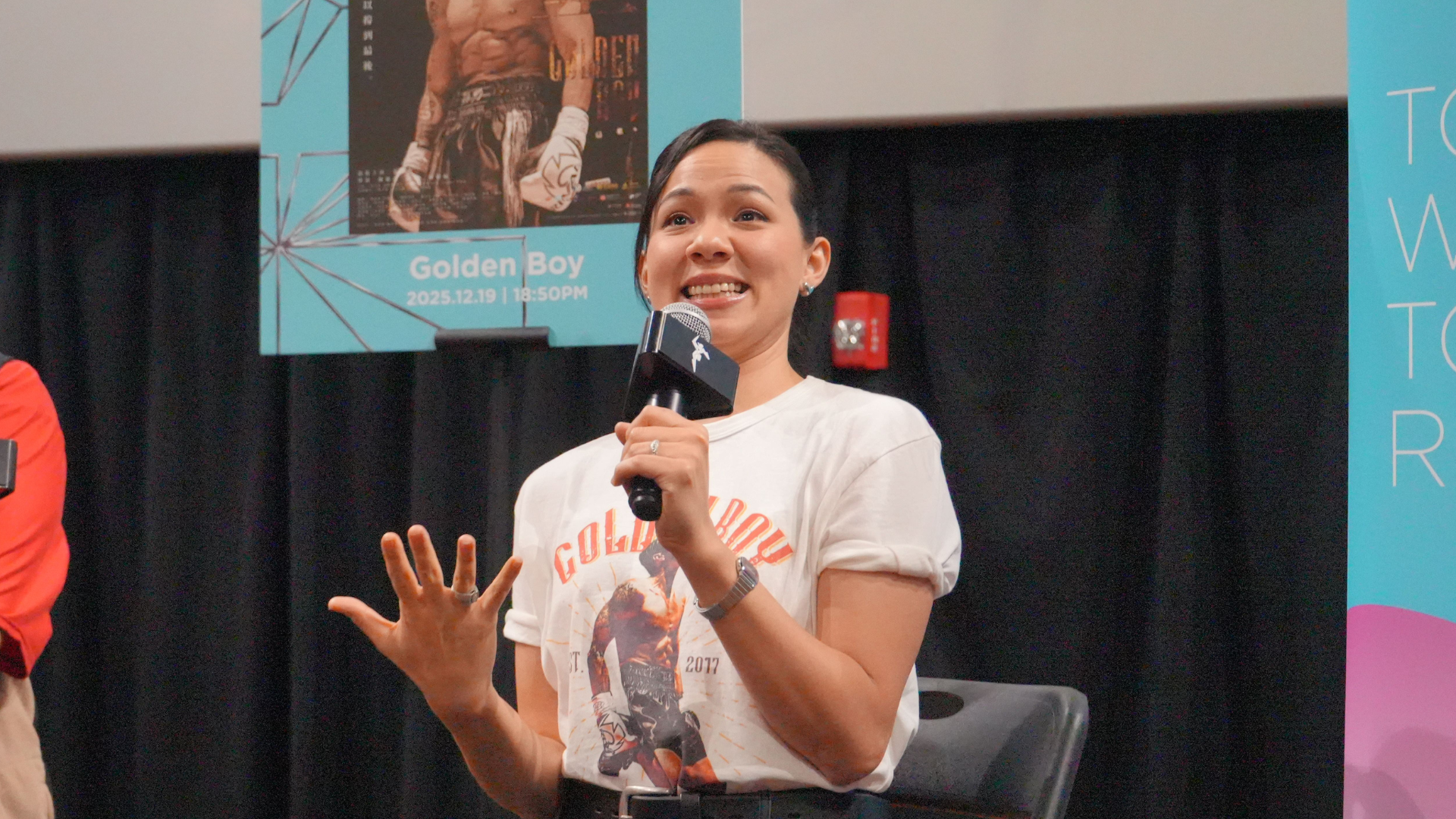
Rosa Maria Velasco shared excitedly: “I am so happy to represent the Golden Boy team in Singapore. My senior, Louis Cheung, put so much heart into this film. I am honored to meet the Singaporean audience and fans on his behalf, and it is truly wonderful to interact and chat with everyone at such close range.”
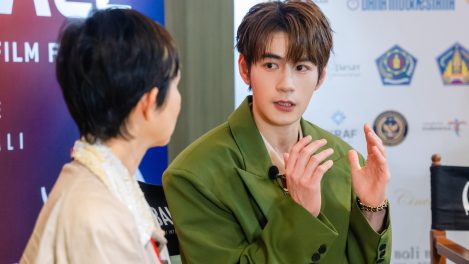
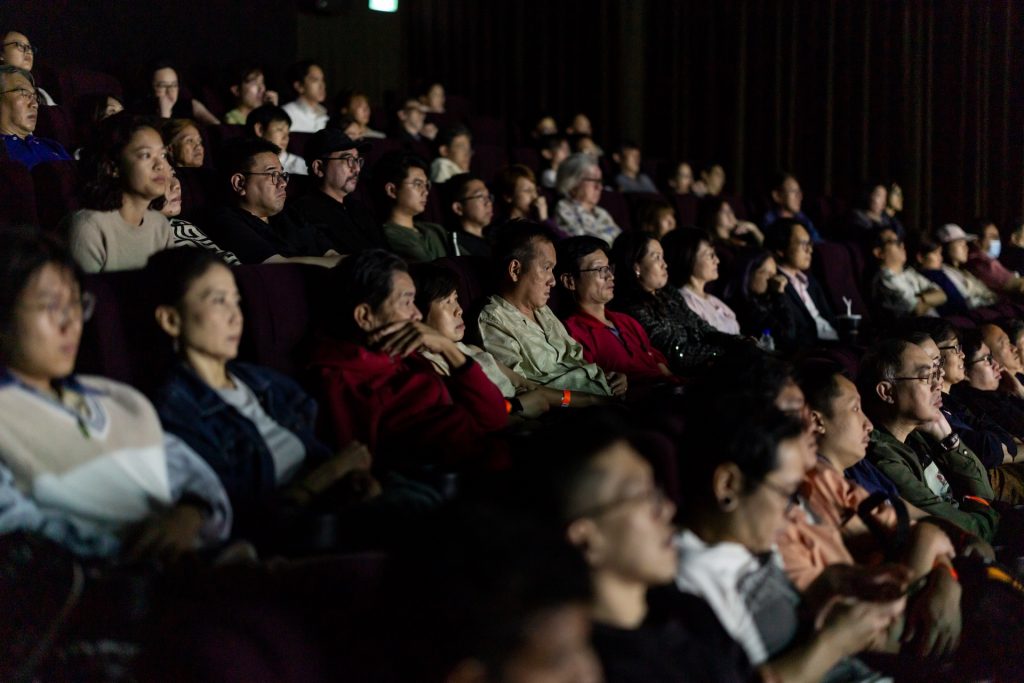
The gala officially opened with Another World, the award-winning sensation of 2025. Following the screening, the audience expressed great curiosity about the film’s unique style and seven-year production process. Regarding how animation portrays deep emotions, Tommy Ng shared: “The greatest appeal of animation lies in its ability to break through the physical constraints of live-action filmmaking to construct a world of the soul entirely driven by emotions.” Chan Gin Kai added that animation is not just a technology, but a pure medium that transcends borders to speak directly to the hearts of the audience.
Many audience members noticed that Another World was adapted from Japanese author Naka Saijō’s novel, and asked about what was retained or sacrificed in the adaptation. Tommy Ng admitted the animated version differs considerably from the original, “The first reason is that the novel is simply too long—if we included everything, it might be longer than The Lord of the Rings.” The remark drew laughter from the audience. He explained that the team chose to focus on several key “cycles” of life, prioritising the most touching storyline, while leaving open the possibility of future spin-offs to explore other meaningful chapters from the novel.
In terms of sound design, audiences’ attention particularly focused on the memorable voice performances. Speaking about how voice actors were chosen, Tommy Ng shared that during character design, the team already imagined each character’s vocal texture and rhythm of speech. Through repeated auditions and comparisons of demo recordings, they selected voices that best matched each character’s temperament, giving them greater vitality on screen.
Behind this vitality lay significant real-world challenges. Chan Gin Kai noted that for large-scale and long-term animated projects like Another World, securing investment is far from easy. The team had to seek fundings across regions. Moreover, animation takes years to materialise, and investors often cannot “see” concrete progress early on. Despite regular monthly updates, it is difficult to convey the pace of creation through just a few frames. As such, trust became the most crucial element of the entire creative journey, supported by partners from Taiwan, Hong Kong, and even the Philippines.
Some audiences praised the striking character designs and asked about the origins of the lead character “ Gudo”. Tommy Ng explained that the team wanted the character to embody the presence of death along with cuteness and friendliness—using bone-like textures and contours, for instance. Extensive research eventually led them to an inspiration from a Xizang’s ritual, when someone passes away, there are figures dressed in black and white clothing who have a guardian spirit and dance to send them off. This coexistence of “protection” and “death” became the foundation of Gudo’s design. The circular patterns on the Gudo’s face, he added, were not meant to reference a specific shape, but rather ripples spreading across water, conveying a unique rhythm of life at the first glance.
Finally, a question was raised about the ending—why leave it open-emded? Tommy Ng explained that the ambiguity was intentional, allowing space for imagination. The characters are not “gods” or “omniscient and omnipotent” beings, but are still learning and growing, carrying innocence and uncertainty as they gradually understand how to protect someone. This sense of incompletion, he said, is the tenderness the story wanted to leave behind. It echoes the spirit of “Together We Dare to Reimagine”, returning the answers to the audience and inviting everyone to find the next step of the story in their imagination.
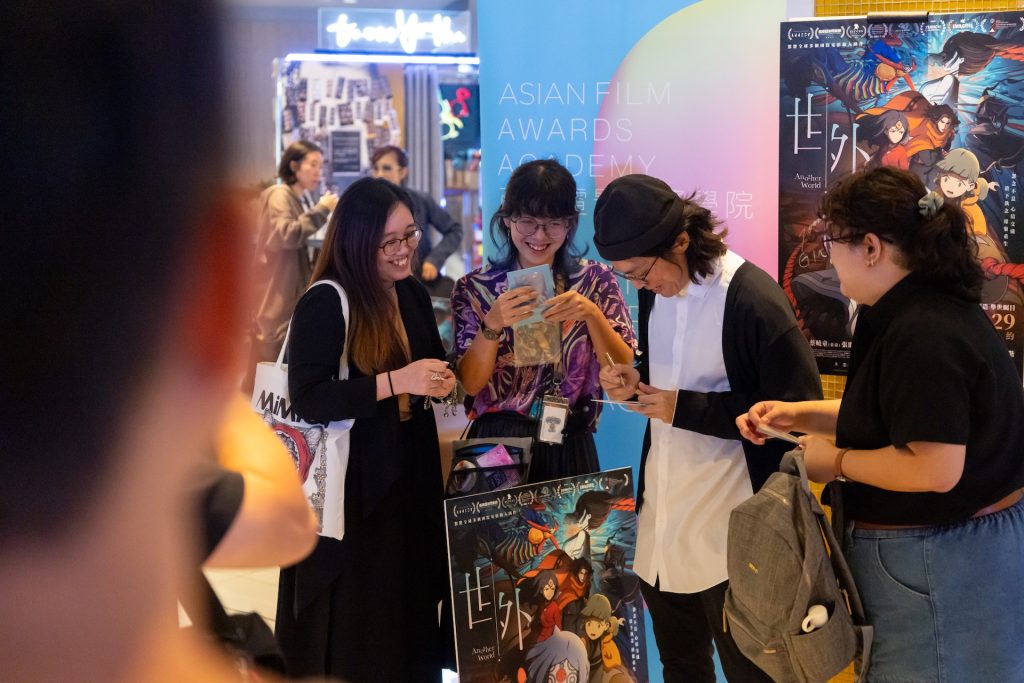
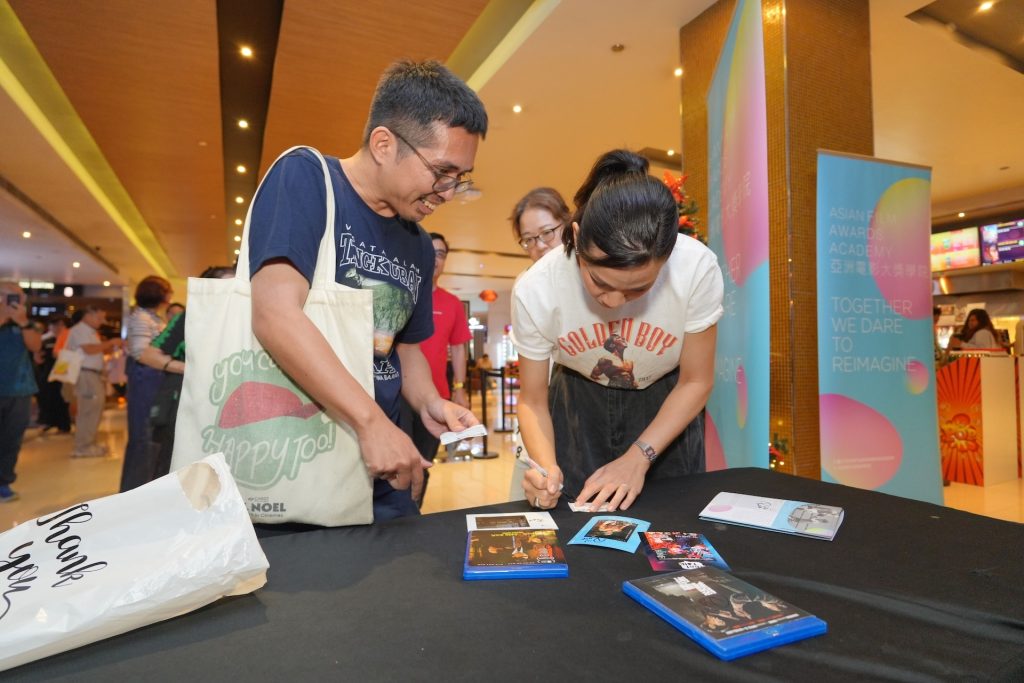
The enthusiasm continued long after the screening ended. Many fans seized the rare opportunity to wait outside the theater to take photos and request autographs from the three guests. The atmosphere was one of relaxed yet profound exchange, with many viewers continuing to discuss visual details and the film’s themes of life and death with the director and producer while they signed autographs.
In addition to the opening on the 18th, the public screening of Another World on December 20 was equally fervent. Fans were thrilled to interact closely with the Golden Horse-winning creators, with a lively Q&A session followed by another large crowd of fans waiting for photos and autographs, proving the film’s immense popularity in the Lion City. As the various exchange activities concluded, Hong Kong cinema continues to spark creativity in Singapore, inviting audiences to rediscover the infinite possibilities of the silver screen.
“Back then, I was standing on stage, separated from the audience by a beam of light. This time, however, I’m sitting in a cinema as a filmmaker, able to interact and chat audiences at such close range. I’m truly grateful for this opportunity.” Rosa Maria Velasco, lead actress of Golden Boy, expressed her feelings about shifting from stage to silverscreen during the post-screening discussion at the Hong Kong Film Gala Presentation.
The Asian Film Awards Academy (AFAA) hosted a vital stop of its year-round touring showcase, the “Hong Kong Film Gala Presentation,” in Singapore, centred on the core theme “Together We Dare to Reimagine”. “Reimagining” was not just a slogan — Golden Boy, Paws Land, and Someone Like Me — echoed in the sincere exchange after another: how Hong Kong cinema can rethink family, re-examine life, and rediscover what love means.
Rosa Maria Velasco had previously performed in Singapore as a stage actress. She returned to the city to attend the post-screening Q&A of Golden Boy, reflecting on her journey from the theatre to the film industry. Seeing the undiminished passion Singaporean fans hold for Hong Kong cinema, Rosa expressed her joy at reconnecting with Singaporean film lovers after a long absence.
Some audiences were particularly intrigued by her onscreen chemistry with Louis Cheung, especially the intense slapping scene. “In filming that scene, I was doing it ‘for real.’ I hoped to get it right in a single take, as that sense of ‘real pain’ was crucial to restoring the tension in the characters’ relationship. While it felt liberating to perform, seeing my senior co-star in actual pain made me feel quite embarrassed afterward,” Rosa responded from a professional perspective. Rather than mere pain, it was an expression of the shared sincerity filmmakers invest in reimagining authentic narratives.
Some passionate fans reflected on Rosa’s memorable performances in Time Still Turns the Pages, The Last Dance, and her latest work Golden Boy, leading to a deeper discussion on acting. They observed how her recent roles often portray powerful mother figures or sensitive caregivers, and asked whether working frequently with child actors posed specific challenges. Rosa spoke movingly about the inspiration she drew from working with child actors. She specifically praised Lau Ho Nam from Golden Boy and Wong Tsz Lok, who played her son in Time Still Turns the Pages: “These two young actors are immensely talented; their interpretations are incredibly pure and devoid of affectation.” For Rosa, collaborating with these gifted newcomers is more than just a job; it is a spiritual exchange that allows her to rediscover her own “beginner’s mind” in acting.
If Golden Boy led audiences back to the pain and redemption within family bonds, Paws Land turned its lens toward a far harsher reality. Four years were spent tracking the daily operations of a grassroots animal rescue organization in Hong Kong, presenting the abandonment and trauma experienced by stray animals with unflinching realism. Singaporean fans showed immense empathy toward the subject, with many noting the similarities between the urban developments of Hong Kong and Singapore and the shared threat to the survival space of stray animals.
“We filmed this to track how rescuers practice the spirit of ‘saving one, letting one live.’ Rescuing stray dogs is not just about healing wounds; it involves facing massive medical expenses and resettlement challenges,” Director Au Cheuk Man highlighted the weight of this work during the exchange. Speaking about how to balance his roles as both rescuer and filmmaker, Au explained, “Most of the time, I stayed behind the camera. It’s only when situations become critical that I step in to help.”
Responding to the stories shared by local Singaporean volunteers, Au noted, “We’ve asked those in the field, and the number of stray dogs is often ‘infinite’, rescue alone will never be enough. Therefore, the role of Paws Land is to start from the root, planting the idea of animal protection in the audiences’ hearts. As our poster mentions, every life deserves equal respect. If the film encourages viewers to rethink how humans coexist with other lives, then that is cinema fulfilling its role as a tool for social reflection.”
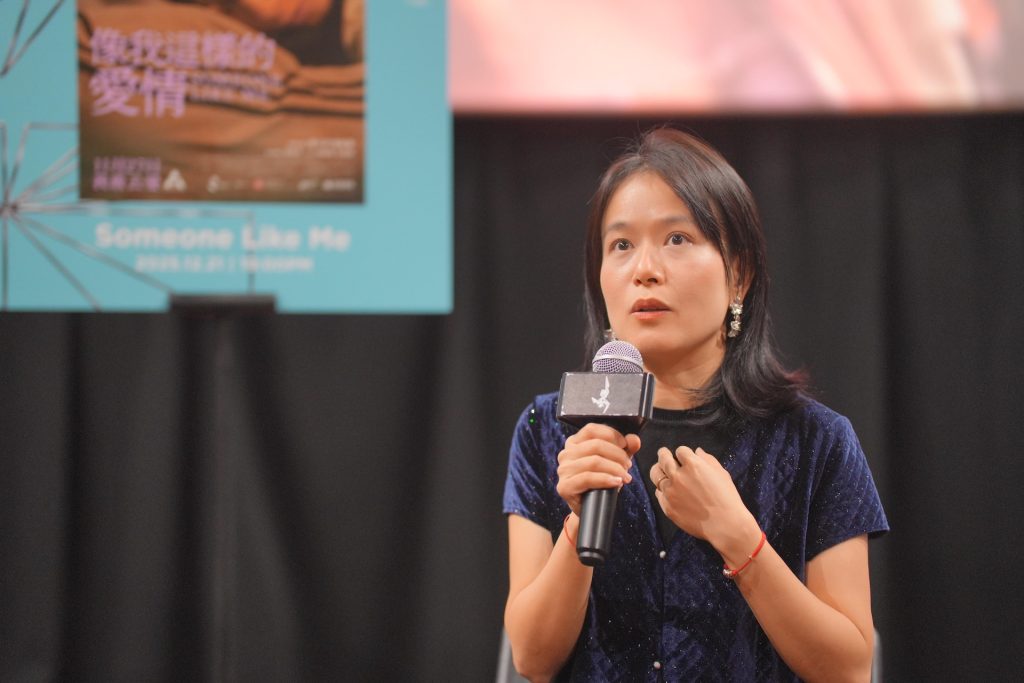
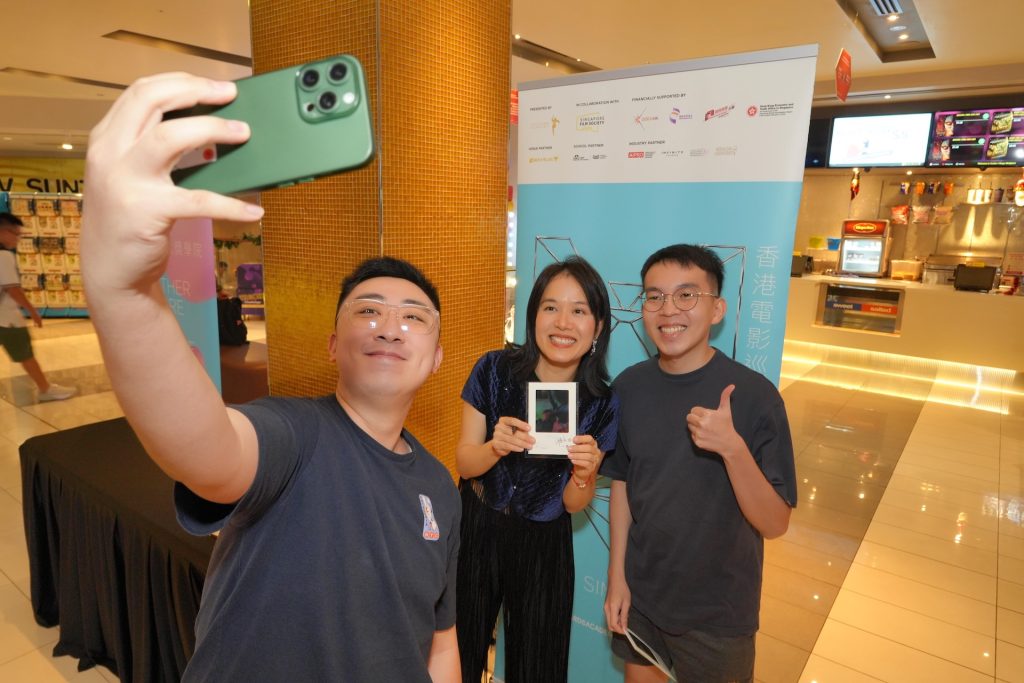
On the final night of the showcase, director Tam Wai Ching met audiences in person with her latest film, Someone Like Me. The film challenges the traditional framework of Hong Kong cinema by handling taboo topics with a rare, tender perspective, and returning love to its purest form. The Singaporean audience expressed great admiration for the director’s courage in reimagining the “desire and dignity” of the disabled.
Tam candidly shared the sense of “fate” behind the project, recalling a few years ago, while working on a television drama, she first learned about Hand Angels, a Taiwanese organisation providing sexual assistance to people with disabilities. The experience shook her to her core. “The exchange with those volunteers made me re-examine the power of love. It wasn’t that I intentionally sought out this subject; rather, the subject chose me at the most appropriate moment. I longed for a new challenge to remedy the conservative flaws of my debut film, In Your Dreams,” she added.
She clarified the film’s positioning for the audience, “This is not a rigid social commentary; it is a pure romantic art film. I see how Fish Liew and Carlos Chan seek spiritual freedom and solace within the limitations of their bodies.” Tam concluded by expressing her honor at interacting with the Singaporean audience, whose valuable feedback reaffirmed her belief that bringing Hong Kong cinema to the world is a mission worth persevering for.
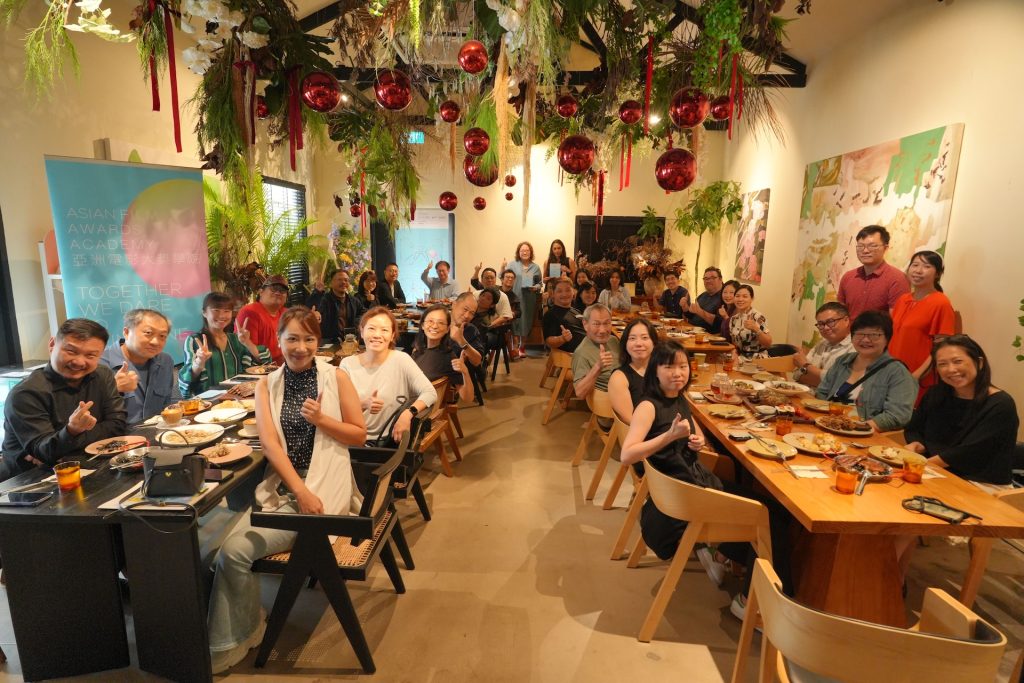
Beyond interactions on the big screen, AFAA deeply invested in industry connectivity. An industry networking lunch held during the gala gathered approximately 30 elites from Singapore’s film and television sector, including producers, distributors, and directors.
During the lunch, Lim Teck, CEO of Clover Films and film producer, engaged in fruitful exchanges with the Hong Kong delegation. Notably, legendary Singaporean crossover actors Lim Kay Tong and Doreen Toh made a surprise appearance, striking up an immediate rapport with Rosa due to their shared deep backgrounds in theatre. The three discussed the transition between stage and screen performances and their shared visions for portraying Asian characters. This cross-regional “professional dialogue” was filled with enthusiasm, as Rosa seized the opportunity to inquire about the current state of Singapore’s arts and culture scene from the seniors.
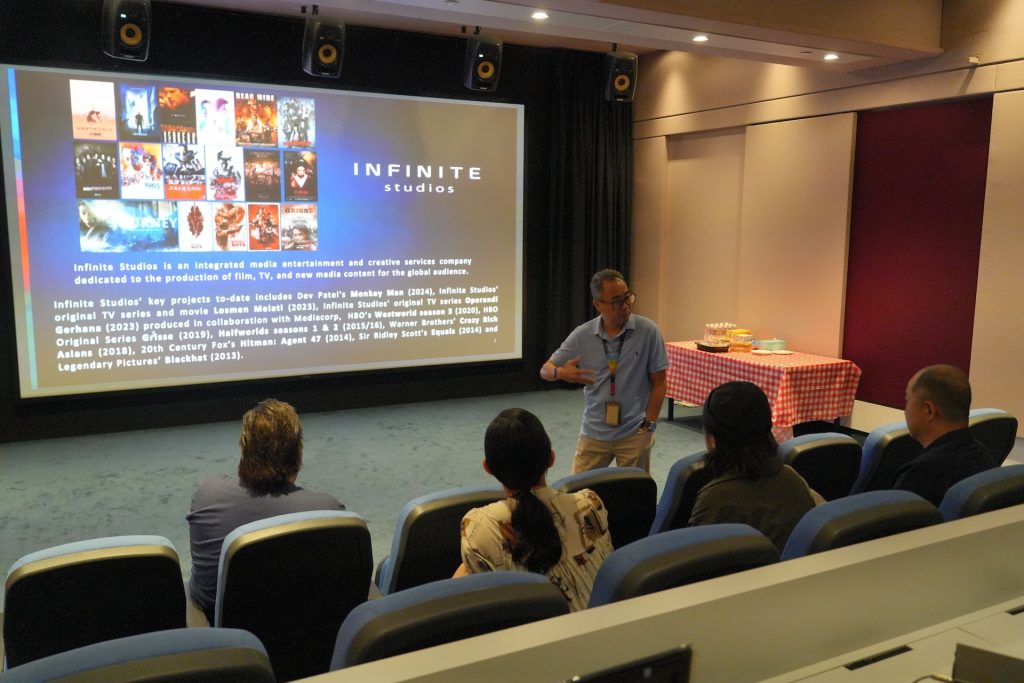
The team visited Infinite Studios, Singapore’s premier media hub, to take a glimpse at the actively developing in “Virtual Production”. During the visit, the participants witnessed state-of-the-art 360-degree virtual production facilities in action, where a large crew was using real-time rendering technology against a massive LED wall to film a high-fantasy drama.
From profound campus dialogues and high-energy industry exchanges to the lingering thoughts following the Q&A sessions, these elements collectively formed a meaningful journey of “Reimagining.”
As the final screening concluded under the Singaporean night sky, the Hong Kong Film Gala Presentation 2025 officially drew to a close. Through the spirit of “Together We Dare to Reimagine,” the Asian Film Awards Academy successfully connected filmmakers, industry elites, students, and audiences across regions, proving that Hong Kong cinema still possesses the power to transcend regions and touch hearts. Looking ahead to 2026, the Academy will continue to lead more outstanding Hong Kong works to explore the infinite future of light and shadow with film enthusiasts across Asia.
Asian Film Awards Academy
The Asian Film Awards Academy, a non-profit organization, was founded by Busan, Hong Kong and Tokyo International Film Festivals with the shared goal of celebrating excellence in Asian cinema. Aiming to promote and recognise Asian films and its talents, AFAA highlights, strengthens and develops Asian film industry through the annual Asian Film Awards and several year-round initiatives.
Our year-round events and programmes are held with the objectives to promote Asian films to a wider audience, expand the film market within Asia, and build and sustain connections among Hong Kong and international film professional. Masterclass Series – in conversation with filmmakers, Journey to the fest – Student Visit to International Film Festivals, Asian Cinerama – Film Roadshow, and Young Film Professionals Programme – overseas training and work-placement, are examples of our year-round programmes. These programmes could not have held successfully without the financial support of Cultural and Creative Industries Development Agency (CCIDA), formerly known as Create Hong Kong, and Film Development Fund (FDF) of the Hong Kong Special Administrative Region (HKSAR) Government. AFAA has worked to promote, educate, inform and develop knowledge, skills and interest in Asian cinema among the industry, students and audiences in Asia and beyond with the support of film festivals and cultural organizations.
Cultural and Creative Industries Development Agency
CCIDA, formerly known as Create Hong Kong is established in June 2024and is a dedicated office set up by the HKSAR Government under the Culture, Sports and Tourism Bureau. It provides one-stop services and support to the cultural and creative industries with a mission to foster a conductive environment in Hong Kong to facilitate the development of arts, cultural and creative sectors as industries.
Film Development Fund
The FDF was first set up by the Government in 1999 to support projects conducive to the long-term development of the film industry in Hong Kong. Since 2005, the HKSAR Government has injected a total of $1.54 billion into FDF to support Hong Kong’s film industry along four strategic directions, namely nurturing talent, enhancing local production, expanding markets and building audience. In the past, FDF has supported a number of film productions and other film-related projects through various film production funding schemes and other film-related project schemes.
Please contact us if any questions,
Email: info@afa-academy.com
Tel: +852 3195 0608
Website: www.afa-academy.com