Ann Hui Masterclass: “If You Only Want to Make Money, Don’t Be a Director”

Hong Kong Film Gala Presentation Returns to Yogyakarta, Showcasing the Legacy and Innovation of Hong Kong Cinema
13 January 2026

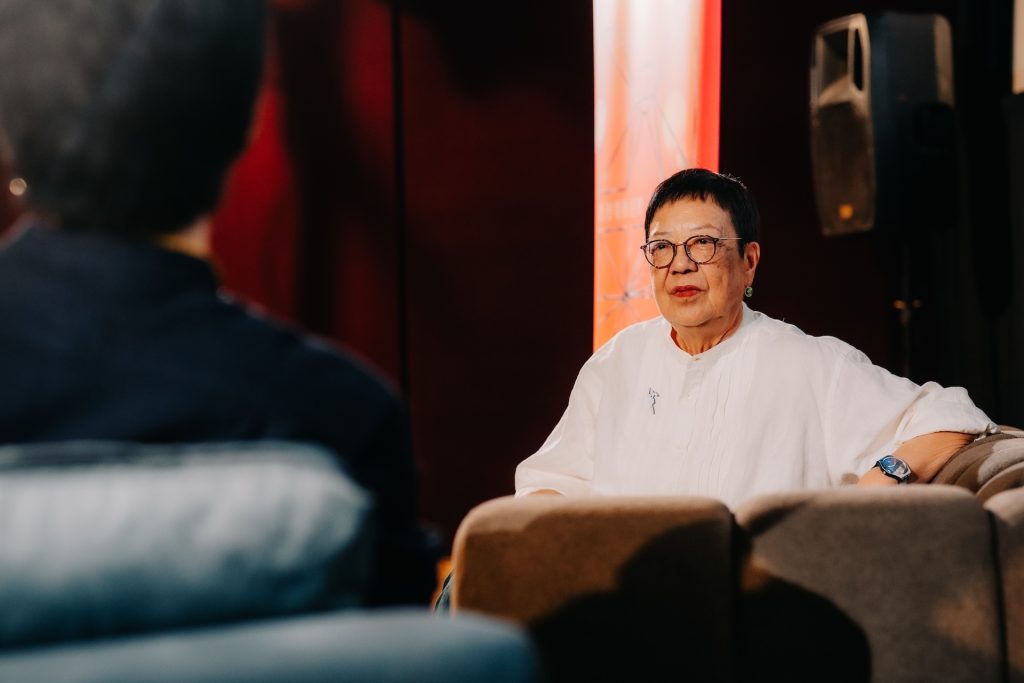
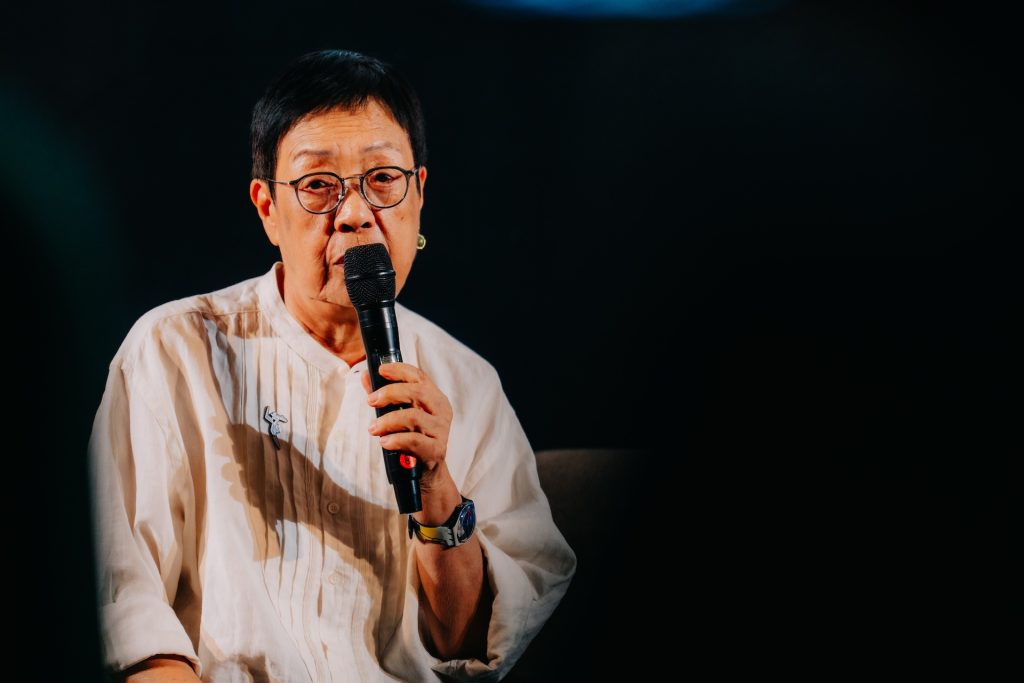
“A ‘work’ doesn’t necessarily have to be a narrative feature film. As long as it expresses the creator’s ideas, one can already be considered as a director. With a smartphone, filming and editing have become incredibly easy. At the beginning, I was worried, because when everyone can be a director, the training we once received seemed no longer important. But later, I realized this is actually a good thing”, Director Ann Hui candidly shared her views on the contemporary film and media landscape during a masterclass organized by the Asian Film Awards Academy (AFAA).


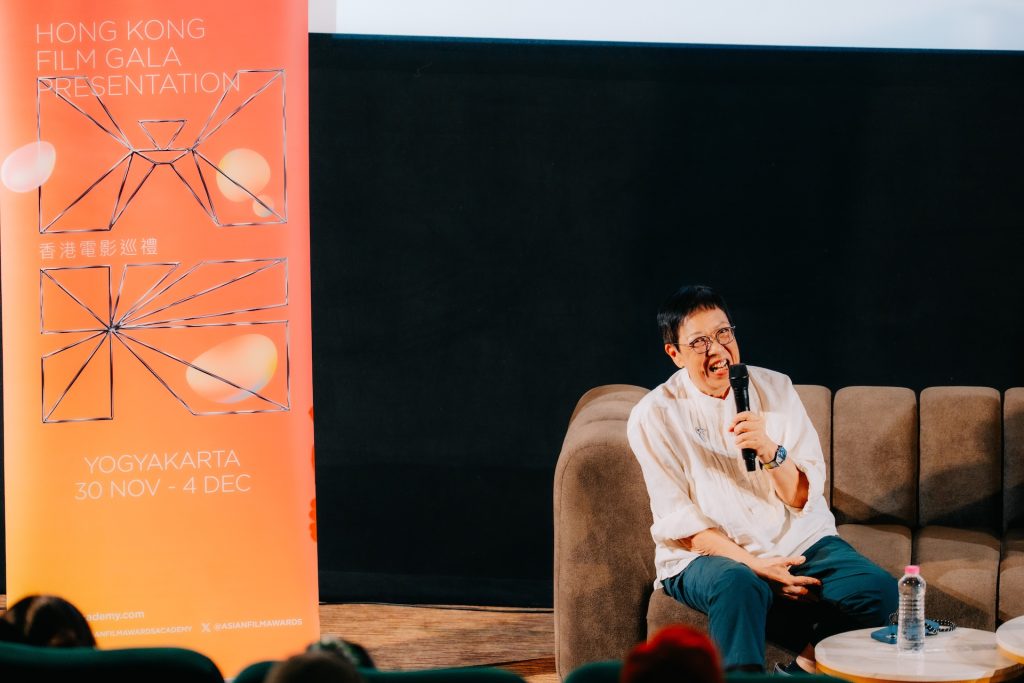
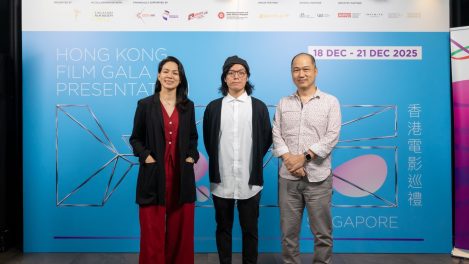
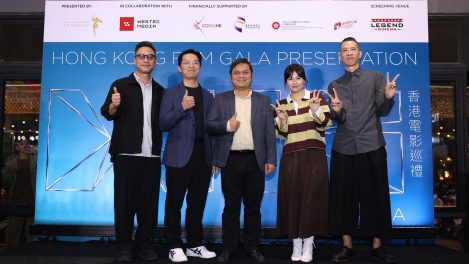
The Hong Kong Film Gala Presentation – Yogyakarta, presented by the Asian Film Awards Academy (AFAA) and in collaboration with the Jogja-NETPAC Asian Film Festival (JAFF), is funded by the Cultural and Creative Industries Development Agency (CCIDA) and the Film Development Fund, with support from the Hong Kong Economic and Trade Office (HKETO) in Jakarta.

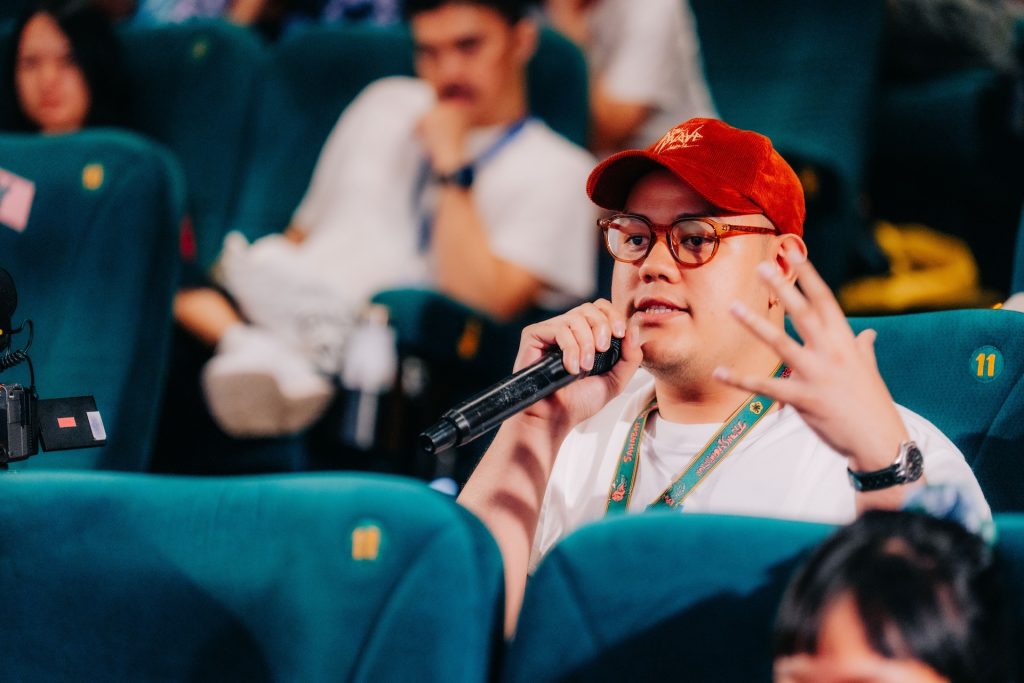
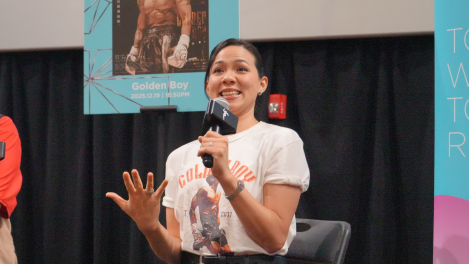
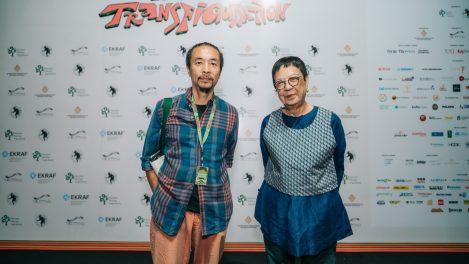
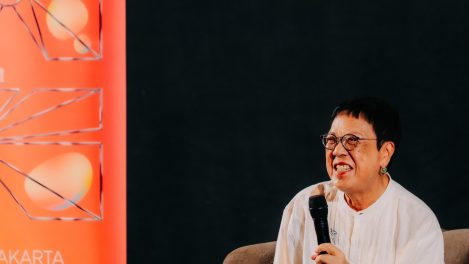
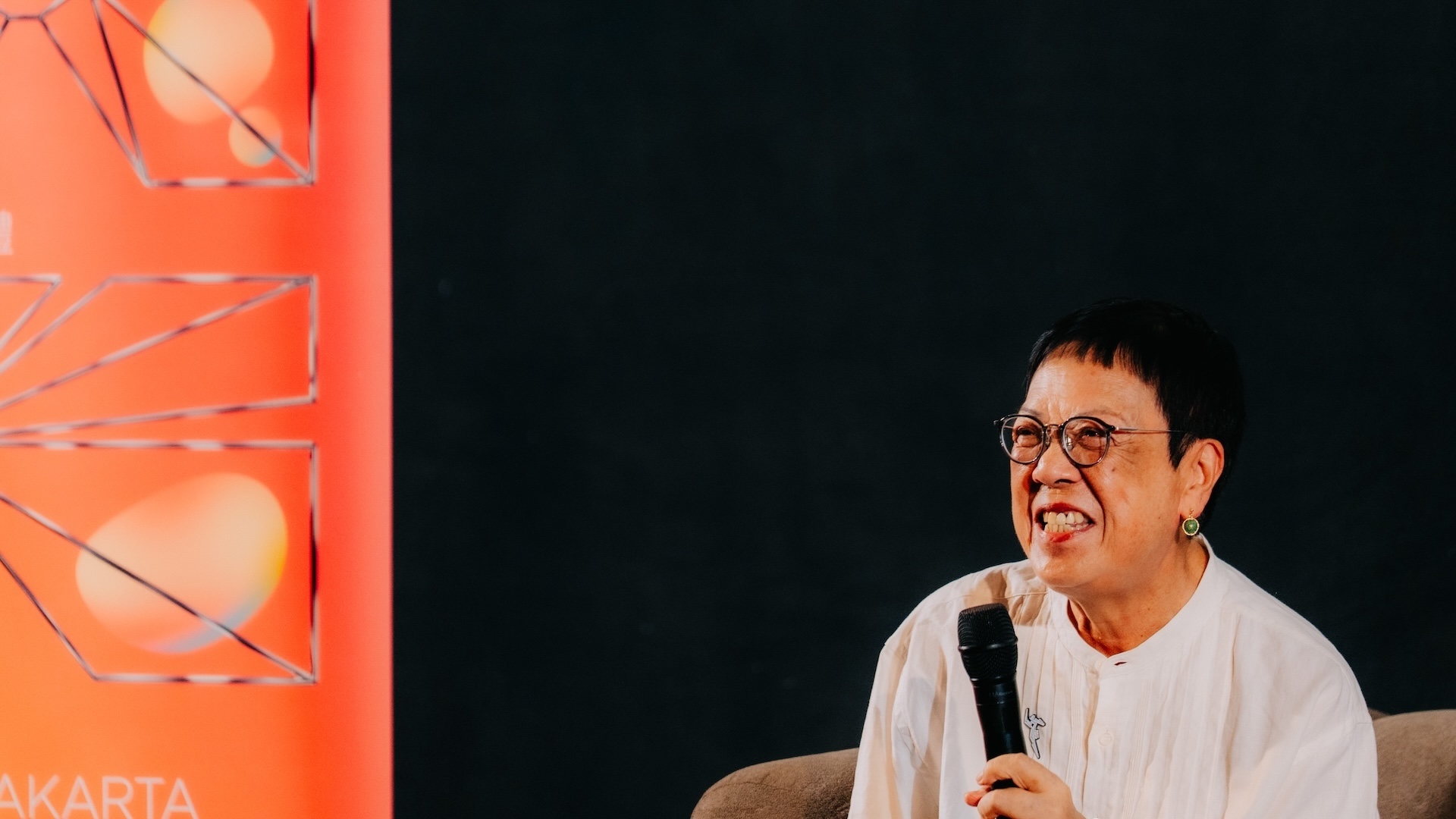
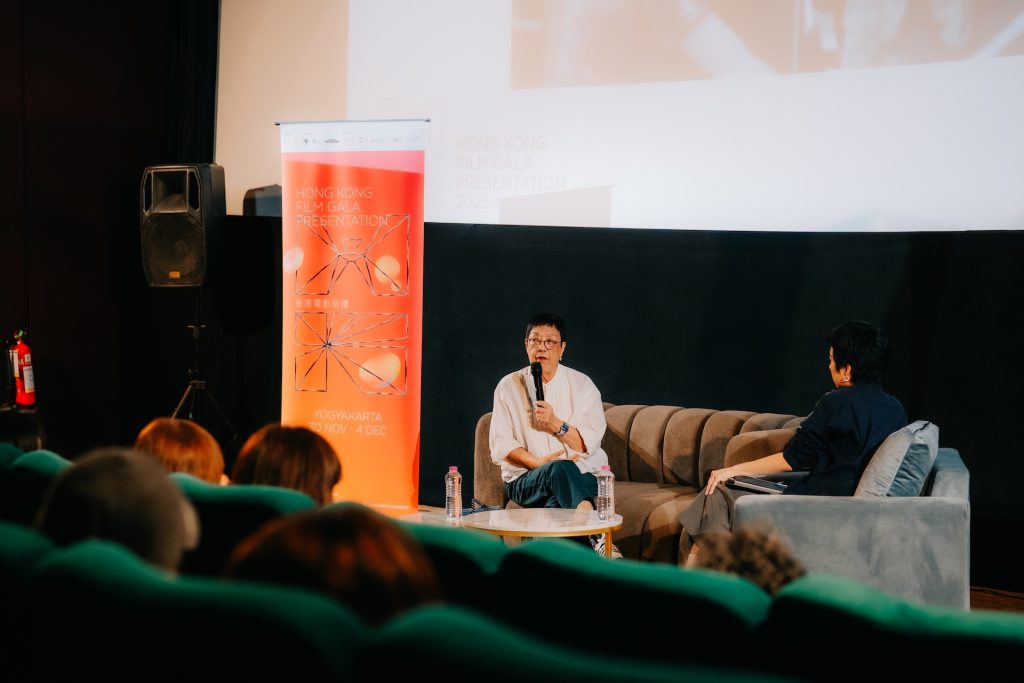
Ann Hui Masterclass was one of the highlight programs of the 20th Jogja-NETPAC Asian Film Festival and the Hong Kong Film Gala Presentation – Yogyakarta. Hui shared her filmmaking journey with local audiences and young filmmakers in Yogyakarta, encouraging them to learn from classic films and recognize their lasting value in shaping future creations. She also emphasized that the true driving force behind artistic creation should come from a love for creation itself, rather than the pursuit of fame.


The masterclass officially began with the screening of two tribute videos revisiting Ann Hui receiving the Golden Lion for Lifetime Achievement at the Venice Film Festival and the Lifetime Achievement Award at the Asian Film Awards, prompting enthusiastic applause that carried from the screen into the venue. Dressed simply with a warm smile, while the moderator was introducing her, Hui quietly lifted her phone to take a photo of the audience, capturing the precious moment from the event.


With a career spanning over fifty years, Ann Hui’s works cover a wide range of genres, from social realism to entertainment types. When asked how she views the role of a “director”, Hui explained that the role changes depending on the production context. For example, during the making of July Rhapsody, she worked from a completed script written collaboratively with another screenwriter, serving primarily as a director executing the script. In other cases, when the story originates from her own ideas, she becomes more like the author of the film.
She shared, “In Hong Kong, directors usually don’t have a fixed production team, but what remains constant is that the director is the person responsible for bringing the story onto the screen.”


“I only wanted to understand cinema better. I never thought of becoming a director,” Hui recalled. She enrolled at the London Film School in the late 1960s, where the mode of learning was entirely new to her. “I’m not timid, but I’m more introverted and don’t talk much. Film school was very inspiring. My postgraduate education focused heavily on concepts, but it was only when we actually picked up cameras and started filming that I felt closer to the real life and gained a more grounded understanding of cinema”, she said that she was less skilled in technical aspects compared to her classmates, but since she could write scripts, she took the role of director. It was at London Film School that she came to a realization: “All art originates from life.”

Speaking of Ann Hui inevitably leads to the Hong Kong New Wave. Hui returned to Hong Kong in 1975 during a period of transformation in the local film industry, which was shifting from kung fu and martial arts films toward more socially grounded stories. Alongside fellow New Wave directors such as Tsui Hark, Yim Ho, Allen Fong, and Patrick Tam, Ann Hui first worked in television drama production. She recalled, “Film investors saw our works from television series and thus approached us to make films.”


Hui jokingly said that after watching films of Taiwanese New Wave directors Hou Hsiao-hsien and Edward Yang, she thought, “Oh Christ, we’re finished!” She was particularly stunned by Edward Yang’s That Day, on the Beach, feeling that they were dealing with another level of reality. Ann Hui continued, “Our films tended to be more melodramatic and entertainment-driven, while their works truly focused on everyday life and human emotions, successfully transforming reality into something meaningful, engaging, and artistic.”


Hui shared that she felt deeply lost at the time while exploring her own filmmaking approach. She invited Wu Nien-jen, screenwriter for Hou Hsiao-hsien, to write a story about her mother, which became the film Song of the Exile. She laughed, recalling, “When I showed this film to a group of Hong Kong students, they said I was imitating the Taiwanese New Wave. I replied, ‘What’s wrong with imitating something good?’” She emphasized that this was actually a very different path to search for something entirely new. “Instead of focusing on handsome men and beautiful women in love stories, I began to pay attention to the elderly, young people, and those who are inexperienced or even lost. However, films like these are very difficult to find investors.”

When asked what qualities are needed to become a director, Hui pointed out that the accessibility of modern technology allows anyone to become one. “With just a mobile phone, you can shoot and edit easily.” She added that a work does not need to be a narrative feature film. As long as it expresses the creator’s ideas, the creator can be considered as a director. She admitted, “At first, I was worried, because when everyone can be a director, the training we once received seemed no longer important. But later, I realized this is actually a good thing.”


“A director should not quit a job in the middle because of difficulties,” Hui stated plainly, emphasizing that being well prepared is essential to getting the job done. She said this perseverance was also why she had stuck with many lousy jobs. She believes directors should try to keep budgets under control and work according to plans. Although such professional virtues may not necessarily be rewarded, she humorously remarked, “Maybe they will only be appreciated in heaven,” drawing laughter from the audience. She added, “Giving yourself certain limits, latitudes and requirements is good.”


Ann Hui’s life has always been inseparable from cinema. The host mentioned Keep Rolling, the documentary directed by Man Lim Chung that chronicles over 40 years of Ann Hui’s filmmaking career. When asked whether there were any films she would remake differently if given the chance. She laughed, saying, “Many.” She continued, “Some people think I’m hypocritical or that I push myself too hard, but that’s not true. I simply have a very high standard of myself.” She also shared sincerely that as long as she is still able to move, she will continue making films. Looking ahead, she expressed her hope to work on television dramas, “The production model for TV dramas today is very different from the past. What I used to make were anthology that each whole series has a different story, whereas I have never shot the TV which is from episode to episode. The television industry is now so mature, and I hope to learn this new dynamics of TV production.”


Please contact us if any questions,

Email: info@afa-academy.com

Tel: +852 3195 0608

Website: www.afa-academy.com

Latest News
Hong Kong Film Gala Presentation Arrives in Yogyakarta: How Can Cinema Connect the World? Filmmakers across Asia gather at “Hong Kong Night” and the JAFF Market, Ann Hui and Robin Lee engage with the media to reflect on creation, perseverance, and the many faces of Hong Kong
Community Forum: Entertainment and Social Realism Coexist in Contemporary Hong Kong Cinema Four Hong Kong Filmmakers Share the Golden Era and Future Outlook of Hong Kong Cinema with Local Students and Cinematheque in Yogyakarta
Ann Hui Masterclass: “If You Only Want to Make Money, Don’t Be a Director” Hong Kong Film Gala Presentation Returns to Yogyakarta, Showcasing the Legacy and Innovation of Hong Kong Cinema
Ride Your Horse from IFC 2024 selected for Clermont-Ferrand’s International Competition A major milestone that brings the film into the world’s most influential short-film festival — with eligibility for the Oscars, César Awards and European Film Awards
Journey to the Fest: Student Visit to the 38th Tokyo International Film Festival The Journey to the Fest programme took students to Tokyo, Japan, where they participated in post-film talks, industry panels, and networking events, connecting with filmmakers from around the world
Hong Kong Film Gala Presentation – Yogyakarta’s Second Adventure with “Together We Dare to Direct” AFAA Meets Jogja-NETPAC Asian Film Festival again — Ann Hui Masterclass, Nine films and Short Films Roadshow to Celebrate Hong Kong Cinema
Hong Kong Film Gala Presentation Celebrates Fifth Edition in Dubai ANSONBEAN, Chan Tai Lee, and Chou Man Yu Meet Dubai Audiences, Sharing Fresh Perspectives on Hong Kong’s Creative Landscape
IFC 2024 Short Catching Alternative Honoured with First Prize at Golden Rooster Project Market Winning in the Public Submission Section, director CHEN Yun impresses with a folk-inspired story that highlights IFC’s mission to support emerging filmmaking talent.
Hong Kong Film Gala Presentation Concludes Successfully in Vietnam — AFAA Showcases the Power of Hong Kong Cinema Sammo Hung and Louis Koo Shine at the Grand Opening Night as Over 500 Guests and Fans Celebrate the Spirit of “Together We Dare to be Powerful”
Hong Kong Filmmakers Share Insights in Jakarta Through Dialogue and Collaboration From Masterclasses to “Hong Kong Night,” Industry Events Strengthen Creative Ties Between Hong Kong and Southeast Asia

web design by HKWEB