The Dynamic Cityscapes of Hong Kong Films Exhibition Invites Bangkok to Experience Hong Kong Cinematic Diversity

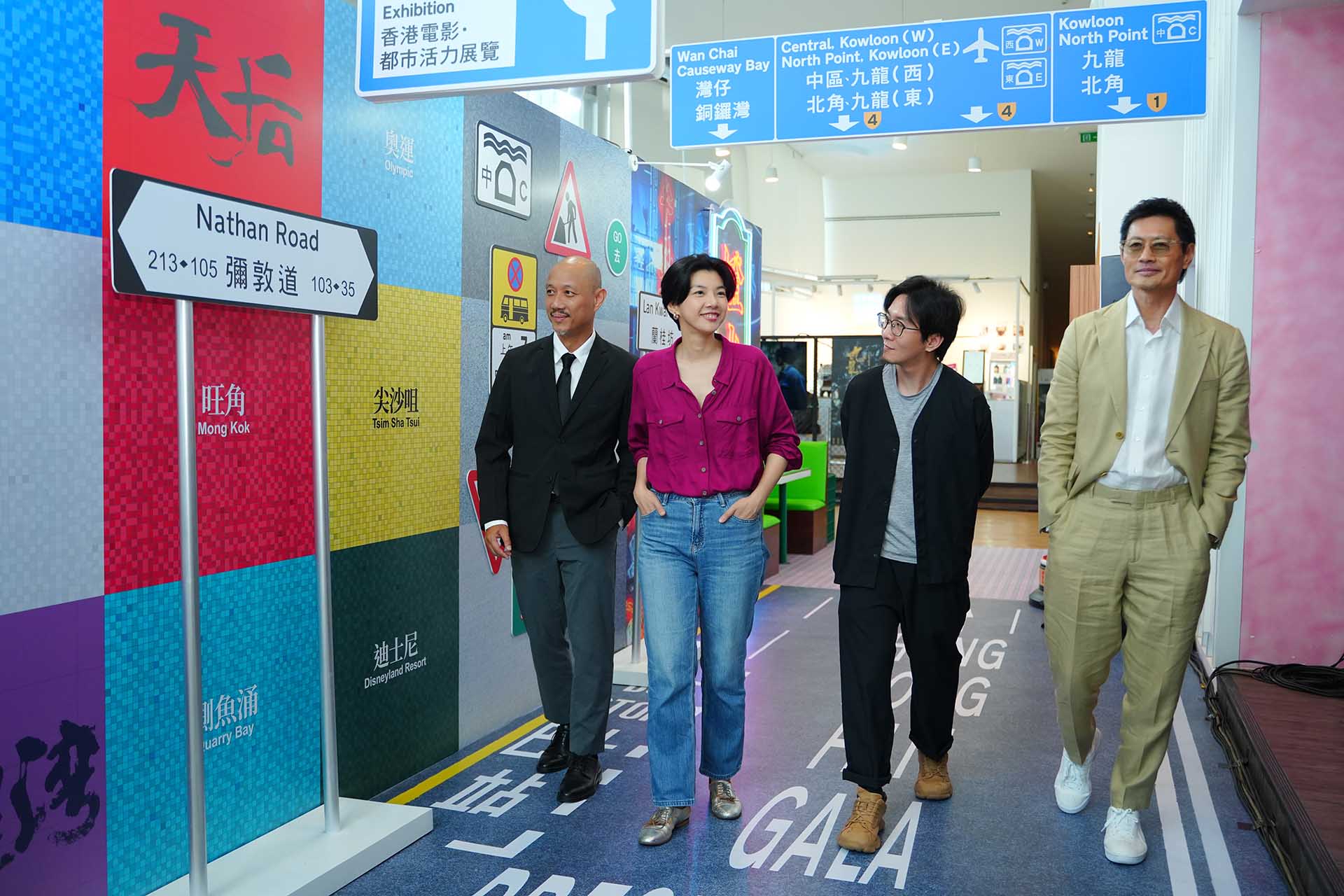
Following a successful run in Phnom Penh, Cambodia, this exhibition has brought the celebration of Hong Kong’s diverse cityscapes to Bangkok. It showcases memorable scenes from carefully selected films alongside iconic sights from Hong Kong.
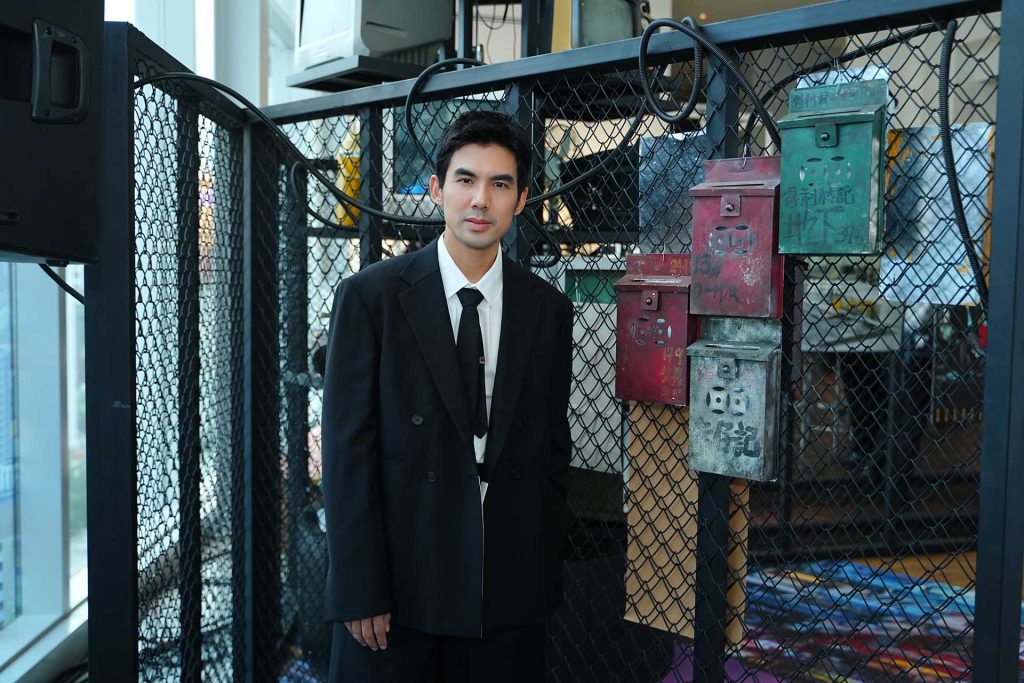
09 September 2024

Presented by the Asian Film Awards Academy and financially supported by the Cultural and Creative Industries Development Agency (CCIDAHK), the Film Development Fund (FDF), and the Hong Kong Economic and Trade Office in Bangkok, The Dynamic Cityscapes of Hong Kong Films Exhibition took place at HOUSE Samyan from August 16 to 25. The exhibition welcomed locals and tourists to enjoy free admission, with materials available in English and Thai.


Hong Kong is a small city with a robust film industry. It is no exaggeration to say that Hong Kong itself is literally one big film studio. Following a successful run in Phnom Penh, Cambodia, this exhibition has brought the celebration of Hong Kong’s diverse cityscapes to Bangkok. It showcases memorable scenes from carefully selected films alongside iconic sights from Hong Kong.

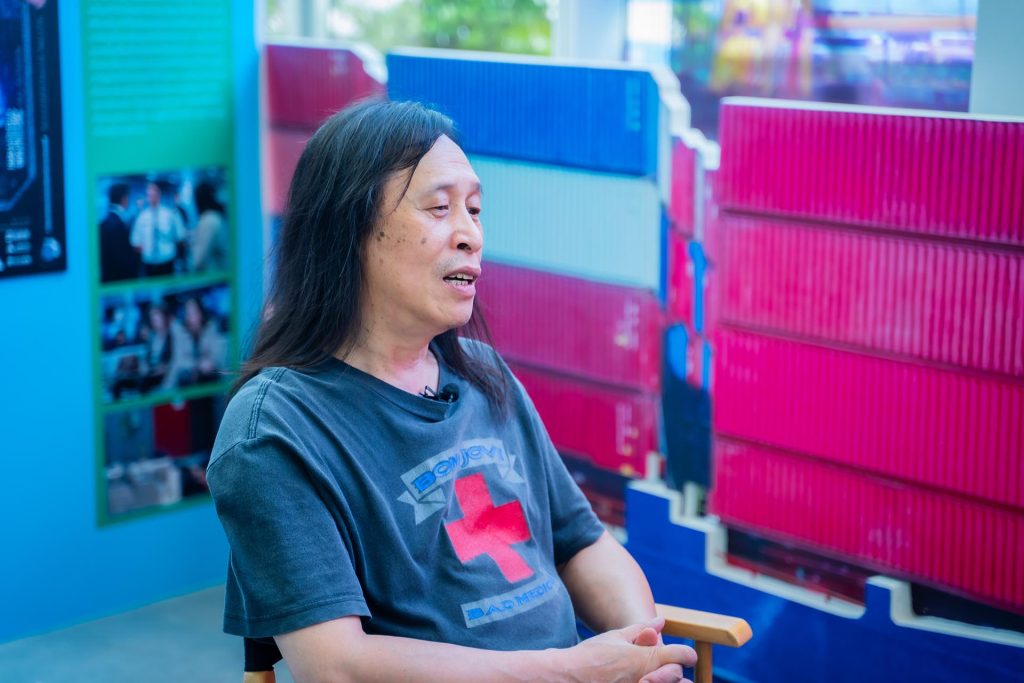
Twilight of the Warriors: Walled In

The Kowloon Walled City was probably one of the most tightly packed communities in the world, where buildings and shops of all shapes and heights were built and accessed by intricate of alleys. It inspired the look of Ridley Scott’s sci-fi classic Blade Runner and much of the cyberpunk genre, as well as an indoor theme park in Japan. In Soi Cheang’s big-budget action blockbuster Twilight of the Warriors: Walled In, which is adapted from a popular novel originated from a comic series, the Kowloon Walled City is portrayed as a melting pot of honest blue-collar working people and various gangsters. Since the real Kowloon Walled City was torn down in 1990, the film’s production design crew and visual effects artists had to painstakingly re-create various sections of the enclave in studios and various vacant government buildings. Sights of the Walled City seen in the film include its narrow alleyways, various businesses, food stalls, dense tenement buildings, and the hidden nooks and crannies that ordinary people would never step into.


Customs Frontline

Through spectacular epic scenes, Herman Yau’s action thriller depicts complicated conflicts and tension arise between Hong Kong Customs and arms smugglers. Demonstrating how the Hong Kong Customs confronts threats from ruthless foreign criminals to protect the peaceful livelihood of millions of citizens living on both sides of the serene harbour, the captivating plot climaxes when a cargo ship dashes uncontrollably cross Victoria Harbour while a vital fight happens in a sinking submarine. An installation of glowing transparent skyscrapers against the backdrop of Victoria Harbour isa vivid demonstration of the most celebrated scenery of Hong Kong, The Pearl of Orient, which dedicated officers in Customs Frontline fight to the death to safeguard.

Time Still Turns the Pages

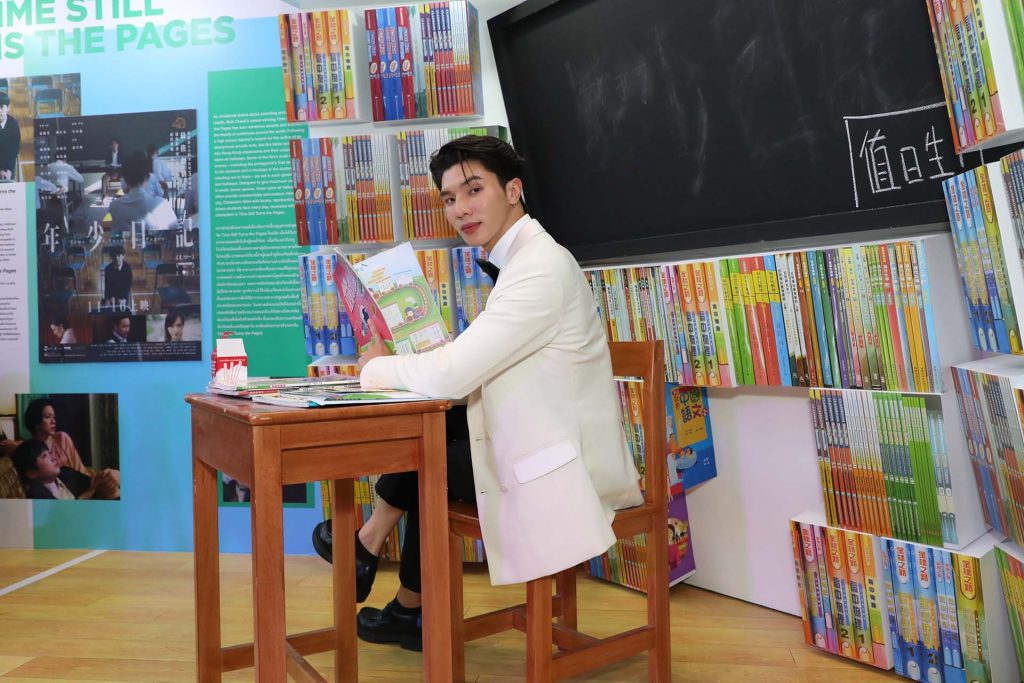
An emotional drama about parenting and mental health, Nick Cheuk’s award-winning Time Still Turns the Pages has won numerous awards and touched the hearts of audiences around the world. Following a high school teacher’s search for the writer of an anonymous suicide note, the film takes audiences into real Hong Kong classrooms and their unique partially open-air hallways. Some of the film’s most emotional scenes – including the protagonist’s final speech to his students and a montage of the students reaching out to them – are set in such classrooms and hallways. Designed to give maximum ventilation in small, dense spaces, these open-air hallways often provide unexpectedly picturesque views of the city. Classroom filled with books, representing the stress students face every day, resonates with the characters in Time Still Turns the Pages.


The Goldfinger 

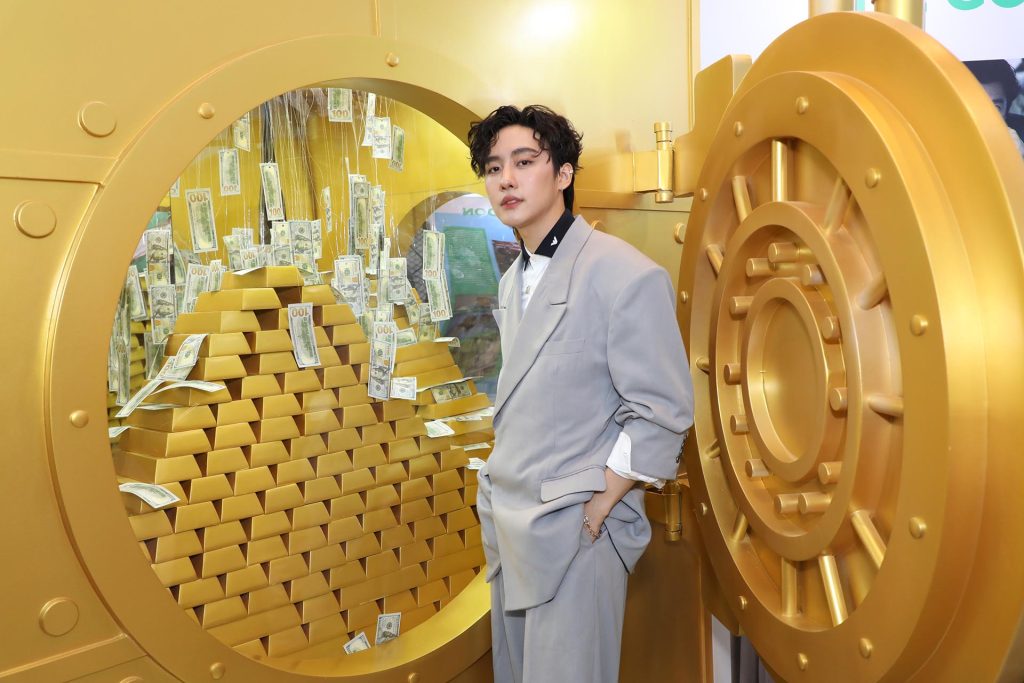
Felix Chong’s The Goldfinger presents a compelling portrayal of Hong Kong in the 80s as a land of opportunities. The film’s protagonist, an ambitious businessman named Henry Ching, competes for the purchase of an office building with literally a wall of gold, symbolising the excess of wealth and a life of debauchery in the city at that time. This theme is represented by an interactive installation featuring a bank vault and banknotes in the exhibition.

Fly Me to the Moon

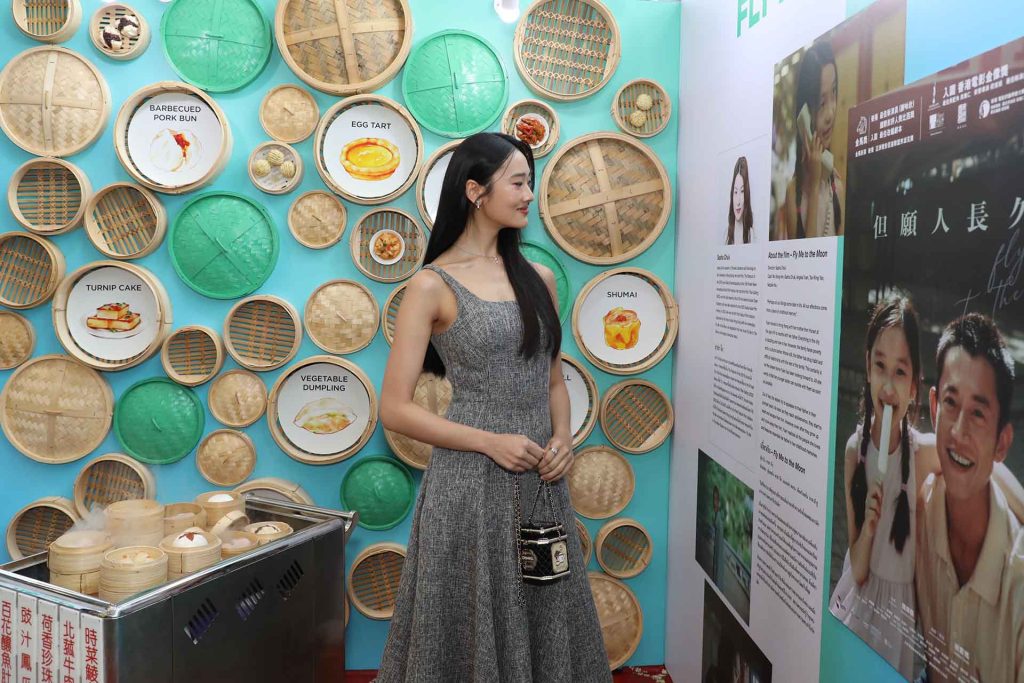
Sasha Chuk’s feature directorial debut is a pseudo-autobiographical story set in three parts, chronicling two decades in two sisters’ precarious relationship with their drug addict father. Chuk’s subtle screenplay relies on recurring motifs that appear through the three parts to show the changes in the characters over the years. One such motif is the two daughters sharing a dim sum meal with their father at different times in their lives. In Hong Kong, a dim sum meal is one of the most typical meals that families share. They are generally served either in large restaurants filled with circular banquet tables of various sizes (as seen in the film) or in old-school teahouses, where service is sacrificed for better prices.


Bamboo Theatre

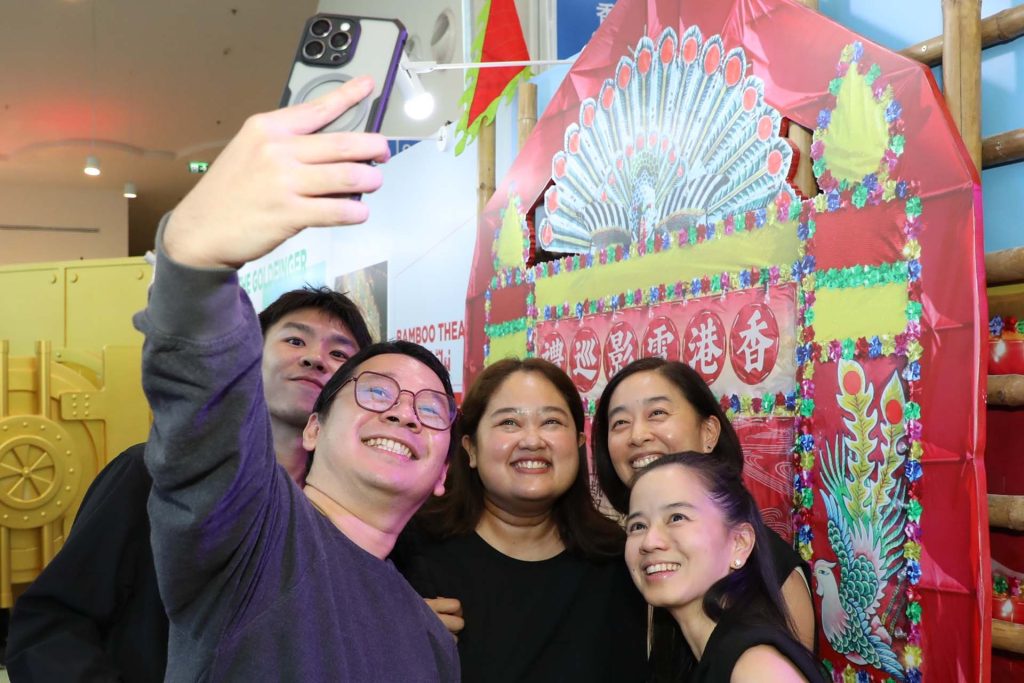
During traditional Chinese festivals, such as the birthdays of deities and the Yu Lan Festival, temporary bamboo structure would be built in a neighbourhood to stage Chinese opera performances and rituals. These structures are made up of bamboo poles and fir beams, covered with metal sheets, accommodating an audience size from hundreds to thousands, keeping them from the sunshine and the rain. While the building technique is exemplary of the age-old wisdom of Chinese architecture, this structure is an important cultural space unique to Hong Kong, embodying traditional performing art forms, as well as community social activities.

Neon Sign

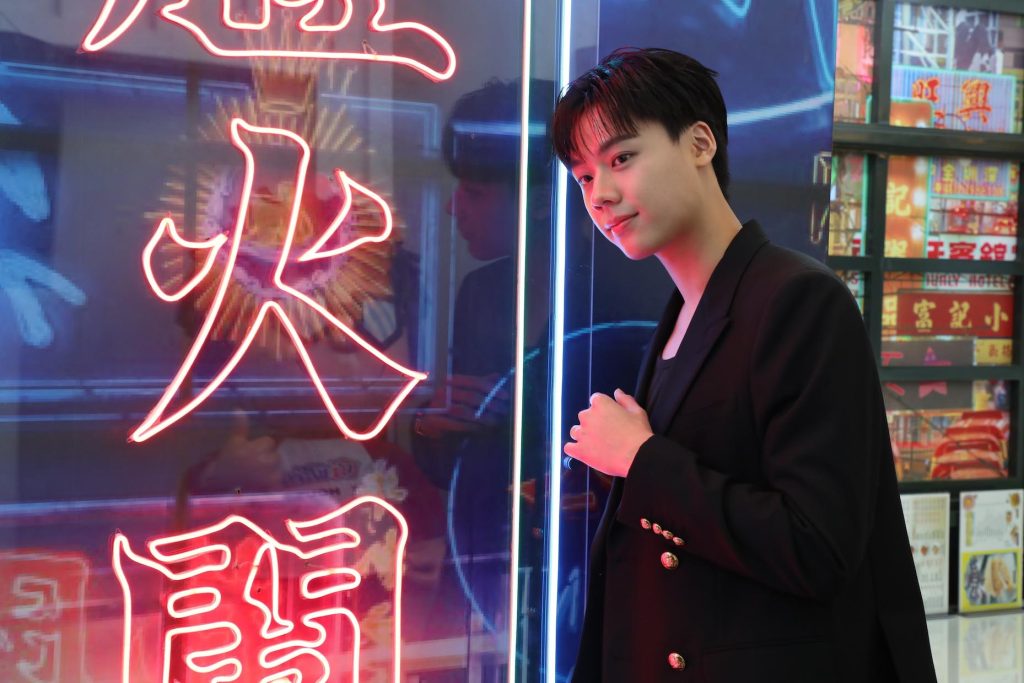
Since the1920s, Hong Kong’s streets have embraced the inky evening sky illuminating with a symphony of neon lights. The signs in fuchsia, yellow and green once cascaded from the upper levels of tong laus (tenement buildings) were used as advertising tactics. Over time, the presence of neon signs goes beyond its actual function and becomes a strong part of Hong Kong local culture, heritage and identity. Even in modern days, the glow of neon lights adds colours to the hustling streets and remains as the iconic symbol of this dynamic city.


Cha Chaan Teng

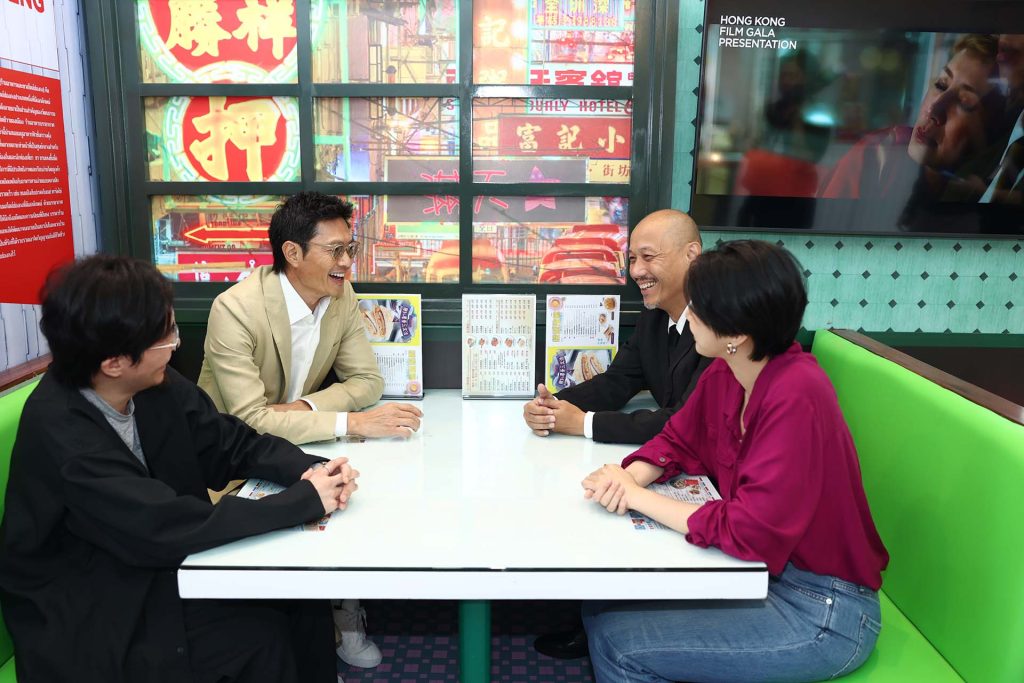
Cha chaan tengs (Hong Kong-style tea restaurants) area unique type of Hong Kong-style diners that have become an integral part of the city’s vibrant food culture.

These casual dining establishments offer a diverse menu of Cantonese-Western fusion dishes, serving as hubs for both locals and tourists alike. Cha chaan tengs are known for their efficient, no-frills service, where customers can quickly enjoy classic comfort foods like pineapple bun with butter, egg tart, and the quintessential Hong Kong-style milk tea. With their nostalgic ambiance and enduring popularity, cha chaan tengs have evolved into beloved neighborhood institutions that encapsulate the lively, dynamic spirit of Hong Kong.


Please contact us if any questions,

Email: info@afa-academy.com

Tel: +852 3195 0609

Website: www.afa-academy.com


Latest News
Together We Dare to Reimagine: Sparking New Perspectives in Singapore The Hong Kong Film Gala Presentation wraps up in Singapore, from heartfelt post-screening conversations and industry networking to cutting-edge tech tour, with connections growing beyond the cinema
Another World Creators Visit Top Singapore Arts College: A Seven-Year Visual Odyssey of the Soul 2025 Touring Showcase Concludes in Singapore: HK and Singapore Filmmakers Deepen Cultural Dialogue Across Campuses and Cinemas
From Cinema to Campus: Hong Kong Filmmakers in Close Dialogue with Phnom Penh Audiences The Hong Kong Film Gala Presentation concluded successfully in Phnom Penh, with directors Jonathan Li, Chou Man Yu, and actress Renci Yeung, visiting cinema and campuses to share their experiences.
IFC 2024-funded short Catching Alternative selected for competition at Chile’s FIXION Fest and shortlisted in HiShorts! Narrative Competition (Top 70) Director CHEN Yun’s folk-inspired genre storytelling expands its festival footprint, reaffirming IFC’s mission to support emerging filmmakers
A Series of Post-Screening Q&As in Yogyakarta Highlights Dialogue Across Generations of Hong Kong Filmmakers Ann Hui and Man Lim Chung join emerging Hong Kong filmmakers in sharing their creative journeys with Indonesian audiences
Hong Kong Film Gala Presentation Arrives in Yogyakarta: How Can Cinema Connect the World? Filmmakers across Asia gather at “Hong Kong Night” and the JAFF Market, Ann Hui and Robin Lee engage with the media to reflect on creation, perseverance, and the many faces of Hong Kong
Community Forum: Entertainment and Social Realism Coexist in Contemporary Hong Kong Cinema Four Hong Kong Filmmakers Share the Golden Era and Future Outlook of Hong Kong Cinema with Local Students and Cinematheque in Yogyakarta
Ann Hui Masterclass: “If You Only Want to Make Money, Don’t Be a Director” Hong Kong Film Gala Presentation Returns to Yogyakarta, Showcasing the Legacy and Innovation of Hong Kong Cinema
Ride Your Horse from IFC 2024 selected for Clermont-Ferrand’s International Competition A major milestone that brings the film into the world’s most influential short-film festival — with eligibility for the Oscars, César Awards and European Film Awards
Journey to the Fest: Student Visit to the 38th Tokyo International Film Festival The Journey to the Fest programme took students to Tokyo, Japan, where they participated in post-film talks, industry panels, and networking events, connecting with filmmakers from around the world

web design by HKWEB